
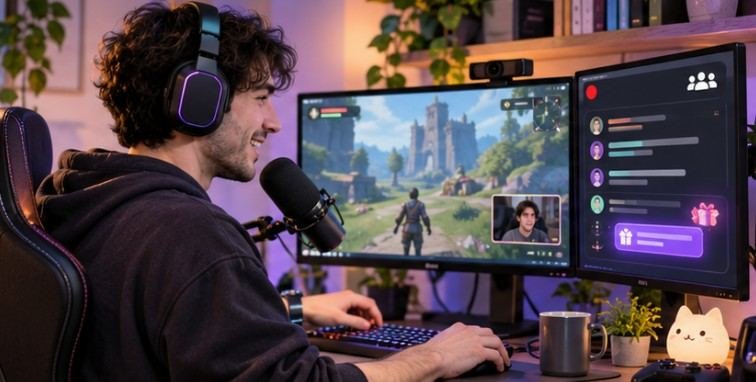
A gaming streamer with 20 regular viewers can sometimes earn more than someone attracting hundreds of occasional visitors. The difference is not always audience size. It is how effectively creators build trust and turn engagement into income.
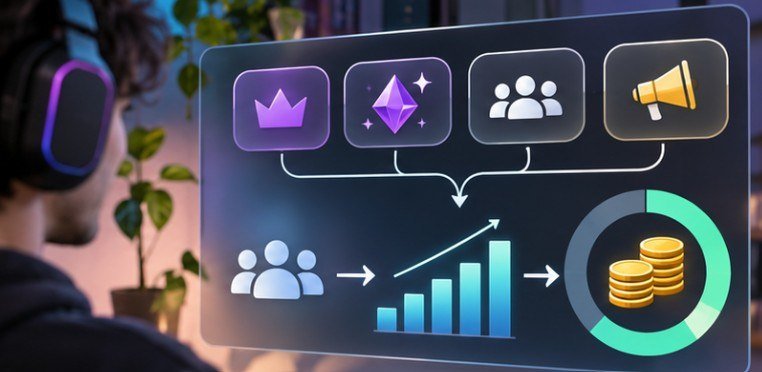
So, how do small gaming streamers earn money without thousands of followers? Most combine subscriptions, viewer tips, advertising, affiliate commissions, and occasional brand partnerships.
Streaming can generate extra income, but predictable earnings require more than playing popular games. Understanding where the money comes from helps beginners avoid unrealistic expectations and build sustainable channels.
Platform Features That Turn Gaming Streams Into Income
Twitch Subscriptions and Bits
Twitch allows eligible creators to monetize their communities through recurring subscriptions, Bits, and advertising.
In 2026, Twitch’s Affiliate requirements include 25 followers, four streaming hours, four different streaming days, and an average of three viewers on four qualifying days within a 30-day period. This is a lower entry barrier than the older 50-follower requirement.
Subscriptions generate recurring revenue, although the actual creator share depends on subscription pricing, applicable fees, and revenue-sharing arrangements.
Bits provide another option. During standard Twitch Cheers, creators receive one US cent per Bit, meaning 500 Bits generate $5 in creator revenue. For smaller channels, these personal contributions can matter more than advertising.
YouTube Memberships and Super Chats
YouTube offers several monetization options, including channel memberships, Super Chats, Super Stickers, and advertising.
Eligible US creators can access certain fan-funding features through the expanded YouTube Partner Program after reaching 500 subscribers and meeting additional upload and watch-time or Shorts-view requirements.
Full advertising revenue sharing has higher eligibility thresholds. YouTube also offers an important advantage: recorded videos can continue attracting viewers after a livestream ends.
Why Advertising Usually Pays Less
Advertisements generate revenue based on monetized views, audience geography, advertiser demand, and other factors.
A streamer broadcasting to 15 viewers cannot realistically expect the same advertising income as a creator attracting thousands.
Running too many advertisements may also frustrate regular viewers. For small channels, advertising is usually better treated as supplementary revenue rather than the main income source.
Direct Viewer Support Can Be More Valuable Than Ads
Tips and Community Contributions
Services such as Streamlabs, StreamElements, and PayPal allow creators to collect voluntary viewer contributions. A regular supporter giving $10 occasionally may provide more income than numerous small advertising impressions.
However, payment processors can charge transaction fees, and direct payments may create refund or dispute risks. Creators should never pressure viewers into contributing or make financial support a condition of belonging to the community.
Interactive Challenges and Exclusive Perks
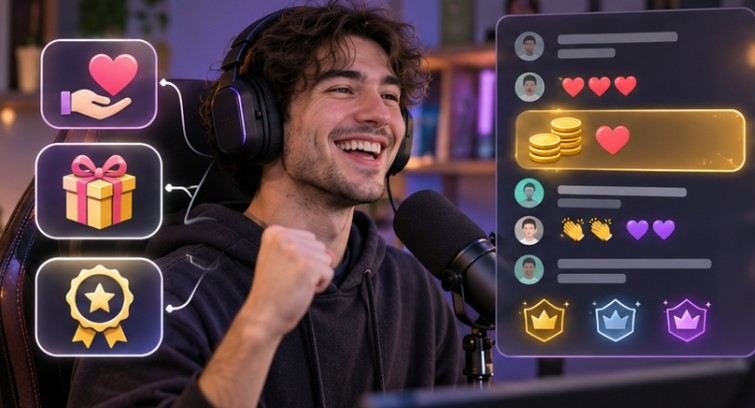
Some streamers offer optional interactive experiences, including community-selected challenges, custom alerts, and exclusive behind-the-scenes content.
Patreon memberships and tools such as Streamloots can support these activities.
The strongest perks enhance entertainment without forcing viewers to spend money. A free community should remain enjoyable even when paid extras are available.
Earning Beyond Livestreams Creates More Opportunities
Affiliate Marketing and Gaming Equipment
Gaming creators can recommend controllers, headsets, keyboards, capture cards, and other equipment they genuinely use.
Affiliate programs provide commissions when viewers purchase qualifying products through tracked links.
The Federal Trade Commission’s endorsement guidance explains why creators must clearly disclose financial relationships with brands.
Affiliate commissions are not guaranteed, and promoting irrelevant products can damage credibility.
Sponsorships for Smaller Gaming Channels
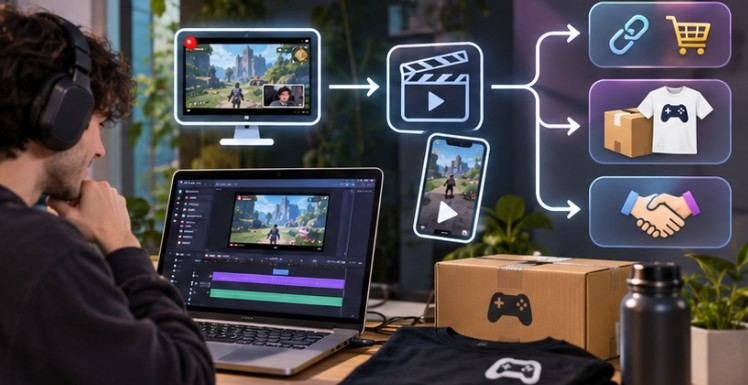
Smaller creators sometimes attract partnerships with indie game developers, accessory manufacturers, and gaming-related businesses.
Brands may value a focused community more than an enormous audience with little interest in their products. A streamer specializing in simulation games, for example, might appeal to a company selling specialized controllers.
Compensation can include fixed payments, affiliate commissions, free products, or combinations of these.
Creators should distinguish gifted products from actual earnings and avoid agreements that require misleading endorsements.
Gaming Clips, Merchandise, and Digital Content
Short-form videos on YouTube Shorts and TikTok introduce streamers to audiences who might never discover their live channels.
Tutorials, humorous highlights, game reviews, and walkthroughs can also become searchable content.
Once a community develops recognizable interests, creators can experiment with print-on-demand merchandise or paid educational resources.
These opportunities require audience demand. Producing merchandise before establishing loyal viewers often creates unnecessary expenses.
A Realistic Monthly Earnings Example
Consider a hypothetical Twitch streamer averaging 35 concurrent viewers. During one month, the creator receives $75 from subscriptions, $30 from Bits, $45 in direct tips, $20 from advertisements, and $40 in affiliate commissions.
That produces $210 in gross monthly revenue.
If software subscriptions, payment fees, and equipment-related expenses total $55, the remaining amount is $155 before taxes.
This example illustrates how several modest revenue sources can combine into meaningful side income. It is not an industry average or earnings forecast.
The Small Business Administration’s break-even guidance explains why comparing income against operating expenses is essential. Tracking net earnings reveals whether a streaming channel is actually profitable.
How Beginners Can Build Their First Sustainable Revenue Stream
Start by choosing a recognizable gaming niche rather than copying whatever successful creators are broadcasting. Focus on games that encourage conversation, repeat visits, and community participation.
Maintain a predictable streaming schedule, welcome newcomers, and publish useful clips between broadcasts. A creator balancing content production with employment may benefit from learning how to balance gaming with a full-time job.
After developing consistent engagement, activate available monetization features and test affiliate opportunities. Review monthly revenue, expenses, average viewership, and returning viewers.
Avoid buying followers or using viewbots. Artificial engagement creates misleading performance data and can violate platform rules.
Hidden Risks That Can Reduce Streaming Profits
Streaming revenue is not automatically take-home income. The Internal Revenue Service explains that net self-employment earnings of $400 or more generally trigger a federal tax filing requirement, even for part-time work.
Copyright issues can also threaten earnings. The U.S. Copyright Office explains the separate rights associated with musical compositions and sound recordings.
Creators should confirm permission before broadcasting copyrighted music, especially when retaining or republishing recordings.
The American Bar Association also highlights how copyright disputes can create serious consequences for livestreamers.
Finally, excessive streaming can affect health, consistency, and enthusiasm. Understanding how to overcome video game burnout and backlogs can help protect long-term enjoyment.
Frequently Asked Questions
1. Can gaming streamers make money with only 10 viewers?
Yes. Eligible creators can earn through subscriptions, Bits, tips, or affiliate sales. Earnings depend more on audience participation and monetization access than viewer count alone.
2. How do small gaming streamers earn without sponsorships?
They can combine viewer contributions, platform subscriptions, affiliate commissions, advertising, and monetized recorded content. Sponsorships are optional rather than essential.
3. Is Twitch or YouTube better for beginner streamers?
Twitch emphasizes live community interaction, while YouTube also supports searchable videos and recorded content. The stronger choice depends on the creator’s format and audience.
4. Do streamers need expensive equipment to start?
No. A reliable computer or console, stable internet connection, and clear microphone are usually more useful initially than premium cameras or elaborate lighting.
Turning a Small Audience Into Long-Term Income
The most important lesson for aspiring creators is that revenue follows meaningful engagement, not simply follower counts.
A small, welcoming community can support subscriptions, tips, product recommendations, and eventually carefully selected sponsorships.
I would prioritize consistent broadcasts, honest recommendations, useful recorded content, and transparent financial tracking before investing heavily in equipment.
Streaming income may remain unpredictable, particularly during the early stages. But creators who diversify their earnings and respect their audience have a better chance of building something sustainable.
A hundred casual followers may look impressive. Ten people who genuinely return can be the stronger foundation.