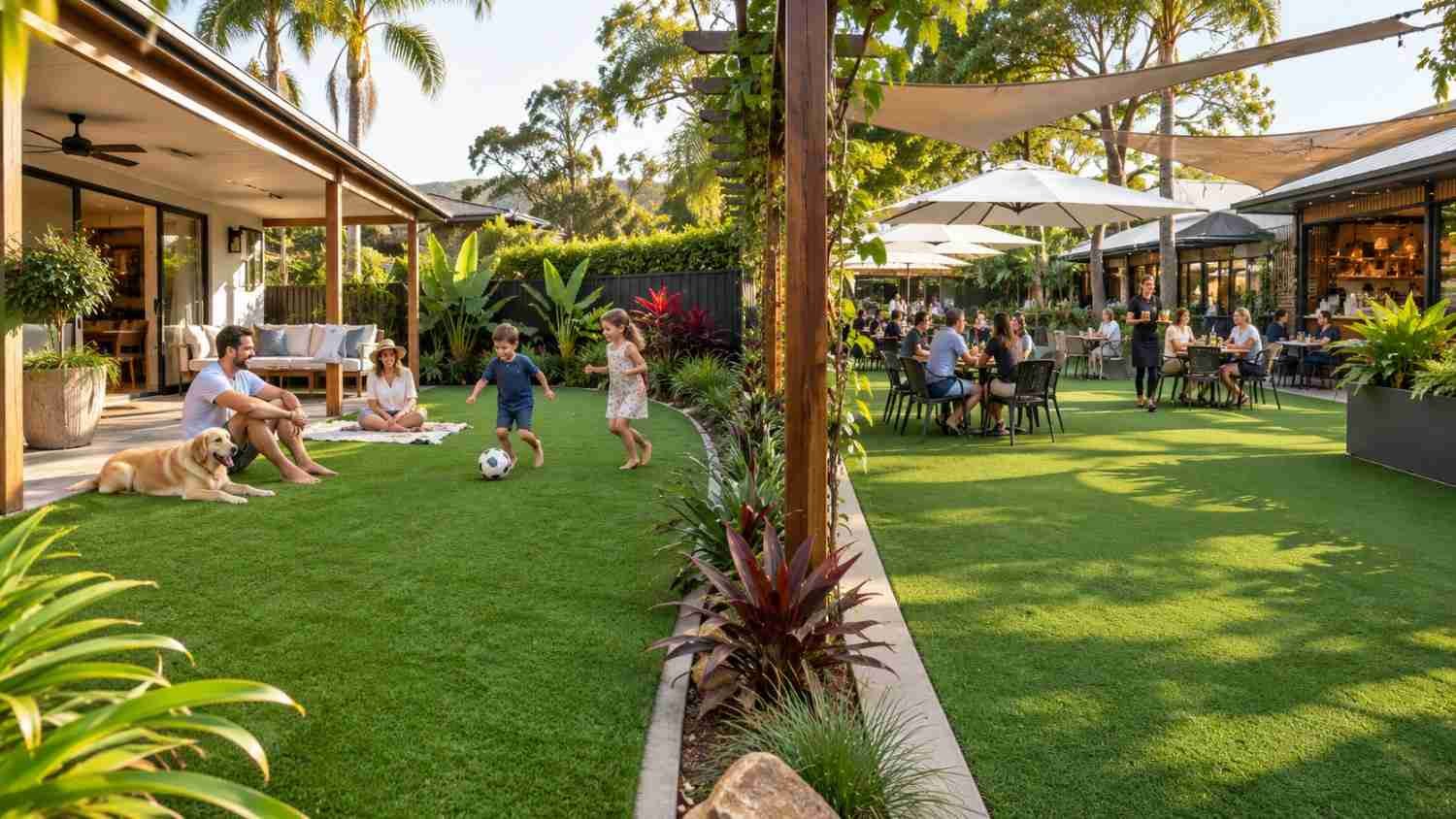
Artificial turf has become an increasingly popular alternative to natural grass in Northern New South Wales (NSW) due to its durability, low maintenance requirements, and aesthetic appeal. With a range of applications available, property owners must consider whether residential artificial turf or commercial-grade turf best suits their needs. Understanding the distinctions between these two types of artificial grass is essential for making an informed choice, especially given the unique climatic and environmental conditions in Northern NSW.
Understanding Artificial Turf Options
Artificial turf is a synthetic surface designed to resemble natural grass. While it serves the same function, the materials and construction vary depending on its intended use. The two primary categories are residential and commercial artificial turf, each offering different specifications tailored to different environments and levels of use.
Residential Artificial Turf Characteristics
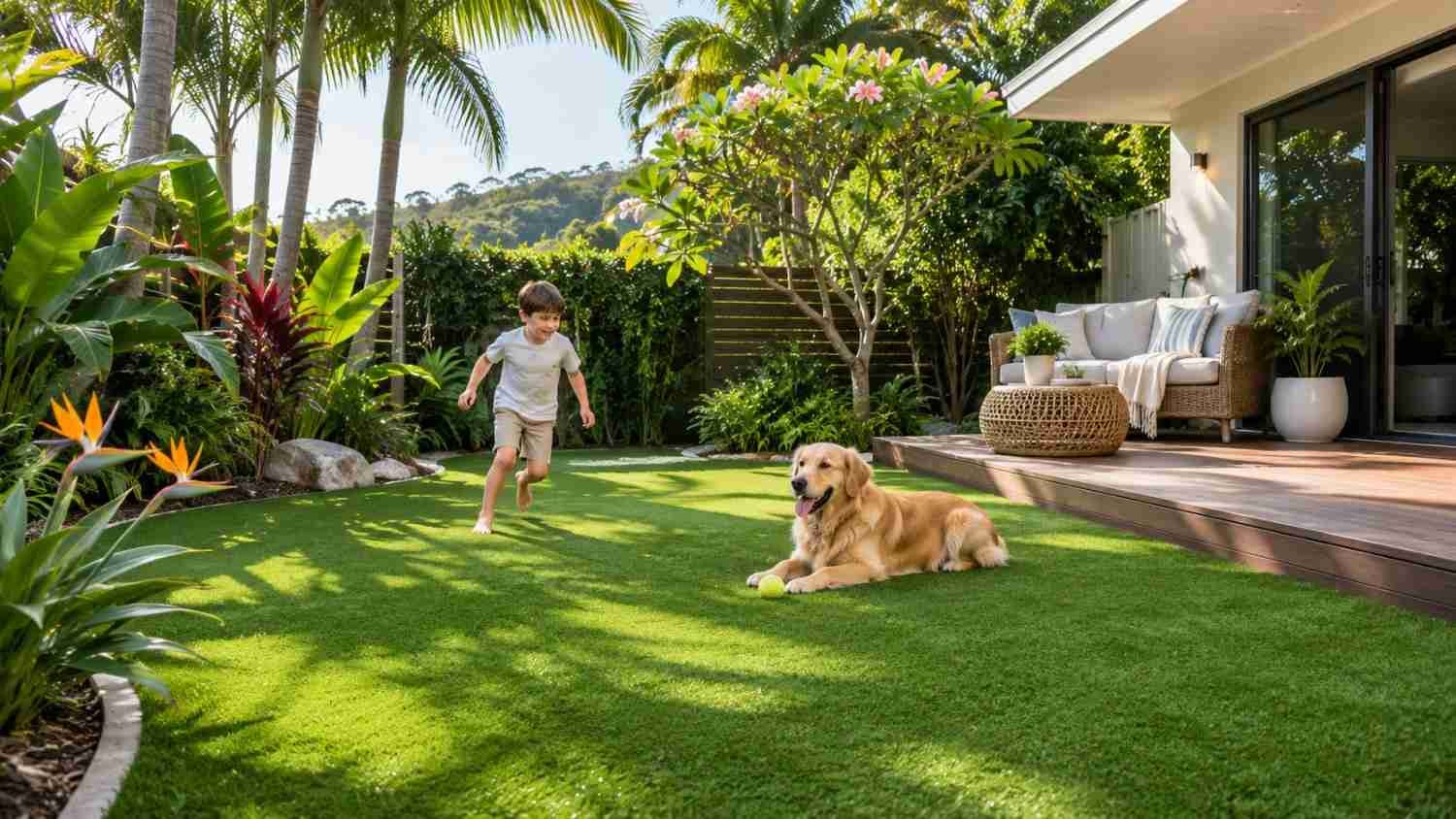
Residential artificial turf is specifically designed for private properties such as homes and gardens. This type of turf emphasises comfort and visual appeal, with fibres that are softer and more natural-looking. These qualities make it an excellent choice for families, pets, and outdoor recreational areas where aesthetic is a priority.
The pile height and density of residential turf are typically lower than commercial turf, which suits areas with moderate foot traffic. Additionally, residential turf tends to include features like UV protection and infill materials that enhance comfort and appearance without requiring the ultra-high durability needed in commercial settings.
Commercial Artificial Turf Characteristics
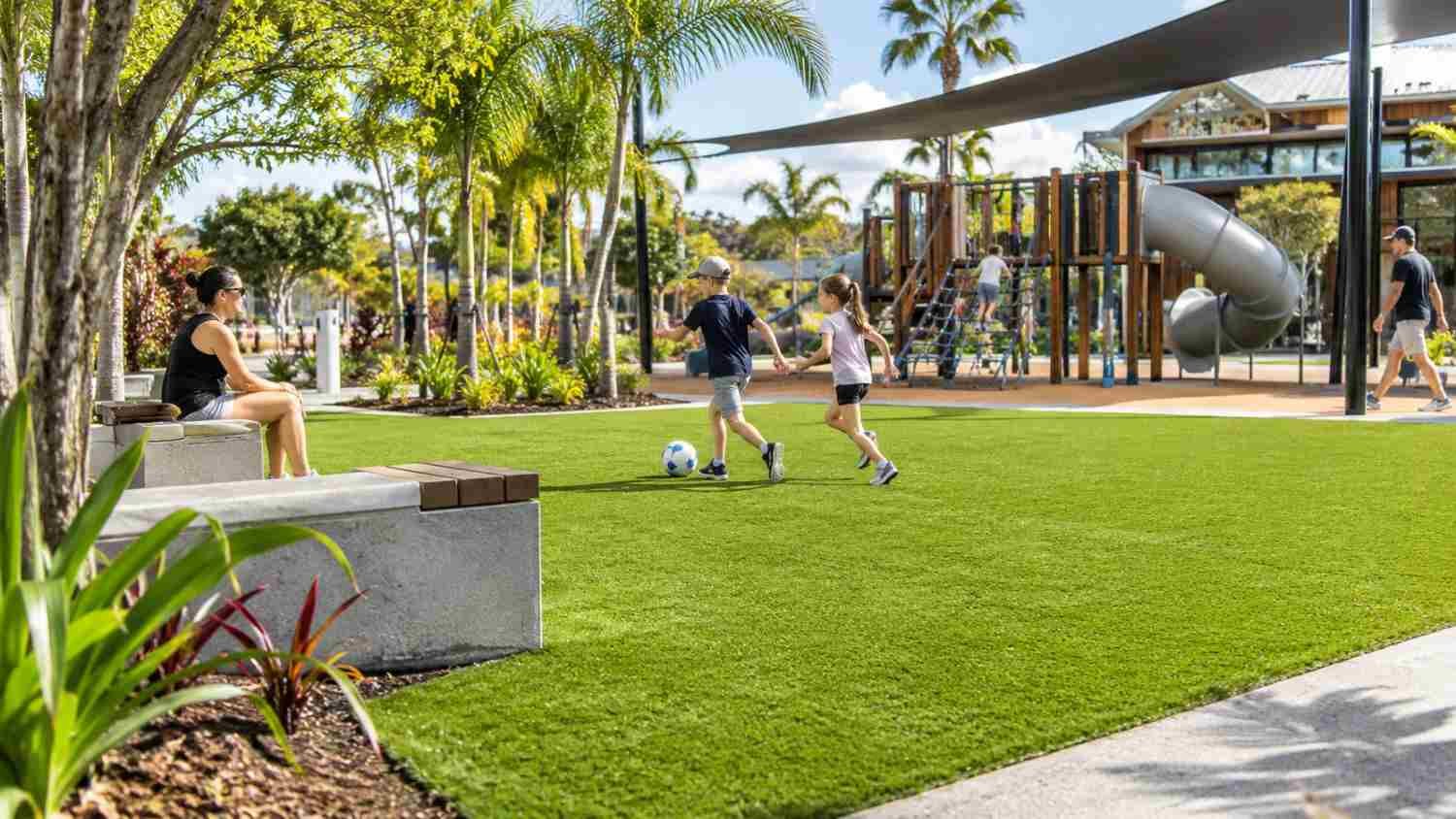
Commercial artificial turf is engineered for high-traffic and demanding environments such as sports fields, playgrounds, and commercial premises. It boasts increased fibre density, tougher materials, and stronger backing layers to withstand frequent use and heavy abrasion. This robustness ensures longevity even under harsh conditions, making it suitable for public and business spaces.
The commercial turf is often installed in areas where safety and durability are critical. For example, playgrounds require turf that can endure impact and repetitive wear, while sports facilities need surfaces offering proper traction and resilience. In addition, commercial turf may have specific certifications for safety and environmental compliance.
Climate Considerations in Northern NSW
Northern NSW experiences a subtropical climate with warm, humid summers and mild winters. These conditions impact the performance and maintenance needs of artificial turf. Both residential and commercial products must be UV-resistant to prevent degradation and colour fading due to prolonged sun exposure.
Moreover, the turf’s drainage capacity is crucial in this region, which can receive significant rainfall during certain seasons. Artificial turf systems designed for Northern NSW often incorporate robust drainage features to prevent water pooling and maintain usability after rain.
Choosing Between Residential and Commercial Turf for Northern NSW Properties
Choosing the appropriate turf type depends on the specific application and traffic levels expected on the surface. For domestic gardens, children’s play areas, and pet runs, residential artificial turf offers the ideal balance of comfort, appearance and durability.
In contrast, commercial turf is more suitable for business properties requiring a tough surface, including outdoor retail spaces, cafes, and sports grounds where high foot traffic and wear are anticipated. The increased durability and safety specifications justify the typically higher installation cost for commercial turf in these circumstances.
Installation Differences
Installation methods may also vary between residential and commercial artificial turf. Residential installations often require less extensive groundwork and can be completed more quickly due to smaller areas and lighter backing materials.
Conversely, commercial turf installation usually involves reinforced sub-base preparation and more precise laying techniques to ensure longevity under heavy use. Professional installation is recommended for commercial projects to meet safety and quality standards.
Maintenance Requirements
Maintenance demands differ according to the turf grade selected. Residential turf requires occasional brushing to keep the fibres upright, infill topping as needed, and cleaning to remove debris. The lower fibre density means less frequent upkeep compared to commercial turf.
Commercial artificial turf necessitates more regular maintenance to preserve its integrity, including frequent debris removal, infill replenishment, and sometimes anti-microbial treatments in high-use areas. The maintenance regime ensures safety and extends the turf’s lifespan despite intensive use.
Cost Considerations
While initial installation costs for commercial turf are generally higher than residential options due to its more robust design and extensive groundwork, the longer lifespan and resilience to wear may result in overall cost savings for high-traffic applications.
Residential turf presents a cost-effective solution for private homeowners aiming to improve the look and functionality of their gardens without the expense associated with commercial-grade materials. However, selecting a product with sufficient durability for the specific environment is essential to avoid premature replacement.
Aesthetic and Environmental Benefits
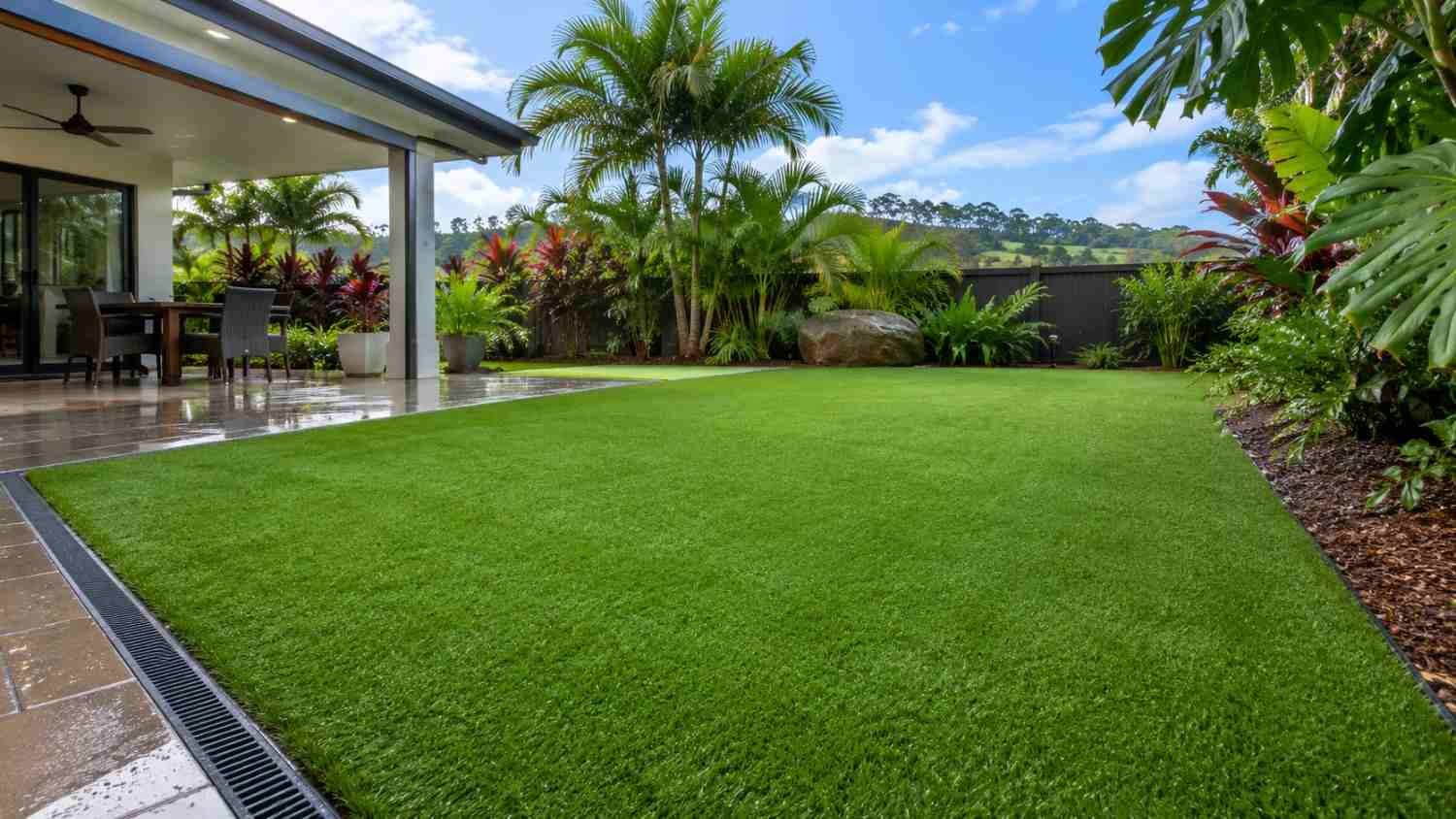
Both residential and commercial artificial turfs provide significant aesthetic benefits by offering a consistently green and lush appearance year-round, regardless of weather conditions. This is particularly advantageous in areas where water restrictions or climate make natural grass maintenance difficult.
Artificial turf also reduces the environmental impact associated with lawn upkeep, including water usage, fertilisers, and pesticides, contributing to sustainable property maintenance practices in Northern NSW.
Summary
In summary, property owners in Northern NSW should carefully assess their specific requirements when choosing between residential and commercial artificial turf. Factors such as anticipated foot traffic, installation area size, climate conditions, and budget will influence the most appropriate choice.
Residential artificial turf is well suited for private gardens and light-traffic areas, delivering a natural look and comfortable surface for families and pets. In contrast, commercial artificial turf is better suited for high-use environments demanding greater durability and safety standards.
Consulting with specialist suppliers, such as those offering a wide range of residential artificial turf products, can help ensure that the specific needs of Northern NSW properties are met with quality and performance in mind.