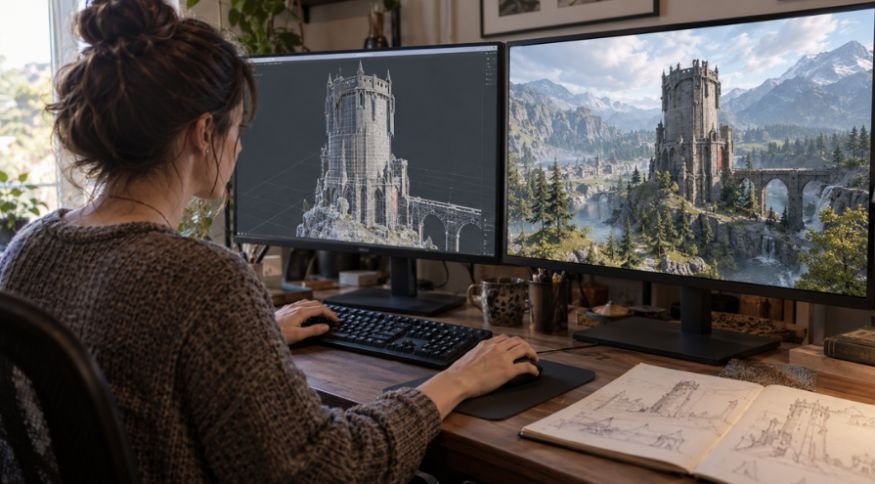
Years of manually unzipping obscure .7z archives into root directories taught me that modding used to be a badge of technical patience. You spent three hours downloading unofficial DLL patches, adjusting .ini files, and praying a game update would not wipe out your 80-hour save file. Today, that entire dynamic has changed. Modern studio development embraces modding culture integration into official game launchers, fundamentally rewriting how studios treat user-generated content, bridge cross-platform divides, and retain active player communities across PC and console ecosystems.
Recent releases confirm that native support is no longer an afterthought. When Larian Studios introduced its built-in browser through Patch 7 for Baldur’s Gate 3, hundreds of thousands of console gamers suddenly experienced custom campaigns and mechanics without touching a desktop terminal. In this new era, studios acknowledge that player-made creations dictate a game’s longevity. Integrating these pipelines directly into proprietary apps or game clients transforms community ingenuity into a frictionless, accessible, first-class feature.
The Shift From Extraction Folders to Integrated Client Storefronts

Grassroots modding built iconic franchises. Counter-Strike emerged from Half-Life, Dota grew out of Warcraft III, and DayZ started as an experimental script for ARMA 2. Yet, navigating third-party websites and forum links always alienated casual players.
[ Grassroots Era ] [ Dedicated Managers ] [ Native Client Ingestion ]
Manual archive unzipping -> Nexus Mod Manager / Vortex -> In-engine browsers & load
Direct executable hacks Third-party mod sorting order managers (one-click)
The first major evolution away from manual directory edits occurred when Valve’s Steam Workshop turned subscriptions into automated asset downloads. But relying strictly on Steam left a glaring hole: storefront fragmentation. If you bought an adventure title on the Epic Games Store or GOG, you were locked out of Steam Workshop assets. Bringing the mod manager directly inside the game’s executable or custom launcher solves this problem entirely.
From INI Tweaks to One-Click Downloads
Installing a mod on modern titles now feels identical to downloading official DLC. When you open a native menu, you are greeted by structured categories, ratings, verified compatibility tags, and dependency warnings.
This interface abstracts away complex manual steps:
- Automated dependency handling pulls prerequisite asset packs seamlessly.
- In-game load-order sorting prevents game-breaking file overwrites.
- Native patch detection isolates broken files when an official patch drops.
As games become more collaborative and customizable, they also create new opportunities for players to connect beyond traditional social platforms. The rise of social hub gaming replacing traditional social media explores how shared virtual worlds and interactive gaming spaces are becoming places for everyday social interaction.
Cracking the Console Sandboxing Barrier
For decades, console ecosystems remained closed off to user modifications. Sony and Microsoft enforce rigid platform sandboxes to prevent memory exploitation, unauthorized arbitrary code execution, and system security breaches.
Official game launchers circumvent these barriers by acting as trusted, sandboxed gatekeepers. When a creator uploads an asset to a platform like mod.io, it undergoes server-side virus scanning and automated validation before clearing certification for Xbox and PlayStation networks. As a result, console players receive verified, curated assets that will not brick their storage partitions or crash their systems.
Under the Hood: White-Label APIs vs. In-House Engines
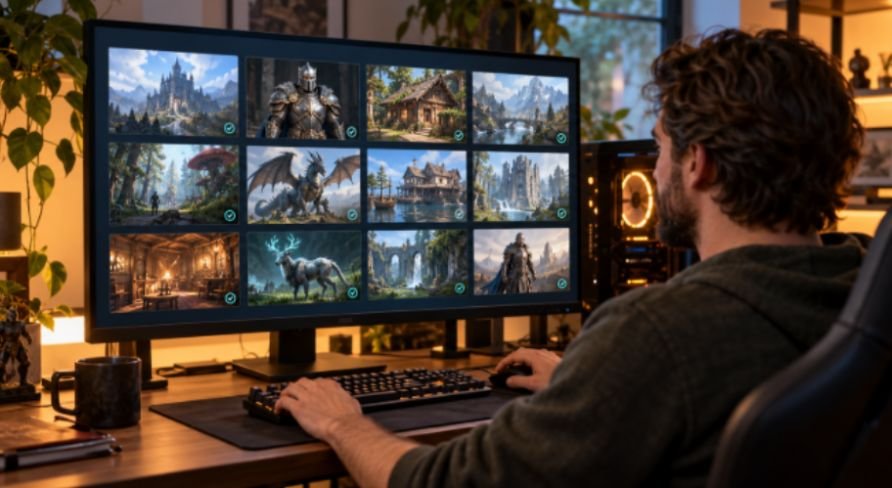
Studios choose between two primary architectures when integrating mod frameworks: outsourced middleware solutions or bespoke in-house networks. Both approaches reflect different philosophies regarding creator freedom and commercial control.
| Architecture Route | Leading Champions | Primary Advantages | Platform Constraints |
| White-Label Middleware | Larian Studios, CD Projekt Red | Fast time-to-market; automated console compliance; multi-storefront parity | Bound to third-party SDK roadmaps; limited proprietary monetization hooks |
| First-Party Walled Gardens | Bethesda Softworks, Paradox Interactive | Direct control over user accounts, telemetry, and platform-specific currencies | High server maintenance; slower certification cycles for community submissions |
The mod.io Approach: Cross-Storefront Portability
White-label providers allow studios to integrate community creation tools without rebuilding authentication engines from scratch. By integrating lightweight REST APIs, developers deliver an identical user interface across GOG, Steam, Xbox, and PlayStation.
My testing with cross-platform loadouts in Baldur’s Gate 3 highlights how effective this approach is: a save file started on a desktop gaming rig containing half a dozen interface and spell tweaks syncs effortlessly to a home console, provided both clients link to the same backend authentication profile. The game handles missing dependencies at the title screen, alerting you to inactive items before your save loads.
As cross-platform gaming becomes more accessible, handheld PCs are also giving players new ways to enjoy their favorite titles away from a traditional desktop setup. Explore the latest handheld PC gaming market growth trends to see how portable gaming systems are expanding options for PC players.
First-Party Walled Gardens: Bethesda and Paradox
Conversely, studios with decades of creator heritage prefer proprietary pipelines. Bethesda pioneered modern native systems via Bethesda Creations for The Elder Scrolls and Starfield, while Paradox Interactive deploys Paradox Mods straight through its desktop launcher.
These bespoke launchers allow publishers to bypass digital store fee structures and implement new monetization models tailored to verified community contributors. However, managing custom CDNs and manual content approvals places a significant moderation and technical burden on internal publishing teams.
As publishers explore ways to reward creators and sustain player engagement, they are also rethinking familiar revenue systems such as seasonal passes. The shift toward battle pass decline and new monetization models reflects changing expectations around player spending, digital content, and how gaming communities are monetized.
The Friction Points: Autonomy, Moderation, and File Extensions
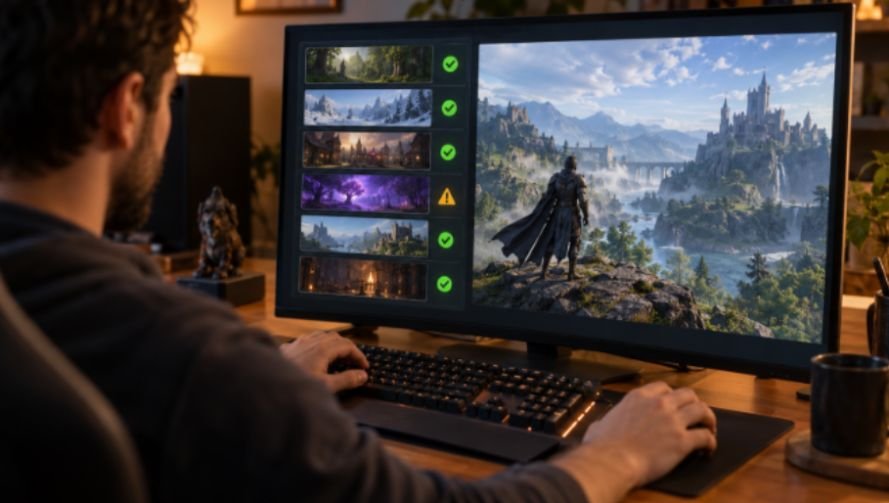
Native mod ingestion makes games accessible to millions, but corporate oversight introduces friction with traditional modding philosophy. The tension centers on what developers allow within their ecosystems.
[ Official Launcher Layer ] [ Third-Party Ecosystem ]
– Broad accessibility (Console/PC) – Advanced script extenders (SKSE, Script Extender)
– Strict EULA & copyright filtering – Unrestricted gameplay rewrites & animations
– Verified stability & sandboxing – Autonomous hosting on Nexus Mods & GitHub
Why Script Extenders Still Defy Built-in Loaders
Official integration relies on safe file wrappers—primarily .pak, .esm, or loose texture folders. The most transformative community projects, such as the Skyrim Script Extender (SKSE) or custom memory hooks, execute custom C++ code via external dynamic-link libraries (DLLs).
Consoles and corporate security layers automatically flag and reject external DLL execution. Consequently, complex total conversions and script-heavy modifications remain anchored to community-run platforms like [suspicious link removed]. Hardcore communities continue using external managers because native launchers intentionally limit memory access to maintain sandbox security.
The Battle for Monetization and Platform EULAs
When mod management moves inside an official launcher, corporate terms of service take full effect. Studios face legal liabilities regarding copyright infringements, nudity, and third-party intellectual property.
- Copyright Restraints: You cannot officially distribute a lightsaber model in a fantasy RPG through an integrated storefront without triggering a cease-and-desist from rights holders.
- Creative Curation: Experimental projects or adult themes that flourish on independent forums are systematically filtered out of native launchers.
- Revenue Splits: Official creator programs provide legitimate revenue streams for top-tier creators, but traditional enthusiasts often push back against paywalls on historically free community projects.
The Next Level: Built-in Customization as a Standard
Native launcher pipelines have transformed modding from an intimidating technical hurdle into an essential pillar of long-term game support. While the open web will always host unrestricted, boundary-pushing files, official launchers ensure that the vast majority of players can customize their favorite titles safely and effortlessly.
If you are a developer or an aspiring creator, focus your efforts where the audience is heading: study the packaging standards of official SDKs, build modular projects that respect load-order rules, and design with cross-platform compatibility in mind. The future of gaming belongs to titles that invite their communities past the title screen and directly into the engine.
Frequently Asked Questions
1. What is the biggest advantage of official launcher mod integration?
It provides frictionless one-click installations and automated load ordering without requiring external file extraction tools.
2. Can console players use every mod available on PC?
No, consoles restrict custom scripts, DLL hooks, and adult content due to strict security guidelines from platform manufacturers.
3. Do official mod launchers replace Nexus Mods?
No, independent repositories remain essential for script extenders, uncensored content, and experimental total conversions.
4. Do native game modding managers break after game updates?
Official integrations drastically reduce save corruption by warning players about missing dependencies and version mismatches before booting.