
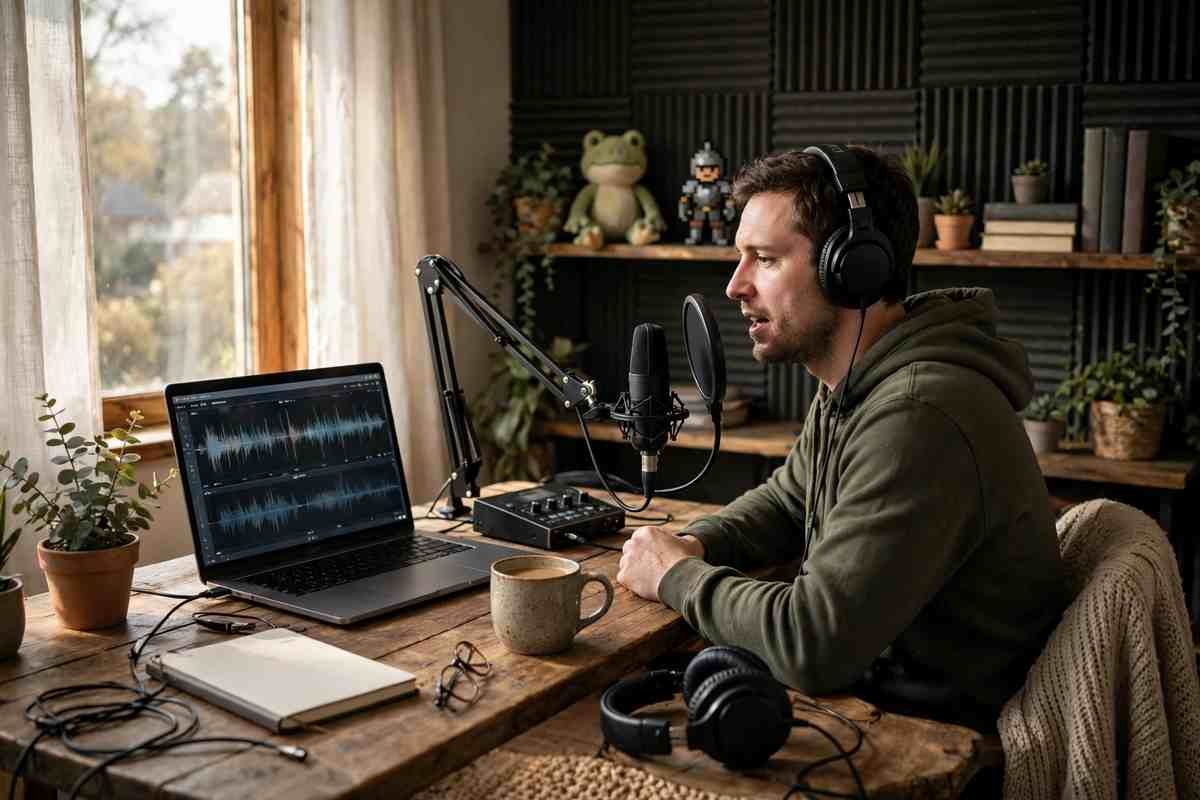
When I think about video game voice acting, I picture a lead character delivering a big speech. But a shopkeeper with six lines can raise a more interesting budgeting question. If those lines take 15 minutes to record, why might the studio still pay for two hours?
That’s what makes how do game studios decide what to pay voice actors worth asking. Studios estimate the recording time, check the applicable contract or booking minimum, and price any additional work or usage. The number of lines helps them plan the session, while the booking terms determine what they owe.
How Studios Turn a Script Into a Pay Offer

Count the Work Behind Each Line
A producer can start by making a line list for each character. The list might include dialogue, alternate takes, combat barks, and effort sounds such as grunts. That breakdown helps the studio decide whether a role can be recorded remotely with written direction or needs a live session with a director.
Two roles with the same line count can take different amounts of time. A handful of menu prompts may need only a few reads. A boss fight may call for variations at several intensities, plus breaks for the performer. If the applicable agreement limits the length of a vocally demanding session, the studio may need to spread the work across bookings.
Decide Which Roles Need More Recording Time
A lead often earns more across the project because the studio books that performer for more sessions. Branching conversations, emotional scenes, and story revisions can all create extra work.
A supporting actor may record several minor characters in one booking if the contract allows it. Studios may also negotiate a higher fee for an in-demand performer, a specialist creature voice, or an actor returning to an established role.
How Union and Non-Union Game Voice Acting Rates Work

Union Agreements Set Minimums
For a union-covered production, the studio checks which agreement and performer category apply. Minimums can depend on the length of the booking and how many voices it covers.
Eligible independent productions may have access to a budget-tiered agreement. The studio can negotiate above the applicable minimum and may need to budget separately for employer contributions, overtime, or session-based additional compensation.
Non-Union Quotes Can Be Hourly, Per Line, or Flat Fee
For non-union work, how do game studios decide what to pay voice actors when each performer quotes differently? They compare what each fee covers. An hourly rate with a booking minimum suits live direction because it accounts for time spent discussing reads and recording retakes.
A per-line fee can work for a short, self-directed role with clear delivery requirements. A flat fee can cover a defined role if the studio and actor agree on the line count, revisions, and usage upfront.
What the Actor Earns Versus What the Studio Spends
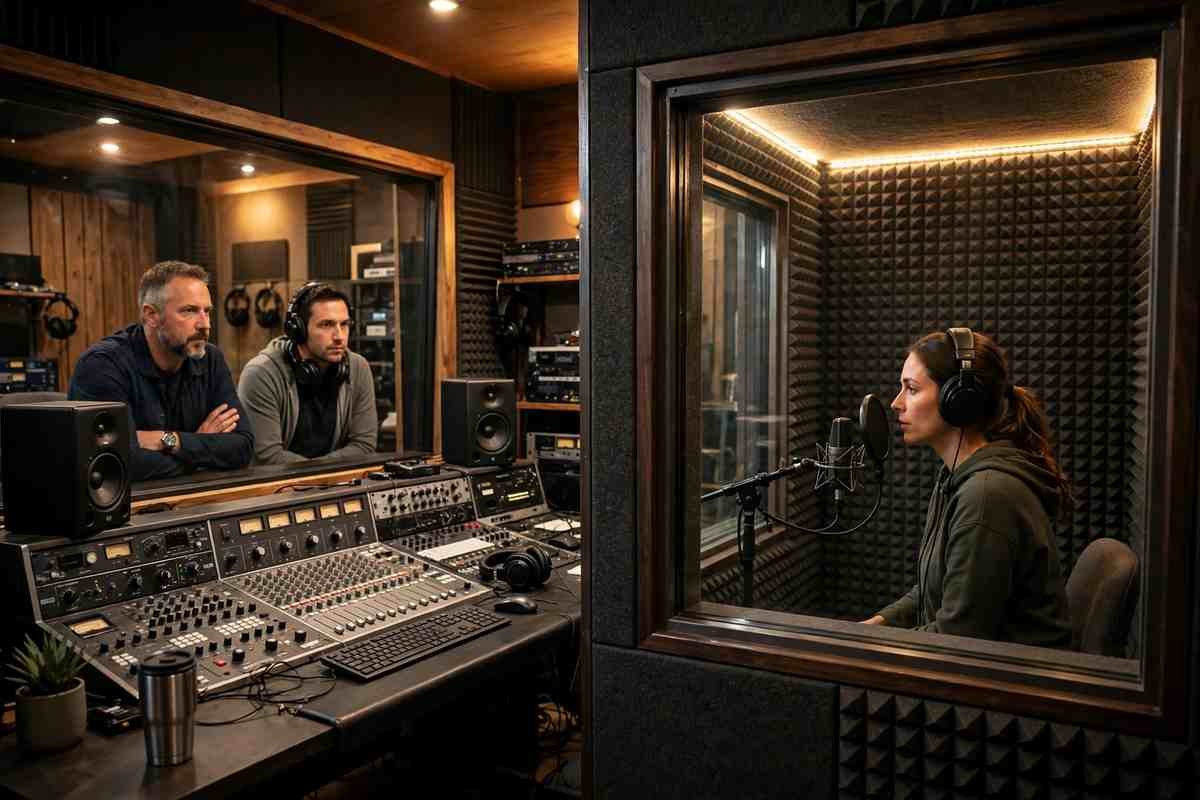
A Worked Example of a $500 Booking
Imagine an indie studio books a performer at $250 an hour with a two-hour minimum. The actor finishes recording after 45 minutes and earns $500 under the agreed terms. A month later, the studio rewrites the scene. If the actor returns under the same booking terms, the second session adds $500, bringing total performer fees to $1,000. Voice actors can also connect with fans outside the recording booth, such as by joining a livestream where video game speedrunning marathons raise money for charity.
The studio may also pay for casting, direction, engineering, editing, and getting the files into the game. If one actor quotes $500 for a directed session with raw audio and another quotes $650 with edited, individually labeled files, the producer needs to price the editing before comparing the offers. If preparing the files would cost $200, the first quote brings the comparable cost to $700.
Agree on Pickup Terms Before Recording
Pickups are new recordings that replace or add lines. A performer might agree to correct a misread under the original fee, while a studio rewrite may trigger a new booking. The deal should specify how it handles corrections, script changes, and added lines. A new session minimum can apply even when the producer only needs a few words.
How Trailers, DLC, and Voice Rights Affect Pay
The studio should define where the performance can appear. In-game dialogue, a launch trailer, a paid ad, and an expansion can involve different permissions and fees. A deal might cover existing lines in a trailer while requiring a separate booking for new dialogue in downloadable content.
Digital replicas and synthetic dialogue raise another contract question. If the studio wants to create a replica of the performer’s voice or use one to generate new lines, the terms should address consent, permitted uses, and compensation. Sales royalties are also a separate consideration. An agreement can provide extra pay based on the number of sessions, while a sales royalty depends on a deal that ties compensation to sales.
Frequently Asked Questions
1. How do game studios decide what to pay voice actors for small roles?
They check the number and difficulty of the lines, whether the actor needs live direction, and what the deliverables include. A small, self-recorded role may suit a per-line fee. A live-directed role can trigger a session minimum even if the studio only needs a short recording.
2. Do lead voice actors always earn a higher hourly rate?
A lead can earn more overall at the same hourly rate by recording more sessions. Experience, demand, specialized skills, and the need to bring back the original performer can also influence the negotiated rate.
3. Do video game voice actors get royalties?
It depends on the deal. An actor may be paid per session or per project, and some agreements provide additional payments. A sales royalty or milestone bonus depends on the terms the parties agree to.
What I’d Check Before Signing Off on a Voice Budget
When I ask how do game studios decide what to pay voice actors, I look at three things first: how many sessions the studio expects to book, what the performer will deliver, and where the recordings will be used.
I’d also check what happens when the script changes. A cheap-looking quote can get more expensive once editing and a second booking come into play. Seeing those terms together makes it easier to understand both what the performer will earn and what the studio should budget.