
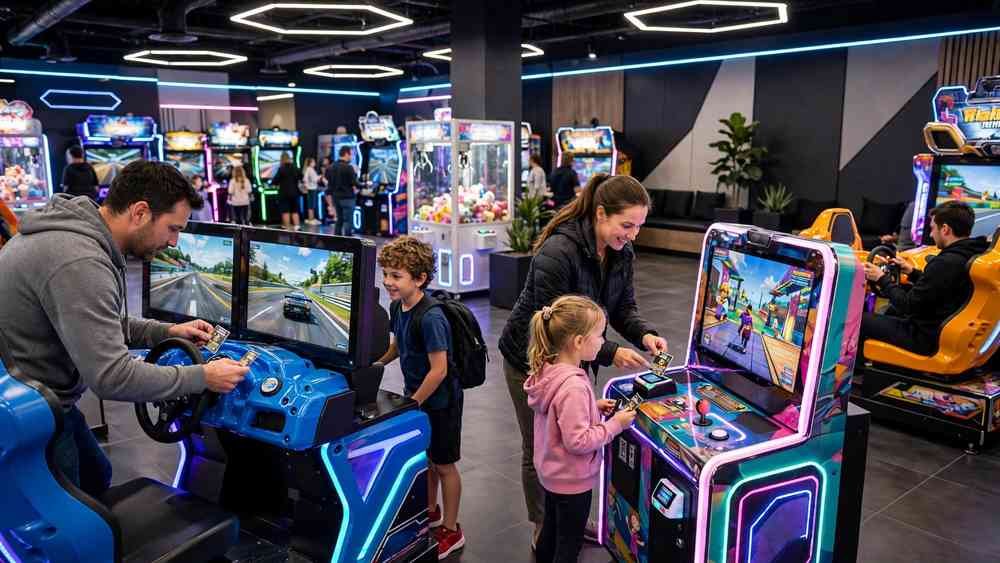
When I think of an arcade, I still picture someone feeding quarters into a cabinet for one more round. Walk into an arcade today, though, and the first purchase might be a reloadable game card, an all-day pass, or a birthday package that includes pizza. The type of venue changes what visitors pay for and where the business earns its money.
So, how do video game arcades make money today? They charge per play, sell prepaid credits, or collect admission for unlimited gameplay. Some also sell food and drinks, host parties, or split machine revenue with another venue. The easiest way to understand the business is to follow what a guest buys from the moment they walk in.
How Modern Arcades Charge for Play
Game Cards, Tokens, and Pay-per-Play Pricing
At a pay-per-play arcade, customers buy credits, tokens, or individual plays. A cashless arcade typically loads credits onto a reusable card. Players tap it at a machine, and the game deducts its listed price. A basic cabinet and a multiplayer racing simulator can carry different prices, even when they sit on the same floor.
Operators can sell credit bundles and offer bonus credits on larger reloads. Those bonuses give guests more plays for their money and change how much cash the arcade earns per credit used. A card system can also show which games get played most, helping the operator decide whether a cabinet earns enough to justify its floor space.
Admission Fees and Unlimited Play
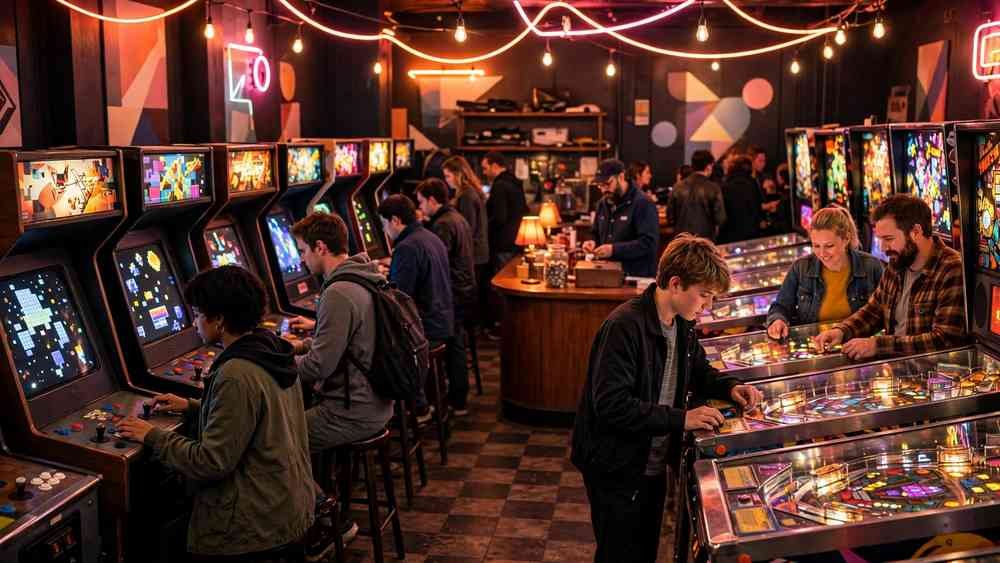
A retro arcade may charge one fee at the door and put most or all cabinets on free play. Depending on the venue, that fee might buy an hour, an evening, or an entire day. Some venues still charge separately for premium attractions or selected pinball machines.
The economics shift from individual plays to paid visits. A classic cabinet can help sell admissions even if each round brings in no additional cash. Repeat visits matter, and a busy venue still has to manage queues so guests can get time on the games they came to play.
Why Some Arcade Games Give Out Tickets
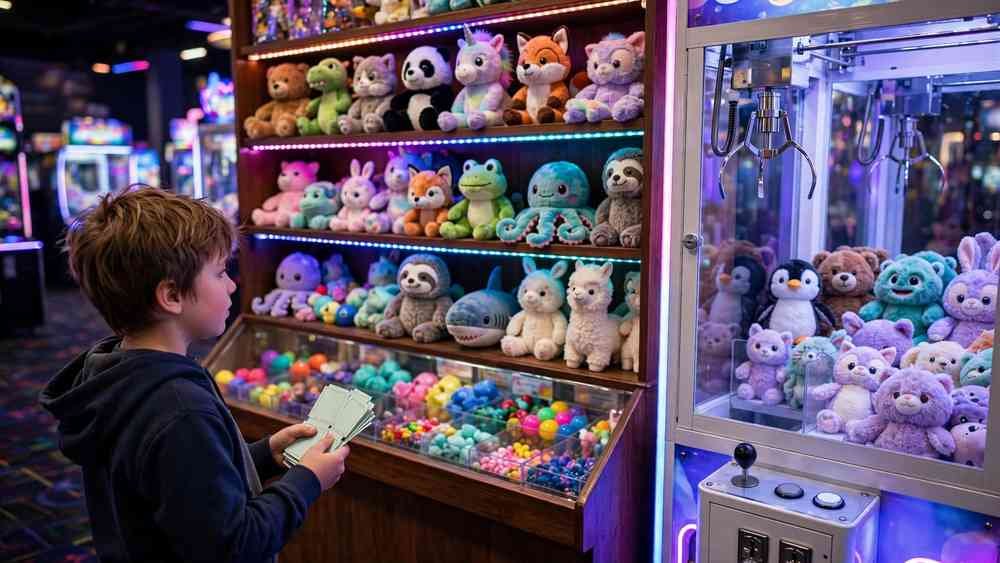
The answer to how do video game arcades make money today gets more interesting at the prize counter. A standard fighting or racing game sells the experience of playing. A redemption game charges for play and awards tickets that guests can exchange for prizes. A claw machine offers the chance to win merchandise directly.
Tickets give players a reason to try another round or save toward a larger prize. For the operator, the merchandise is a real cost. If a redemption game takes in $200 over a week and the tickets it awards represent an estimated $50 in prize costs, the game contributes $150 before maintenance and other expenses. A video cabinet that takes in less could still contribute a similar amount if it carries no prize cost.
How Food, Drinks, and Events Add Revenue
A family entertainment center can sell game credits alongside pizza, drinks, and attractions such as bowling or laser tag. An arcade bar can charge for tokens while guests order drinks and food. A retro arcade might build most of its sales around admission and add snacks or memberships for frequent visitors.
Each format gives customers a different reason to stay and spend. That same focus on repeat spending helps explain how live service games pay for ongoing updates through purchases such as season passes and cosmetic items.
Birthday parties and private bookings can bring in several purchases at once. A single package might include a reserved table, meals, and game cards for every guest. Corporate groups may pay for a private room or book the entire venue. Packages also give operators advance bookings they can staff around, especially during hours when walk-in traffic is usually light.
Who Makes Money When the Arcade Machine Is in Another Business?

A cabinet in a restaurant or cinema may belong to a route operator. That operator places machines in other businesses and typically handles servicing and repairs. The host provides floor space and access to its customers. The two parties may split what the machine collects under their agreement.
A venue that buys its own machines keeps the game sales and takes on the purchase cost, repairs, and downtime. The ownership arrangement can change how much the venue keeps from the same number of paid plays.
What an Arcade Actually Keeps After Expenses
Imagine a guest spends $30 on one visit: $18 on game credits they use that day and $12 on food. If the prizes associated with those plays cost the arcade $3 and the food ingredients cost $4, that leaves $23 after those two direct costs. The business still has to pay for staffing, rent, utilities, payment fees, and machine repairs or replacement.
That’s why operators pay attention to earnings per machine, revenue per square foot, and how long popular games are out of service. A broken cabinet can lose sales during the busiest hours while still occupying valuable floor space. A slower-earning cabinet may deserve its spot if it draws repeat visitors or gives guests something to play when the most popular machines are occupied.
Frequently Asked Questions
1. In simple terms, how do video game arcades make money today?
They sell individual plays, game credits, or admission passes. Depending on the venue, they may also earn from food, drinks, private parties, memberships, and other attractions.
2. Do arcades still use quarters?
Some classic venues and individual machines still accept coins. Others use tokens or reloadable cards. Unlimited-play arcades usually collect payment at the door and configure eligible machines so guests can start a game without paying again.
3. How do free-play arcades make money?
Many charge a flat entry fee for access to the game floor. Others include gameplay with a private booking, sell memberships, or earn additional revenue from food and drinks.
What I’d Look for on My Next Arcade Visit
When I ask how do video game arcades make money today, I look at what the venue asks me to buy first and what makes me spend again. At a retro arcade, my admission buys access to the collection. At a family entertainment center, I might reload a card, redeem tickets, and order dinner in one visit. Those purchases show how the same activity can support very different businesses.