
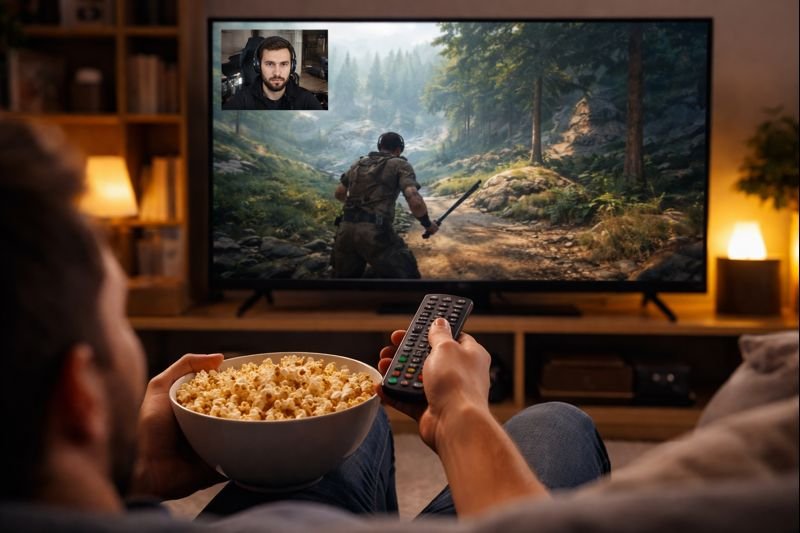
There’s a specific moment most of us recognize. It’s late evening. Dinner’s done. The day has taken more out of you than expected. Instead of starting something new, you open YouTube and click on a game you’ve already seen, maybe even finished yourself years ago. You know exactly how it ends. And yet, you let it play.
This isn’t about boredom or running out of content. In the US especially, replaying games on YouTube has become a quiet, deeply human habit. One rooted in comfort, emotional regulation, learning, and connection. The ending doesn’t matter as much as what the experience gives you in that moment.
Familiar Games Create Emotional Comfort And Stability
Rewatching gameplay works the same way rewatching a favorite TV show does. Familiarity lowers emotional effort. When life feels unpredictable, familiar games become emotional anchors.
For many viewers, especially adults balancing work, family, and constant digital noise, replaying games on YouTube provides a sense of control. You already know what’s coming. There are no surprises demanding attention. That predictability can feel grounding after a long workday or commute.
These games often tie back to earlier life phases, such as college years, high school, or the first apartment. Replaying them reconnects viewers with a version of themselves that felt simpler or more hopeful.
Watching Someone Else Experience It Feels New Again
One of the strongest reasons people replay games on YouTube is to experience the game through someone else’s eyes. Blind playthroughs are especially powerful here.
When a creator reacts to a plot twist, misses an obvious clue, or gets emotionally hit by a scene you remember well, it recreates the feeling of discovery. You’re not reliving your experience you’re borrowing theirs.
In the YouTube gaming space, creators are often storytellers first and players second. Their reactions become the main attraction. Even when viewers know the ending, the path there feels fresh because the emotional beats land differently through another person.
Parasocial Bonds Make Replays Feel Personal
A big reason people rewatch games on YouTube has less to do with the game itself and more to do with who’s playing it.
Over time, viewers form parasocial relationships with creators. They recognize their humor, values, frustrations, and habits. The game becomes shared territory, a familiar backdrop for a familiar voice.
This is why many viewers replay the full series from the same creator. It’s not about gameplay mastery or completion. It’s about companionship. For people working remotely, living alone, or decompressing at night, replaying games on YouTube fills social space without demanding interaction.
Known Endings Don’t Mean Known Details
Even when the ending is locked in, the details often aren’t.
Many viewers replay games on YouTube to:
- Notice story branches that they never explored
- See alternate dialogue choices or character builds
- Catch the environmental storytelling they missed while playing
Games are dense. When you’re playing, your brain is focused on survival, mechanics, and progress. Watching removes that pressure. You’re free to observe. This is especially true for story-driven games where pacing and details matter more the second time around.
Skill Learning Still Matters After Completion
Replay behavior isn’t always emotional. Sometimes it’s practical.
Watching highly skilled players helps viewers refine their own gameplay. This includes strategy planning, efficient builds, boss approaches, and decision-making under pressure. Even if the ending is known, the process can always improve.
In the gaming community, this shows up heavily around competitive or mechanically complex games. Viewers replay matches and walkthroughs to understand why something worked, not just that it worked.
Watching Is Easier Than Playing
Playing games requires energy. Watching them doesn’t.
After a mentally demanding day, especially in work-heavy lifestyles, many people want entertainment without effort. Games can be stressful difficult bosses, fast reactions, constant decisions. Watching removes all of that friction.
Replaying games on YouTube allows viewers to enjoy the narrative, atmosphere, and music without cognitive load. The ending being known actually helps. There’s no tension. Just flow.
Games Often Become Background Companions
Another overlooked reason people replay games on YouTube is how they’re used.
Many viewers don’t sit down and watch intently. They let familiar gameplay run while cooking, cleaning, or working. The game’s sound design and pacing become ambient comfort.
Known endings matter less when the content is serving as a background presence. Familiarity ensures nothing demands sudden attention, which is exactly why people return to the same videos again and again.
Why This Behavior Makes Sense
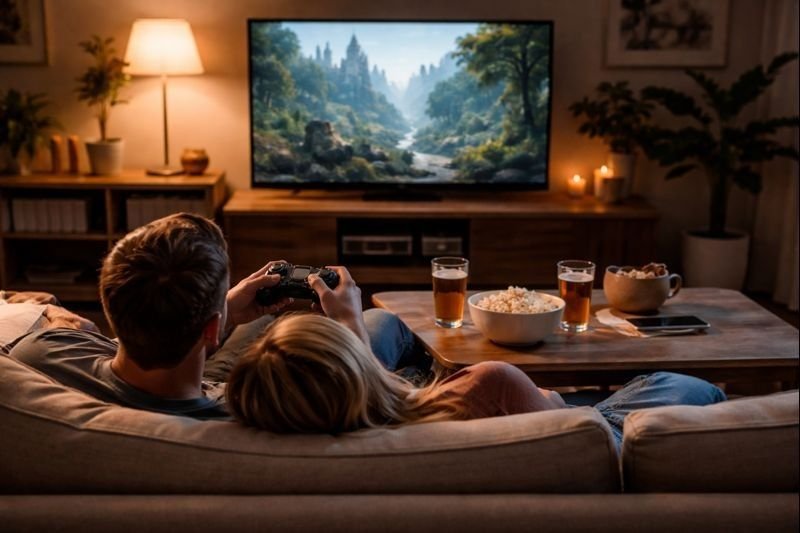
From a psychological standpoint, replaying games on YouTube fits well within established media consumption patterns. People seek media that satisfy emotional needs, learning goals, and social connections.
When all three align comfort, familiarity, and companionship, the replay behavior becomes natural rather than repetitive. Knowing the ending removes risk. What’s left is emotional return.
Frequently Asked Questions (FAQs)
1. Why Do People Replay Games On YouTube Instead Of Playing Them Again?
Because watching removes effort, viewers still get story, atmosphere, and comfort without stress, difficulty, or time commitment.
2. Is Rewatching Games On YouTube Linked To Nostalgia?
Yes. Many people replay games that connect to earlier life stages, using familiar content to regulate emotions and reconnect with positive memories.
3. Do People Rewatch Games On YouTube For The Creator Or The Game?
Often for the creator. The game becomes shared context, but personality, commentary, and emotional reactions drive repeat viewing.
4. Is Replaying Games On YouTube A Passive Habit?
Not always. While some viewers use it for relaxation, others rewatch to learn strategies, explore missed details, or deepen their understanding of the game.
Final Thoughts
Replaying games on YouTube, even when the ending is known, isn’t about repetition. It’s about reliability. Familiar games provide emotional grounding, social presence, and low-effort entertainment in a world that rarely slows down. For many people, these videos become part of their daily rhythm, something steady they can return to when everything else feels demanding.
Knowing how it ends doesn’t reduce the value. In many cases, it’s exactly why the replay works.