

Some weeks, gaming feels like a luxury. Work runs long. Family needs attention. Even weekends fill up faster than expected. I’ve been there wanting to play something, but not wanting to commit to another long campaign, grinding loop, or endless tutorial. That’s where low-commitment games quietly earn their place.
For busy players, gaming today is less about finishing everything and more about enjoying small, meaningful moments. A quick session after work. Ten minutes during a break. Something that feels satisfying without asking for your schedule in return.
Why Low Commitment Games Matter More Than Ever
Work culture nowadays has shifted. Longer screen hours. Hybrid schedules. Less mental energy at the end of the day. When free time shows up, most players don’t want pressure. They want ease.
Low-commitment games work because they respect time. You can jump in, make progress, and walk away without guilt. There’s no punishment for skipping days. No pressure to keep up.
What Actually Makes A Game “Low Commitment”

This isn’t about genre alone. It’s about design choices that support short play sessions and flexible engagement.
Low-commitment games usually share a few traits:
- Simple mechanics that are easy to remember
- Clear stopping points that don’t interrupt progress
- Minimal story dependency
- No daily grind or mandatory log-ins
These features make games easier to return to, even after days away.
Mobile Games That Fit Into Real Life
Mobile gaming dominates this space for a reason. Phones are already part of daily routines. A game that fits into those gaps feels natural, not forced.
Puzzle games, word games, and strategy-lite titles work especially well. You can play while waiting, commuting, or winding down. Progress happens in small wins, not long commitments.
What matters most is that mobile games let you stop instantly. No saving anxiety. No lost progress.
Console And PC Games That Respect Short Sessions
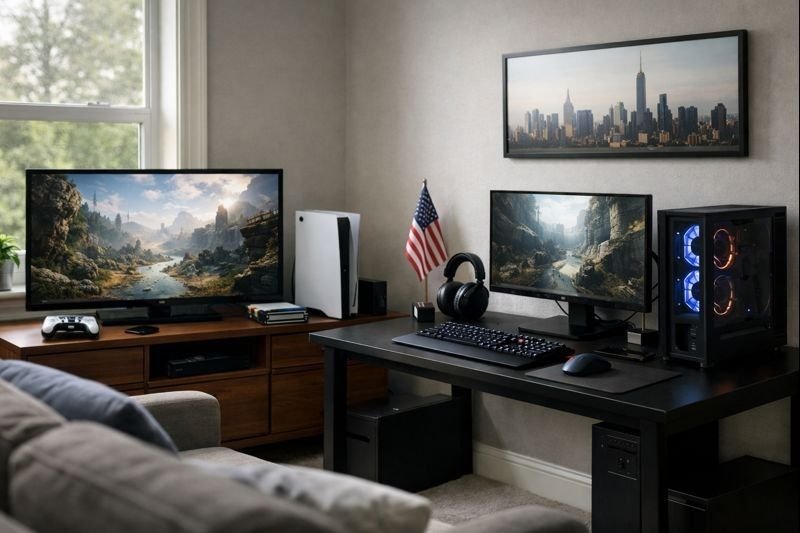
Low commitment doesn’t mean mobile-only. Plenty of PC and console games now design around shorter sessions.
Roguelikes, arcade-style games, and sandbox experiences often allow meaningful progress in under 30 minutes. Even if you fail, the experience still feels complete.
For busy players, that matters. You can play knowing you’ll walk away satisfied, not rushed.
Gaming As A Mental Reset, Not A Task
One overlooked benefit of low-commitment games is how they support mental health. After work, decision fatigue is real. Games that don’t overwhelm help players relax instead of adding another cognitive load.
These games work best when they:
- Offer calm pacing
- Avoid complex systems
- Let players set their own goals
Instead of demanding focus, they offer relief.
How Busy Players Can Build A Healthy Gaming Habit

Low-commitment gaming works best when it’s intentional. You don’t need hours. You just need boundaries.
A simple approach that works for many busy adults:
- Keep 1–2 games installed at a time
- Choose games designed for short sessions
- Play without chasing completion
This keeps gaming enjoyable instead of stressful.
Why “Always Online” Games Often Don’t Work
Many popular games are built around constant engagement. Daily challenges. Weekly resets. Live events. These systems punish absence.
For busy players, that design creates friction. Miss a few days, and motivation drops. Low-commitment games remove that pressure completely.
They allow players to return on their own terms.
The Quiet Shift In How Adults Game
Adult gamers are changing how they engage. Fewer marathon sessions. More intentional play. More focus on enjoyment than achievement.
Low-commitment games align perfectly with that shift. They don’t demand loyalty. They offer moments.
That’s why they’re aging better than many traditional titles.
Frequently Asked Questions (FAQs)
1. Are Low Commitment Games Only Casual Or Puzzle Games?
Not at all. Many roguelikes, simulation games, and arcade-style titles offer low-commitment experiences while still feeling deep and rewarding.
2. How Much Time Do Low Commitment Games Usually Require?
Most are designed for sessions between 5 and 30 minutes, making them ideal for breaks, evenings, or quick downtime.
3. Can Console Gamers Benefit From Low-Commitment Games?
Yes. Many console and PC games now support short sessions with autosaves, modular progression, and flexible pacing.
4. Are Low Commitment Games Suitable For Adults With No Gaming Background?
Absolutely. These games often have simple mechanics and low learning curves, making them accessible even for newer players.
Final Thoughts
Low-commitment games aren’t about lowering standards. They’re about redefining what gaming fits into modern life. For busy players balancing work, responsibilities, and personal time, these games offer freedom. They let you enjoy play without sacrificing rest, focus, or balance.
Gaming doesn’t have to be all-consuming to be meaningful. Sometimes, a few relaxed minutes are more than enough.