
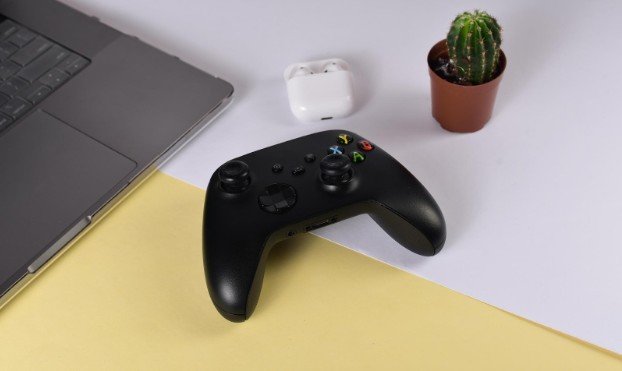
If you’ve been keeping an eye on gaming lately, you’ve probably noticed how quickly the console landscape is changing. Between powerful home systems, portable hybrids, VR headsets, and handheld gaming PCs, the definition of a “console” has expanded dramatically. I’ve spent time researching current hardware, following industry moves, and tracking how players actually discover and use these platforms.
Today, I break down what are the latest video game consoles available today, how Meta’s technology and platforms influence gaming hardware and discovery, and how evolving gameplay strategies continue to shape how we play.
How Meta Is Reshaping Gaming Hardware Through VR

Meta has become one of the most influential players in modern gaming hardware, particularly through virtual reality. Its Quest line of VR headsets significantly lowered the barrier to entry for immersive gaming by removing the need for expensive PCs or consoles.
When the Quest 2 launched, it made high-quality VR accessible to millions of casual gamers across the United States. That accessibility alone shifted how developers thought about immersive game design and player reach.
Meta also pushed social gaming forward with Horizon Worlds, a platform where users don’t just play games but attend events, build environments, and socialize using unified Meta hubs. This marked a shift from giving problem gaming sessions to shared virtual spaces.
That said, Meta’s recent decisions to shut down VR studios and cut funding for certain games created skepticism across the industry. Many developers now question the company’s long-term commitment to gaming, even as its hardware footprint remains significant.
The Latest Home Consoles Dominating US Living Rooms

When people ask what are the latest video game consoles, they’re often thinking about home systems first. Right now, PlayStation 5 and Xbox Series X and Series S continue to define this space in the U.S.
The PlayStation 5 remains the go-to choice for gamers who prioritize cinematic exclusives, fast load times, and high-end visuals. The slimmer PS5 refresh made it easier to fit into modern entertainment setups without sacrificing performance.
Xbox approaches the market differently. While the Series X delivers top-tier power, the Series S targets affordability and digital-first gaming. From my experience, Xbox’s biggest advantage is its ecosystem. Game Pass has fundamentally changed how players access games, making subscriptions as important as hardware.
Why Nintendo Still Competes With Modern Consoles
Nintendo’s Switch lineup continues to thrive in the U.S., even years after its original launch. With standard, Lite and Organic Lite Emitting Diodes (OLED versions) available, Nintendo offers flexibility that other platforms don’t.
I’ve seen the Switch remain popular because it adapts to different lifestyles. It works equally well docked at home or used on the go. For families, casual players, and fans of Nintendo exclusives, it still feels modern and relevant.
Nintendo’s success proves that cutting-edge graphics aren’t the only factor driving console demand.
Handheld Gaming PCs and the Expanding Definition of Consoles

Handheld gaming PCs now sit firmly within the conversation about what are the latest video game consoles. These devices blur the line between traditional consoles and PC gaming, offering portability alongside access to massive digital libraries.
In the U.S., they’ve gained popularity among players who want flexibility, mod support, and access to cloud gaming services. This category represents one of the biggest shifts in how gamers define hardware ownership.
How “The Meta” Shapes Competitive Gaming Strategy
Beyond hardware, the concept of “the meta” plays a huge role in how games are played. In competitive gaming, the meta refers to the most effective tactics available at any given moment.
I’ve watched this evolve constantly in esports titles like multiplayer shooters and strategy games. Players discover dominant strategies, others develop counters, and developers respond with balance patches to prevent stagnation.
Professional players who master the meta often influence game updates themselves, forcing developers to adjust characters or mechanics. This cycle keeps competitive gaming fresh but demands constant adaptation.
Game Discovery Through Meta’s Social Platforms
Meta’s influence goes beyond hardware and gameplay. Its platforms—Facebook, Instagram, and WhatsApp now play a major role in how gamers discover new titles.
Research consistently shows that a massive share of casual gamers in the U.S. find new games through social feeds, short-form video, and influencer content. Meta’s AI-driven advertising tools, such as Advantage+, allow developers to reach highly targeted audiences based on behavior and genre interest.
This has reshaped marketing strategies across the gaming industry, making social discovery just as important as traditional reviews.
The Shift Toward the Metaverse and Persistent Gaming Worlds
The push toward metaverse-style experiences is changing how games function. Instead of isolated sessions, players now spend time in persistent virtual environments.
Digital economies are becoming more common, with in-game assets like skins and collectibles gaining real-world value. User-generated content platforms such as Roblox and Fortnite empower players to build, monetize, and distribute their own experiences.
From my perspective, this shift has turned gaming into a blend of entertainment, creation, and social interaction.
Frequently Asked Questions (FAQs)
1. What is considered the newest console in the US?
Current-generation consoles include PlayStation 5, Xbox Series X and Series S, Nintendo Switch models, VR headsets, and modern handheld gaming PCs.
2. Are VR headsets considered gaming consoles?
Yes. Standalone VR systems function as consoles by offering self-contained gaming ecosystems without external hardware.
3. How important are subscriptions for modern consoles?
Subscriptions now play a major role, offering access to large libraries and lowering the cost of entry for gamers.
4. Will consoles be replaced by cloud gaming?
Cloud gaming is growing, but hardware remains essential for performance, ownership, and offline play.
Final Thoughts
After spending time comparing today’s hardware, one thing is clear to me: there’s no single “best” console, only the one that fits your gaming style. Whether you care about cinematic exclusives, portability, value-driven subscriptions, or immersive VR experiences, today’s console ecosystem offers more choice than ever before.
What excites me most is how gaming continues to evolve beyond just hardware. Social discovery, evolving gameplay strategies, and flexible ecosystems now matter just as much as specs.