
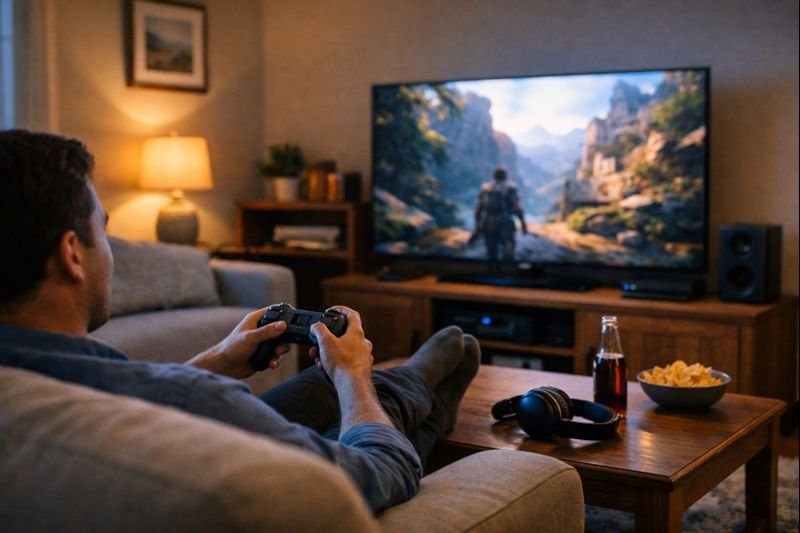
By the time the workday ends, most of us are not just tired. We’re mentally crowded. Emails linger. Slack pings echo. Even after logging off, the brain keeps replaying tasks, conversations, and unfinished thoughts. That’s where gaming has quietly stepped in for a lot of workers, not as entertainment first, but as relief.
For many people, gaming after work is less about winning and more about switching off in a way that actually works. Compared to passive habits like scrolling or background television, games ask for just enough attention to pull the mind out of work mode. And that difference matters more than it seems.
Why Post-Work Relaxation Feels Harder Than It Used To
Work has changed. Remote jobs blur boundaries. Shift workers juggle unpredictable schedules. Freelancers carry a constant cognitive load. Even traditional nine-to-five roles often spill into evenings through notifications and expectations of availability.
When relaxation doesn’t fully disconnect the mind from work, stress carries over into the night. That’s why many people feel “rested” but not refreshed. Gaming fills this gap by doing something simple but powerful. It replaces work-related thoughts with focused engagement.
How Gaming Creates Real Mental Detachment After Work
One reason gaming works so well is psychological detachment. Games are immersive by design. They demand attention, decision-making, and presence. That cognitive involvement leaves little room for replaying work stress.
Unlike watching television, where the mind can wander back to unfinished tasks, gaming occupies the same mental channels that work uses, but without the pressure. The brain doesn’t multitask. It commits. That commitment is what allows true mental unplugging.
Gaming As Active Recovery, Not Passive Escape
Relaxation doesn’t always mean doing nothing. In fact, many people recover better when they feel capable again. Games offer achievable challenges, feedback, and progress. You solve a puzzle. You complete a mission. You level up.
This sense of mastery matters after a draining workday, especially for jobs where effort doesn’t always feel rewarded. Gaming restores a feeling of competence. That small sense of accomplishment can translate into more energy and confidence the next morning.
Controlled Stress That Feels Safe And Optional
Not all stress is harmful. Games offer what psychologists call controlled or “good” stress. The player chooses the difficulty. If the day was exhausting, the game can be gentle. If the mind needs stimulation, the challenge can increase.
This sense of control is key. Work stress is often imposed. Game stress is voluntary. That distinction allows the brain to engage without feeling threatened, making the experience restorative instead of draining.
Social Connection Without The Effort Of Real-World Planning
After work, many people crave connection but lack energy. Multiplayer and cooperative games fill that space. They allow interaction without small talk, scheduling, or emotional labor.
For remote workers and night-shift employees especially, gaming becomes a low-pressure way to feel connected. Shared goals, teamwork, and light conversation provide camaraderie without the exhaustion that social commitments sometimes bring.
Why Gaming Feels Better Than Watching TV After Work
Television is easy, but it’s passive. Gaming is interactive. That difference explains why gaming often leaves people feeling calmer and more satisfied afterward.
Here’s how the experiences differ in practice:
- Gaming requires focus, which reduces mental rumination
- Games provide feedback and progress, unlike passive viewing
- Players control pacing, difficulty, and engagement
- Gaming creates emotional involvement instead of background distraction
For many workers, this active engagement leads to deeper relaxation than simply zoning out.
Different Game Types Serve Different Post-Work Needs
Not all games relax in the same way. People naturally gravitate toward what their nervous system needs after work.
- Casual games help when mental energy is low
- Open-world games support escapism and autonomy
- Cooperative games reduce stress through shared goals
The key isn’t the genre itself, but how it matches the player’s emotional state at the end of the day.
Gaming And Mood Regulation After Work
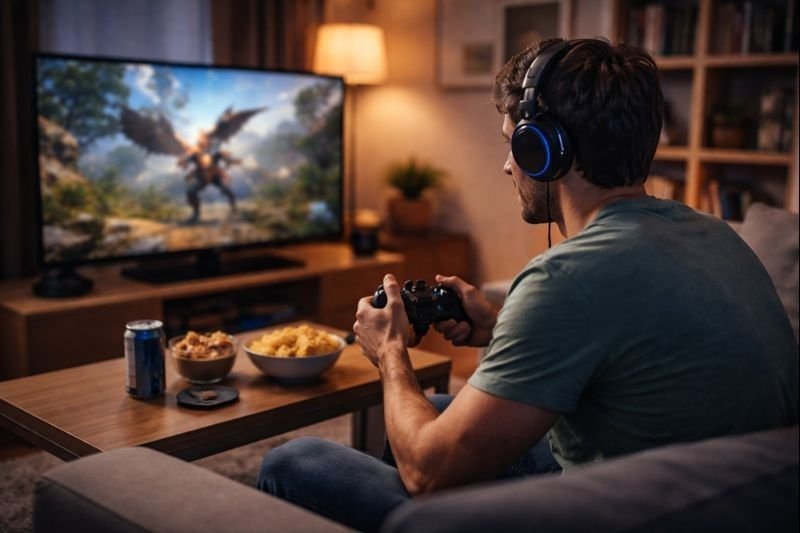
Gaming also triggers short-term mood improvements. Dopamine release during gameplay supports motivation and pleasure. This doesn’t mean addiction or overstimulation. In moderation, it explains why people feel lighter and calmer after a short gaming session.
That immediate emotional shift is often enough to break the stress cycle and make evenings feel more restorative.
When Gaming Stops Being Relaxing
It’s worth acknowledging balance. Gaming helps when it’s intentional and time-aware. Excessive play, competitive frustration, or sleep disruption can reverse the benefits.
The people who benefit most from gaming as a relaxation activity tend to treat it like a decompression tool, not an escape from responsibility.
Frequently Asked Questions (FAQs)
1. Is Gaming Better Than Meditation For Stress Relief After Work?
Gaming and meditation work differently. Gaming actively occupies attention, which helps people who struggle to quiet their thoughts. Meditation works better for those comfortable with stillness.
2. How Long Should You Game After Work To Relax?
Most people benefit from short sessions, often 30 to 60 minutes. The goal is mental reset, not prolonged stimulation.
3. Can Gaming Help With Work Burnout?
Gaming can support recovery by restoring energy and mood, but it doesn’t replace addressing workload or workplace stressors.
4. Are Multiplayer Games Too Stressful After Work?
Competitive modes can be stressful. Cooperative or casual multiplayer experiences tend to be more relaxing and socially supportive.
Final Thoughts
The rise of gaming as a post-work relaxation habit isn’t about trends or escapism. It reflects a deeper need for activities that genuinely help the brain transition out of work mode. Gaming offers focus, control, accomplishment, and connection, all things modern work often drains. For many U.S. workers, that combination simply works better than passive downtime.
Used intentionally, gaming becomes less about screens and more about recovery. It gives people a way to end the day feeling mentally lighter and emotionally reset.