

There are days when even opening a game feels like work. You just want to play. No pop-ups, control diagrams, and “press X to continue” screens that refuse to end. This feeling is more common than people admit, especially for players juggling long workdays, family time, and screens that already demand constant attention.
Over time, many of us start valuing games that respect our instincts. Games that trust us to figure things out by doing, not by reading. These experiences don’t make you feel behind or inexperienced. They meet you where you are and let play unfold naturally, which is exactly why they feel so satisfying.
Why Some Games Work Without Tutorials
Games that skip tutorials usually rely on intuitive design. They use visual cues, familiar mechanics, and immediate feedback to guide you. Instead of stopping to explain rules, they let consequences teach you. Miss a jump. Try again. Pick something up. See what happens.
For many casual gamers, this approach feels refreshing. It mirrors how we learned playground games as kids. Nobody explained everything upfront. We just jumped in and adjusted as we went.
Digital Video Games That Teach Through Play
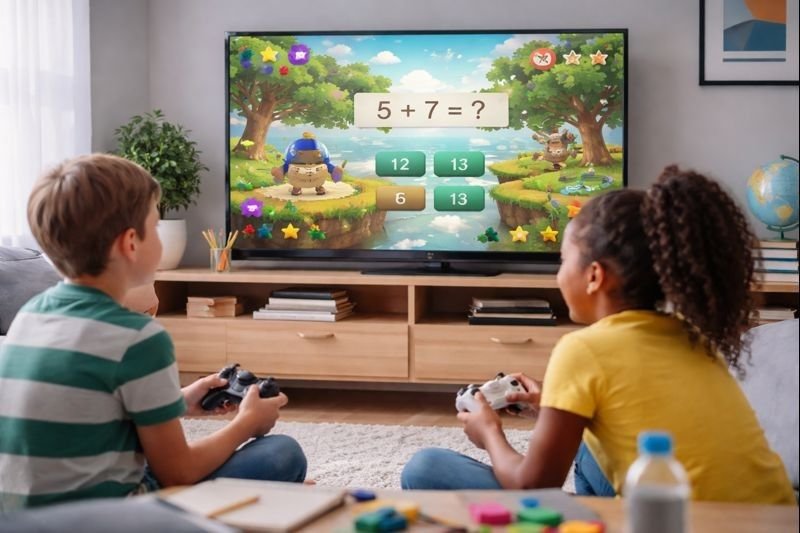
Some digital games are built around discovery. They trust players to understand the world by interacting with it, not by reading instructions.
Journey is a perfect example. There is no dialogue. No text. You move through a desert guided only by visuals and sound. You learn what matters by noticing how the world responds to you. It feels more like wandering through a story than playing a traditional game.
Minecraft in Creative Mode offers a similar freedom. There are no threats pushing you forward. You place blocks, experiment, and build at your own pace. Many players use it as a digital sandbox to unwind, not to master mechanics.
Classic Super Mario Bros. games also belong here. Running and jumping are instantly understandable. The first level quietly teaches everything you need without saying a word. Decades later, that design still holds up.
Unpacking removes pressure entirely. You unpack boxes and place items where they feel right. There are no instructions beyond the space itself. The game trusts your intuition, and that trust is what makes it relaxing.
Katamari Damacy might look strange at first, but its core idea is simple. Roll into smaller objects and grow bigger. You understand the goal within seconds, and the joy comes from seeing how far that simplicity can stretch.
Physical And Party Games Everyone Already Knows

Not all games live on screens. In-person games often feel effortless because their rules are already baked into shared culture, especially in households and classrooms.
Classic board games like Jenga or Uno rarely need explanation. You pull a block. You match a color or a number. The tension and fun come from the situation, not the rules.
Non-material games work the same way. Charades, I Spy, and Hide and Seek rely on instincts people already have. You can start playing within seconds, which makes them perfect for family gatherings or casual hangouts.
Word Association stands out because it barely has rules at all. You say the first word that comes to mind. There’s no score pressure, no winning strategy, just momentum and laughter.
Mobile And Casual Games Made For Instant Play

Mobile games are often designed for short sessions, which makes them ideal when you don’t want to learn anything new.
Crossy Road is a great example. Tap to move. Swipe to change direction. You understand everything almost immediately. That simplicity is why it became a staple on US smartphones.
Tetris remains timeless for the same reason. You rotate shapes and clear lines. There’s nothing to read and nothing to memorize. The challenge grows naturally as you play.
Good Pizza, Great Pizza uses visuals instead of text to guide you. Customers point. You make pizza. Over time, you get better without ever feeling like you studied the game.
What These Games Have In Common
These games work because they remove friction. They don’t assume you want to commit time to learning systems. They respect your curiosity and reward experimentation.
You’ll notice a pattern:
- Clear visual feedback instead of text explanations
- Familiar actions like moving, matching, or placing objects
- Freedom to fail without punishment
That combination makes them perfect for players who want relaxation, not mastery.
When And Why These Games Fit Real Life So Well
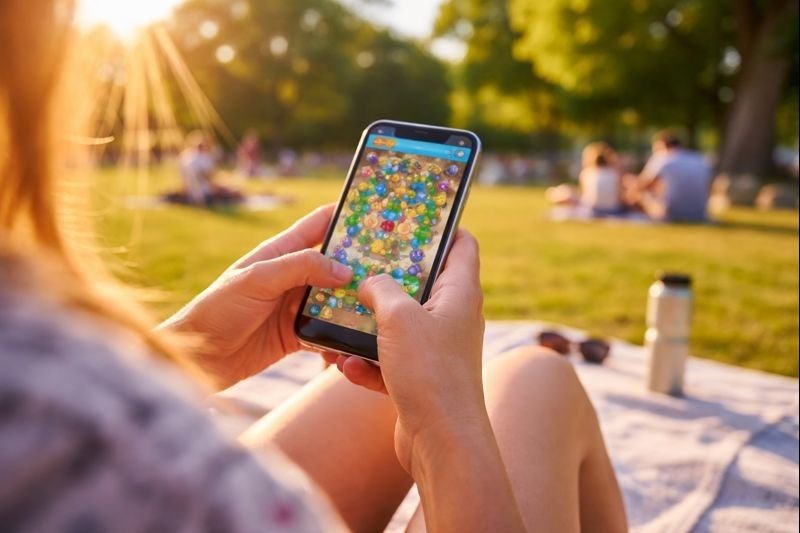
One reason games you can enjoy without learning have become so popular in the US is timing. Most people are not sitting down for long, uninterrupted gaming sessions anymore. Play happens between meetings, after dinner, or while waiting for something else to finish. In those moments, patience for tutorials is low.
For adults, especially, gaming often becomes a form of decompression rather than a challenge. After spending the day learning new tools, processes, or systems at work, the last thing many players want is another learning curve. These games remove that mental load. You start playing immediately and let your mind settle into the experience.
They also work well socially. At family gatherings or casual get-togethers, games with no learning curve are easier to share. You can hand someone a controller or phone without explaining anything. Within seconds, they understand what to do. That accessibility is why many of these games thrive across generations, from kids to grandparents.
Another overlooked benefit is confidence. Games that rely on intuition rather than instruction make players feel capable right away. You are not reminded of what you do not know. You are rewarded for experimenting. That feeling keeps people coming back, not to master the game, but to enjoy the moment it creates.
Frequently Asked Questions (FAQs)
1. Are These Games Good For People Who Do Not Usually Play Games?
Yes. Many of these games are popular with adults who do not identify as gamers at all because they rely on common sense rather than gaming experience.
2. Do Games Without Tutorials Still Have Depth?
They can. Simplicity at the start does not mean shallow gameplay. Many of these games reveal depth naturally over time.
3. Are These Games Suitable For Kids And Families?
Most of them are. Titles like Minecraft Creative Mode and Crossy Road are especially common in households because they are easy to understand and age-friendly.
4. Can These Games Help Reduce Screen Fatigue?
They often do. Because they avoid heavy reading and complex systems, they feel lighter and less mentally demanding.
Final Thoughts
Games you can enjoy without learning succeed because they respect your time and attention. They don’t ask you to prepare before having fun. They let you discover joy through movement, curiosity, and small moments of success. In a culture where everything demands onboarding, that simplicity feels almost radical.
Sometimes, the best games are the ones that simply let you play.