
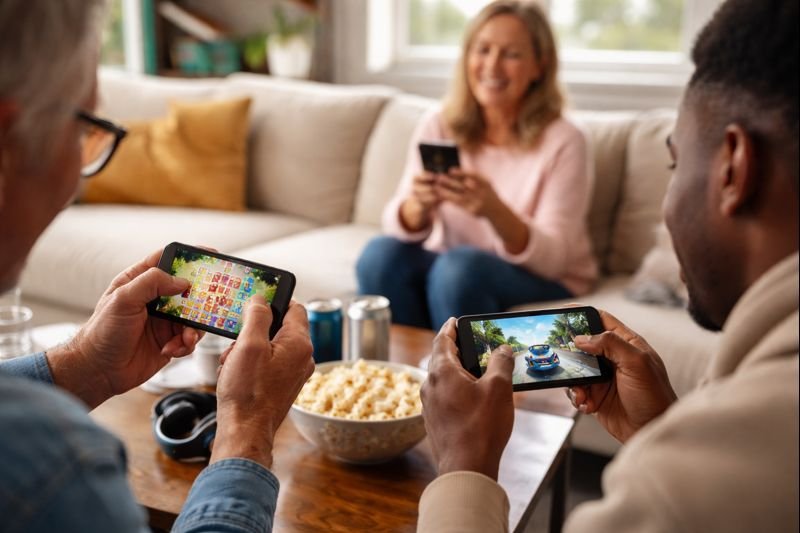
The future of casual gaming feels less like a niche hobby and more like a cultural rhythm woven into everyday life. In 2026, casual play isn’t reserved for a specific “gamer type.” It’s the way millions of Americans unwind on a lunch break, connect with family on the couch, or bridge quiet moments between errands.
I can see this everywhere, from my neighbor pairing up with his 8-year-old on a tablet puzzle to older relatives diving into strategy-lite games on smart TVs during holidays. What’s shifted isn’t just the quantity of play but who’s playing and how they fit it into their routines.
Casual gaming trends show there’s no single profile: players span generations, genders, and lifestyles. Far from the old “hardcore vs. casual” divide, people today choose games that fit their pace and mood. That shift is shaping mobile casual games, the US gaming industry growth, and the very way developers think about game design.
Casual Gaming As A Daily Rhythm
Casual gaming has become a universal pastime that doesn’t require deep expertise or long-term commitments. In 2026, the industry is projected to reach $22.68 billion in the US, driven by broad appeal and accessible experiences. For many Americans, gaming isn’t just entertainment; it’s social, relaxing, and even part of how they connect with others.
The age and skill barriers that once defined gaming have largely dissolved. While the 18–35 age group remains a key contributor to revenue, the 50+ crowd is now the highest-spending segment per user, often averaging over $20 monthly. This shift highlights how accessible design and mobile dominance have expanded casual gaming’s reach. Games that were once passed off as “time killers” are now mainstream entertainment woven into everyday life.
Gender inclusivity has also matured. Nearly half of the players base is female, and many prefer the quick, intuitive design of casual titles. This isn’t just anecdotal; it’s a pattern reflected in how games are marketed and enjoyed across shared spaces in homes and public places.
Hardware-Agnostic Access And The “Omniscreen” Future
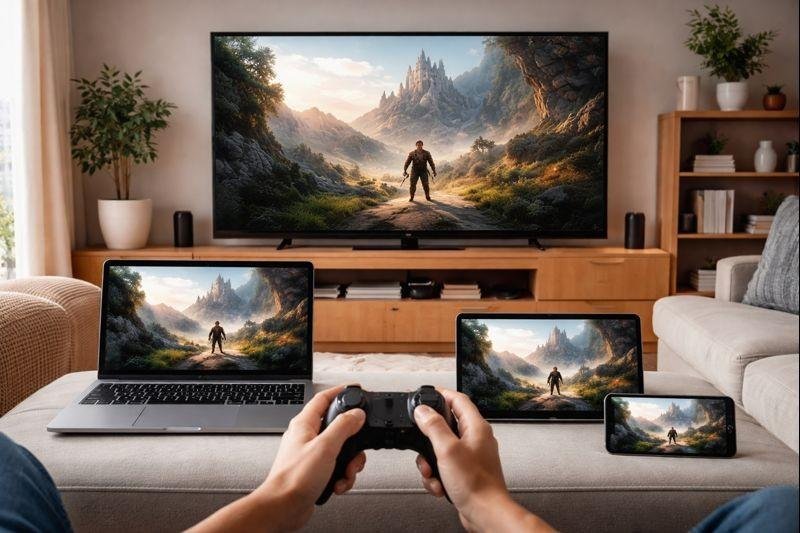
One of the most significant drivers of casual gaming trends is how technology has evolved access. Smartphones, tablets, smart TVs, and cloud platforms together create what many call an omniscreen future. Here’s what that means in practice:
- Play Anywhere, Anytime: Cloud gaming now lets players start a session on their phone during a commute, then continue on a tablet or TV at home without installation hassles.
- Low Barrier To Entry: High-quality casual games that used to demand powerful devices can now run smoothly on everyday hardware. Cloud infrastructure and streaming delivery make this possible.
Another big tech influence is AI-personalized difficulty. Instead of fixed “easy” or “hard” modes, modern casual games adapt in real time to a player’s behavior and comfort level. This smart balancing keeps engagement high without frustration, making games feel friendly for both novices and seasoned players. It’s a subtle shift, but it’s central to why casual titles now appeal to such a broad demographic.
Blurring Lines: Hybrid-Casual Experiences
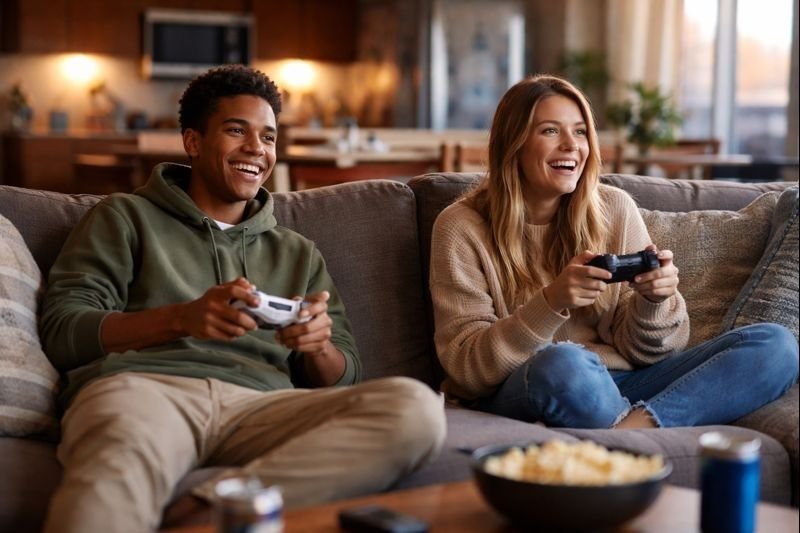
Casual games are no longer defined by simplicity alone. A new wave of hybrid-casual games blends instant playability with deeper progression systems. These experiences borrow narrative elements, upgrades, and community features once reserved for more complex genres, but deliver them in bite-sized, accessible formats.
Games in this hybrid space might include:
- Short puzzle challenges that unlock new story content
- Simple gameplay loops with layered progression systems
- Social connection points where players collaborate or compete in real time
This evolution reflects broader changes in playstyle preferences. Players enjoy light, stress-free moments, but they also appreciate a sense of growth and achievement. Hybrid-casual titles meet both needs.
User-Generated Content (UGC) is also exploding, with platforms that let players create, share, and even profit from their own in-game worlds and ideas. In 2025, UGC payouts were projected to exceed $1.5 billion, signaling that the future of casual gaming includes creators as much as players. Casual doesn’t mean simple anymore; it means accessible creation and shared expression.
Monetization That Respects The Player
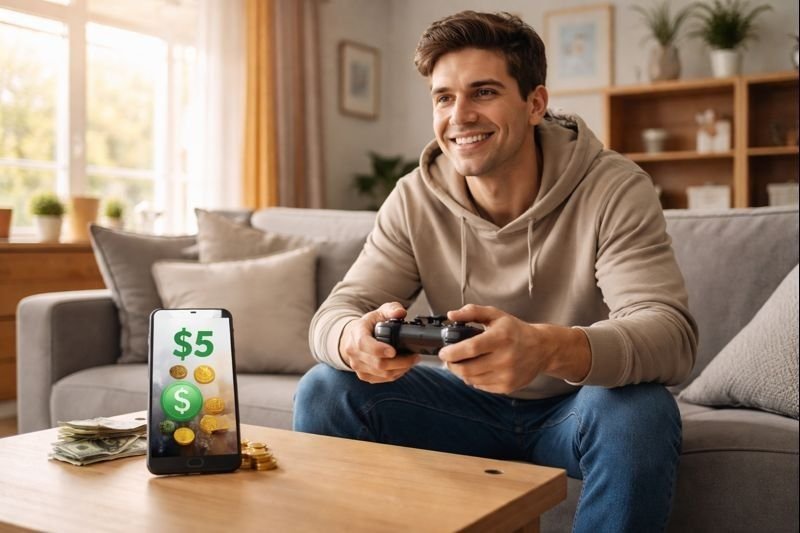
With wider audiences come higher expectations for fairness and transparency. Many players now reject intrusive monetization models like aggressive loot boxes or “pay-to-win” hooks. Instead, developers are embracing hybrid monetization strategies that balance free access with optional, transparent upgrades.
Typical features of modern casual monetization include:
- Free tiers with optional cosmetic purchases
- Battle passes that reward ongoing engagement
- Gamified advertising where branded content feels natural, not disruptive
This model respects player time and choice. Instead of forcing purchases, it invites investment through value and fun. This shift matters when casual gaming’s audience includes children playing with parents, adults on commuting breaks, and older gamers enjoying relaxed evenings.
What’s Next In Casual Play
Looking forward, the future of casual gaming will continue to be shaped by players, not labels. Tech advances, demographic shifts, and cultural integration make casual gaming a ubiquitous part of modern life. Whether someone is five, fifty, or seventy, casual games are designed for joy, connection, and personal expression free from outdated skill or age barriers.
As experiences grow more personalized and socially rich, casual titles will likely become even more central to American digital culture. This isn’t a temporary moment; it’s a lasting transformation in how we play, connect, and unwind.
Frequently Asked Questions (FAQs)
1. What Defines Casual Gaming In Today’s Market?
Casual gaming refers to games that are easy to start, don’t demand long sessions, and appeal to a wide audience regardless of skill, age, or previous gaming experience. This includes mobile titles, short online games, and hybrid experiences that blend simplicity with depth.
2. How Has Mobile Gaming Influenced The Casual Gaming Trend?
Mobile platforms dominate casual gaming because they are ubiquitous, accessible, and intuitive. Smartphones and tablets support the play anywhere ethos, driving growth and making games part of everyday life from commutes to coffee breaks.
3. Are Older Adults Really A Big Part Of The Gaming Audience?
Yes, adults 50+ have become a significant segment in casual gaming, often spending more per user than younger cohorts. This trend shows how accessible design and non-intimidating experiences are engaging broader demographics.
4. What Are Hybrid-Casual Games?
Hybrid-casual games blend instant playability with deeper progression elements like upgrades, storylines, or social features. They maintain the accessible feel of casual games while offering longer-term engagement hooks that appeal to a diverse player base.
Final Thoughts
Casual gaming has moved beyond old labels tied to age, skill, or commitment. What matters now is how easily games fit into everyday life, short breaks, shared moments at home, or quiet time to unwind. That flexibility is what continues to drive its growth.
As access improves and design becomes more inclusive, casual games stand on their own as meaningful experiences. The future isn’t about defining who a gamer is, but about making play feel natural and accessible for everyone.