
Short breaks are supposed to help. In real life, they don’t always work that way. Most of us step away from work or daily tasks, hoping for a quick mental reset. A few minutes to breathe. Maybe a small distraction before getting back on track.
But too often, that short break turns into something heavier. Scrolling goes on longer than planned, attention scatters, and returning to the task feels harder than before.
That’s why the type of fun digital entertainment for short breaks matters more than we think. When chosen well, it helps you reset without pulling you into a distraction spiral. When chosen poorly, it quietly drains focus instead of restoring it.
Why Short Breaks Often Feel Worse Than Working
The issue isn’t screens. It’s stimulation without boundaries. Many popular platforms are designed to keep you engaged for as long as possible. There’s no clear stopping point, no natural pause, and no signal that it’s time to step away. During a busy workday or a packed home routine, that lack of structure works against you.
Relaxing breaks feel different. They slow your thinking. They reduce decision-making. And they make it easy to stop when your break ends.
What Makes Digital Entertainment Feel Relaxing
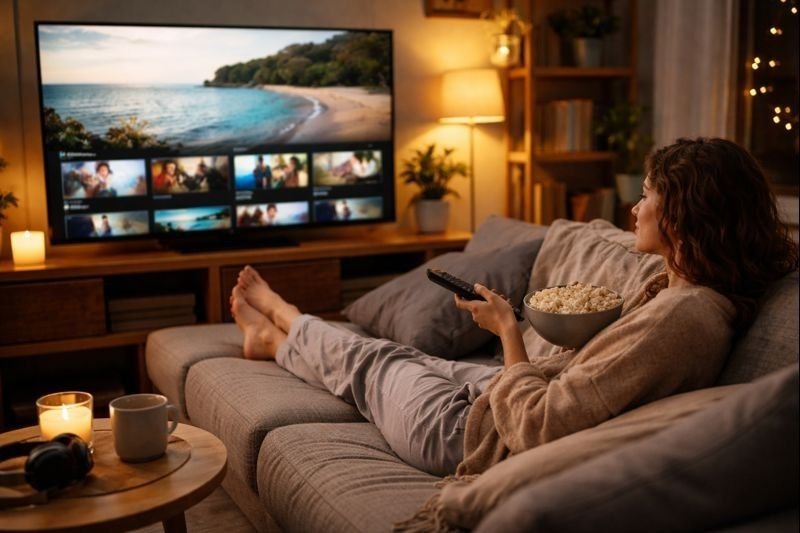
Relaxing digital entertainment doesn’t demand much from you. It doesn’t ask you to react, compare, or keep up. Instead, it offers gentle interaction or quiet observation. Something that occupies your attention just enough to give your mind a break, without pulling it in multiple directions at once. This is why low-pressure experiences work so well for short breaks.
They give your brain space, not noise.
Micro-Games That Reset The Mind Gently
Not all games are overstimulating. Some are built specifically for calm, short interactions.
These micro-games usually have simple rules and no real pressure to “win.” You can engage for a minute or two, then stop without feeling pulled back in.
- Virtual bubble wrap games mimic physical stress relief in a digital format.
- Idle games with slow, repetitive motion create a soothing rhythm.
- Color-based puzzles focus attention without speeding it up.
- Extremely low-stakes simulations, like mowing lawns or watching characters cook, feel oddly grounding.
These kinds of games work well during short breaks at work or between tasks at home because they don’t hijack your focus.
Ambient Websites That Feel Like Stepping Away
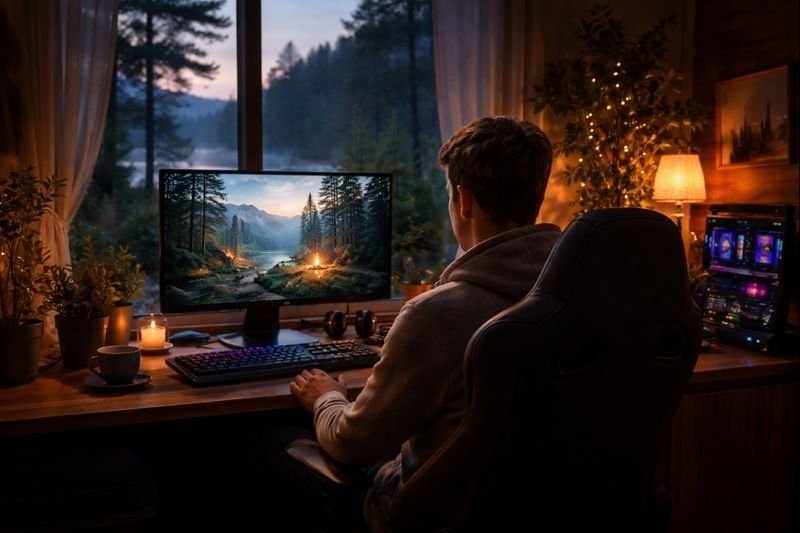
Sometimes, the most relaxing breaks are passive ones.
Aesthetic and ambient websites give that feeling of stepping away without leaving your desk. Watching views from another part of the world. Listening to rain or soft wind. Exploring visuals at your own pace without goals or outcomes.
This kind of digital entertainment creates mental distance from whatever you were doing before. That distance is what allows your attention to reset naturally.
Using Short Digital Breaks In Everyday Life
These breaks aren’t limited to office settings. They fit easily into everyday work routines. A pause between meetings while working remotely. Sitting in a parking lot before an errand. Waiting for dinner to finish cooking. Even winding down after chores without committing to a full show or episode.
When breaks are short and intentional, they support your day instead of interrupting it.
Digital Creativity Without Pressure Or Performance

Creative breaks work best when they feel optional. Digital coloring, simple drawing tools, and playful sketch-based games engage your brain gently. There’s no score to chase and no level to beat. You interact, enjoy the moment, and move on.
Short mindfulness tools fit here, too. Brief breathing exercises. One-minute visual meditations. Even lighthearted stress-release audio designed for workplace tension can help you reset without effort.
How To Keep Breaks From Turning Into Distractions
Most distraction spirals start before the break begins.
- Choose tools with a clear ending
- Avoid platforms built around infinite scrolling
- Decide how long your break will be before starting
- Treat the break as recovery, not escape
When you approach short breaks this way, digital entertainment becomes something supportive instead of draining.
Frequently Asked Questions (FAQs)
1. How Long Should A Short Digital Break Be?
For most people, three to ten minutes works best. Longer breaks often shift from recovery to avoidance.
2. Are Digital Breaks Better Than Screen-Free Breaks?
They serve different needs. Digital breaks work well when they are calm and intentional, while screen-free breaks help more with eye strain.
3. Can Relaxing Digital Breaks Reduce Mental Fatigue?
Yes. Low-stimulation content helps the brain slow down, which makes it easier to refocus afterward.
4. Do These Breaks Work For Both Office And Remote Jobs?
They do. In fact, remote workers often benefit more because they lack natural transitions between tasks.
Final Thoughts
Short breaks don’t need to compete with your focus. They should protect it. When fun digital entertainment for short breaks is chosen thoughtfully, it creates a pause that actually feels restorative.
You step away without losing momentum, and returning to your task feels lighter instead of harder. The goal isn’t to disconnect from your day completely. It’s to come back to it feeling steady and clear.