

I finally hit my breaking point on a Sunday midnight, staring bleary-eyed at tier 84 of a ticking digital ledger. I had paid ten dollars for the privilege of turning my favorite multiplayer shooter into an unpaid evening shift, grinding out daily challenges I despised just to claim a digital skin before it vanished into the digital ether.
That frustration illustrates the rapid battle pass decline reshaping modern gaming. Gamers everywhere are walking away from the aggressive, time-boxed reward loops that transformed play into an exhausting metric of clock-in compliance.
┌─────────────────────────────────────────────────────────────┐
│ THE LIVE-SERVICE CYCLE │
│ │
│ Loot Boxes (Predatory RNG) │
│ │ │
│ ▼ │
│ Battle Passes (Linear Determinism + Weaponized FOMO) │
│ │ │
│ ▼ │
│ Hybrid Monetization (Non-Expiring Passes + Subscriptions) │
└─────────────────────────────────────────────────────────────┘
The Breaking Point: How Video Game Battle Passes Became Digital Chores

When Valve popularized the interactive battle pass with The International 2013 Compendium and Epic Games streamlined it in Fortnite, the system felt like an honest compromise. It offered a transparent alternative to the predatory RNG of loot boxes, a predatory design space that eventually drew intense regulatory scrutiny from authorities like the Federal Trade Commission. You saw what you were paying for, and your personal skill accelerated your progress.
Over the past decade, that pro-consumer model calcified into an unyielding retention mechanism. Publishers realized that by enforcing artificial expiration dates, they could hold community attention captive between balance updates.
Traditional Pass Dynamic:
[Season Launch] ──▶ [75–150 Hours of Gameplay] ──▶ [Hard Reset Deadline]
│
Missed Tiers = Permanent Loss
The 150-Hour Second Job: My Three-Game Retention Experiment
To quantify this fatigue, I logged every minute spent across three tier-based titles over an eight-week season. The friction became undeniable almost immediately.
| Title Monitored | Season Duration | Hours Needed to Complete | Required Daily Time | Filler Reward Ratio (%) |
| Competitive Hero Shooter | 60 Days | 95 Hours | 1.58 Hours | 42% (sprays, titles) |
| Tactical Military Shooter | 70 Days | 140 Hours | 2.00 Hours | 55% (weapon charms, emblems) |
| Sci-Fi Battle Royale | 90 Days | 120 Hours | 1.33 Hours | 48% (profile banners, trackers) |
When you examine player retention reports across industry publications like Game Developer, this pattern appears everywhere. Completing a single pass demands anywhere from 75 to 150 hours of active play. For working adults, maintaining passes across multiple games is impossible. The entertainment value evaporates, leaving behind a schedule driven strictly by loss aversion.
Weaponized FOMO and Artificial Time-Boxing
Linear battle passes rely on weaponized FOMO (Fear of Missing Out). When cosmetic items, or worse, functional character classes, remain locked behind a strict 60-day window, players log in out of obligation rather than genuine interest.
This friction compounds when studios dilute the prize pool. Instead of unique character models or intricate animations, seasonal tracks increasingly feature low-effort filler: digital profile stickers, generic titles, and recolored weapon skins. Players quickly recognize when their time is being mined purely to boost daily active user (DAU) statistics for quarterly earnings calls.
The Structural Shift: Comparing Traditional Passes to Modern Live-Ops
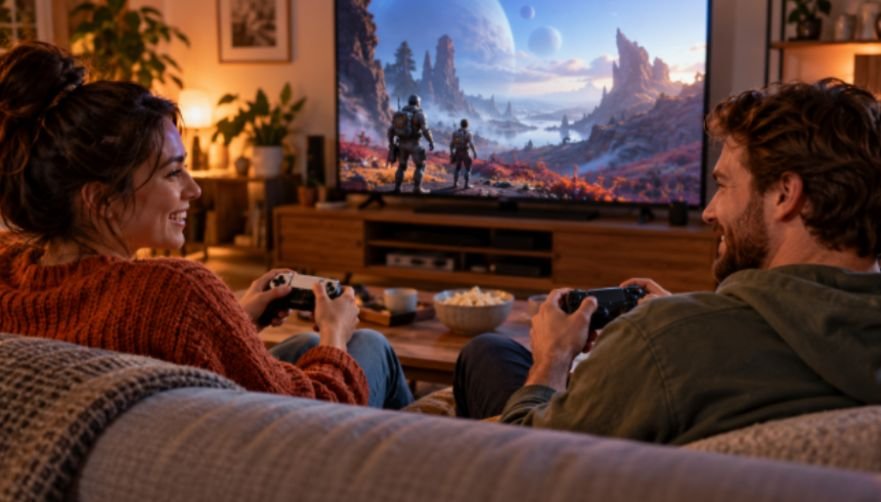
The current backlash is not an outright rejection of in-game rewards; it is a demand for structural respect. Players will invest in games that honor their autonomy and private schedules.
| Monetization Parameter | Legacy Battle Pass (2018–2023) | Hybrid Monetization (2025–2026) |
| Progression Window | Strict expiration (60–90 days) | Non-expiring catalogs or modular tracks |
| Engagement Model | Daily/Weekly chore checklists | Passive earn-rates, open play, or subscriptions |
| Content Access | Hard seasonal lockouts | Evergreen access via in-game credits |
| Monetization Trigger | Fear of missing out on assets | Value, cosmetic prestige, and convenience |
| Churn Risk | High (drop-off after missed deadlines) | Low (players return on their own terms) |
What Replaces the Pass? Emerging Hybrid Monetization Models

As traditional passes face diminishing returns, forward-thinking studios are pioneering decentralized live-ops systems that dismantle the high-pressure grind.
As gaming models evolve, players are also weighing which platforms best match their preferred experiences and spending habits. Exploring the latest video game consoles can help gamers compare available hardware and choose a system that fits their gaming priorities.
Modern Hybrid Model:
┌─────────────────────────┐ ┌─────────────────────────┐
│ Non-Expiring Passes │ │ Direct-to-Store Items │
│ (Helldivers 2 Warbonds)│ │ (Valorant / League) │
└────────────┬────────────┘ └────────────┬────────────┘
│ │
▼ ▼
┌─────────────────────────────────────────────────────┐
│ Player Retention Driven by Enjoyment, Not Deadlines │
└─────────────────────────────────────────────────────┘
Non-Expiring Warbonds: Respecting Player Agency
The most significant antidote to battle pass fatigue is the permanent progression track. Pioneered quietly by Halo Infinite and popularized globally by Helldivers 2, this mechanic removes the ticking clock entirely.
You buy a pass—often termed a Warbond or catalog—and it remains tied to your profile forever. If you take a three-month hiatus to explore another game, your financial and temporal investment remains completely intact. This structure preserves long-tail revenue for developers while building tremendous community goodwill, proving that deterministic progression does not require an expiration date to keep servers populated.
Auto-Renewable Subscriptions vs. Direct-to-Consumer Prestige Stores
For titles demanding steady operational cash flow, studios are leaning on two parallel alternatives:
- Predictable Subscriptions: Services like Fortnite Crew decouple rewards from daily match requirements. Subscribers receive monthly currency stipends and cosmetics passively, removing the mandatory 100-hour play mandate.
- Direct Marketplace Drops: Instead of burying high-tier cosmetics at the end of a seasonal track, titles like Valorant and League of Legends offer top-tier skins through rotating direct-purchase storefronts. Collectors pay outright for craftmanship without gating baseline functional progression for everyone else.
Market researchers tracking live-service spending, such as Newzoo, note that these hybrid revenue ecosystems create more resilient player lifecycles, insulating games from the steep post-season retention drops that plague legacy models.
The Platform Factor: How Shifting Hardware Fuels the Pushback

This transformation in consumer sentiment does not happen in an ecosystem vacuum. The hardware we use to play games directly dictates how much friction we will tolerate from post-launch monetization.
As players diversify their setups, the handheld pc gaming market growth has made bite-sized, pick-up-and-play sessions the new norm. Gamers playing on handheld devices during a daily commute cannot dedicate two uninterrupted hours to completing arbitrary in-game chores.
This shift toward shorter, more flexible gaming sessions is also influencing hardware demand, as portable devices make PC gaming accessible beyond the desk. Explore the latest handheld PC gaming market growth trends to understand how evolving player habits and portable hardware are reshaping the gaming landscape.
Concurrently, the broader revival trend in modern gaming toward classic, self-contained single-player adventures has reminded millions of people what gaming felt like before live-service pipelines arrived: you purchased an experience, explored it entirely at your leisure, and walked away satisfied.
Frequently Asked Questions
1. Why are players experiencing battle pass fatigue?
Players feel overwhelmed by the time commitment required across multiple seasonal passes, which turns leisure play into repetitive chores.
2. Do non-expiring battle passes make money for developers?
Yes, non-expiring passes sustain long-tail catalog sales from new players while building long-term community trust and retention.
3. How does hybrid monetization replace the battle pass?
Hybrid monetization pairs non-expiring passes with passive monthly subscriptions and direct cosmetic storefronts, diversifying revenue streams.
4. Are traditional battle passes going away completely?
Traditional passes will persist in select mega-titles, but most studios are converting them into flexible, non-expiring formats.
Stop Working for Free: How to Reclaim Your Backlog
If a game begins to feel like a job, clock out. The golden age of developer-dictated FOMO is ending because players are deliberately choosing to vote with their spare time and wallets.
Take stock of your active live-service subscriptions this week. Cancel any pass where you are playing purely to beat an artificial deadline rather than enjoying the core gameplay loop. Redirect your attention toward titles that respect your personal agency, or dive back into self-contained experiences that deliver complete stories on your schedule. Gaming is recreation; never let a seasonal progress bar convince you otherwise.