
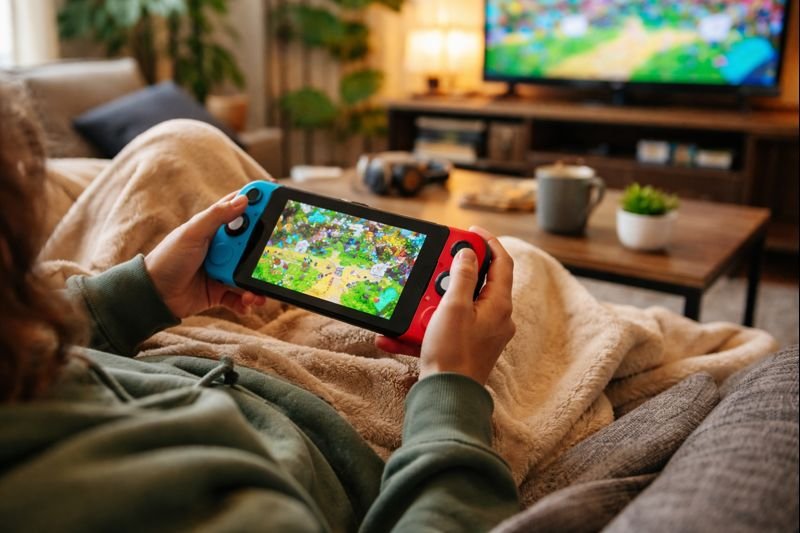
A lot of us still love the idea of getting lost in a massive game world for an entire weekend. But in real life, that kind of time is rare. Between work, family, errands, and the general mental noise of modern life in the United States, gaming often happens in smaller windows than it used to.
Ten minutes before a meeting. Twenty minutes after dinner. A short break that needs to actually feel refreshing. That shift is exactly where indie games made for short play sessions have found their footing. These games are not trying to compete with sprawling, 100-hour experiences.
Instead, they meet players where they are. They offer something complete, intentional, and satisfying in a short amount of time, without making players feel like they are falling behind or missing out.
Why Time Has Become The Most Valuable Resource For Gamers
Modern gaming habits in the U.S. are shaped less by passion and more by practicality. Many adult players still identify as gamers, but they no longer organize their lives around long play sessions. Games now have to fit into life, not the other way around.
Short-session indie games respect that reality. They are built around the idea that progress should feel meaningful even when time is limited. A single run, a level, or a short narrative moment can feel complete on its own. That design choice removes pressure and makes it easier to enjoy gaming without commitment anxiety.
There is also a mental component. After a long workday, many players want stimulation without overload. Short indie sessions offer engagement without demanding full cognitive immersion for hours at a time.
Snackable Play Fits How People Already Consume Media

Gaming does not exist in a vacuum. It follows the same consumption patterns as other media in the U.S. Short videos, quick podcasts, and brief social check-ins dominate daily routines. Gaming has naturally adapted.
Short indie games work because they align with how players already think about breaks. A game becomes a focused pause rather than a time sink. You play, you feel progress, and you step away without friction.
This is where indie developers often excel. Without pressure to inflate playtime, they design around moments instead of length. That makes the experience feel intentional instead of padded.
Design Choices That Make Short Sessions Work
Indie games that thrive in short sessions tend to share a few design philosophies. These are not gimmicks. They are deliberate decisions that remove friction for players with limited time.
- Clear checkpoints or natural stopping points that allow players to pause without losing momentum
- Minimal filler content, with mechanics that stay engaging from the first minute
- Simple interfaces that reduce setup time and cognitive load
Because of this, players can jump in, play, and leave without feeling punished or confused when they return later.
Genres That Naturally Support Short Play Sessions
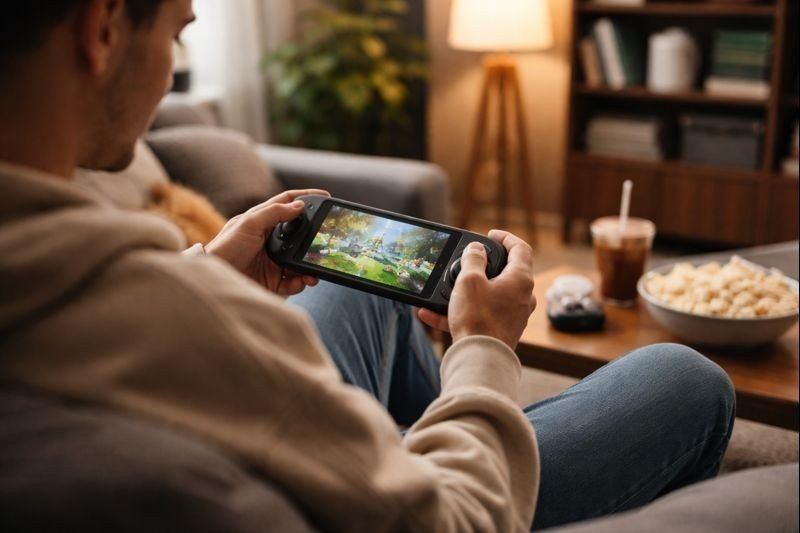
Some genres are especially well suited to short-session play, and indie developers have leaned into them heavily.
Roguelikes are one of the strongest examples. Their run-based structure gives each session a clear beginning and end. A single run can feel complete, even if it lasts only 20 or 30 minutes. Games like Dead Cells and Balatro thrive on this loop.
Micro-adventure games focus on compact emotional arcs. Titles such as A Short Hike and Minit deliver a full narrative experience without demanding long-term commitment.
Innovative mechanic-driven games also shine here. SUPERHOT uses a simple but powerful concept that makes every short session feel intense and rewarding.
Why Indie Games Often Feel More Respectful Than AAA Titles
Large-budget games often equate value with length. More systems, more quests, more hours. That approach works for some players, but it can feel exhausting for others.
Indie games tend to measure value differently. They focus on density rather than duration. Every mechanic serves a purpose. Every moment is designed to matter. That mindset resonates with players who want quality without obligation.
For many U.S. gamers, this creates a healthier relationship with gaming. You are not “behind” if you stop playing for a week. You are not pressured to remember complex systems. You simply pick up where you left off.
Mental Reset Matters More Than Ever

One of the quiet strengths of short-session indie games is how well they support mental recovery. Gaming becomes a way to reset between responsibilities rather than escape from them entirely.
This is especially true for cozy or low-stakes indie titles. They offer calming aesthetics, gentle pacing, and low penalty for mistakes. Players can disengage from daily stress without ramping up new tension.
Even more intense short-session games benefit from this structure. The knowledge that a session will end soon makes it easier to engage fully without burnout.
Growth Of Short Indie Games In The US Market
Short-session indie games are not just popular anecdotally. Their presence in the U.S. market has grown steadily over the last few years. Between 2021 and 2024, the percentage of American PC and console gamers playing indie games rose from 13% to 18%.
Digital storefronts and subscription services have played a major role. Platforms like Steam and Xbox Game Pass reduce both financial and time risk. Players are more willing to try shorter games when they know they can step away easily.
This accessibility reinforces the appeal of short-session design and encourages developers to keep building for it.
Why This Trend Is Likely To Continue
There is no sign that modern schedules are becoming less busy. If anything, time fragmentation is increasing. That makes the success of indie games made for short play sessions feel less like a trend and more like a long-term shift.
As players age, take on more responsibilities, and reevaluate how they spend free time, games that respect boundaries will continue to win attention. Indie developers are uniquely positioned to lead that space.
Frequently Asked Questions (FAQs)
1. What Defines Indie Games Made For Short Play Sessions?
These games are designed so meaningful progress can be made in short bursts, often between five and thirty minutes, without relying on long-term time investment.
2. Are Short Indie Games Less Deep Than Long Games?
Depth is not tied to length. Many short indie games deliver strong emotional, mechanical, or narrative impact in far less time than larger titles.
3. Do These Games Appeal Only To Casual Gamers?
No. Many experienced players enjoy short-session games because they offer focus, creativity, and challenge without demanding hours at once.
4. Can Short Play Games Still Feel Complete?
Yes. Many indie titles are intentionally structured to feel complete even when played in small sessions, which is part of their appeal.
Final Thoughts
The rise of indie games made for short play sessions reflects how gaming has adapted to modern American life. These games are not competing with large-scale experiences. They are solving a different problem. They make gaming accessible, intentional, and sustainable for people who still love games but no longer have endless time.
As schedules grow tighter and attention becomes more valuable, games that respect both will continue to shape how people play.