
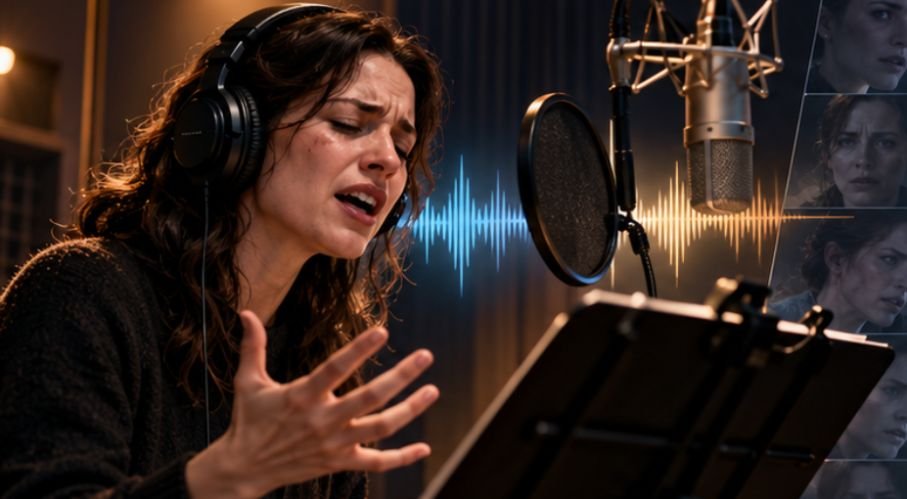
A character can say “I’m fine” while sounding terrified, exhausted, bitter, or genuinely calm. The words stay identical, but the story changes completely.
That gap between written dialogue and emotional meaning explains how video game voice actors shape narrative. Actors do more than read scripts. Through timing, breath, hesitation, emphasis, vocal texture, improvisation, and performance capture, they tell players how a character feels about events that the script may never state directly.
In interactive games, that influence becomes especially important because players do not simply watch the story. They participate in it.
Why Does Voice Acting Matter More in Games Than It First Appears?
Video game storytelling operates differently from film because players constantly interrupt the narrative through exploration, combat, dialogue choices, failure, and repetition.
For players who prefer a more relaxed experience, exploring games you can play casually without guides can make it easier to enjoy a game’s story and character interactions at their own pace.
Research describes narrative engagement as involving understanding, attention, emotional involvement, and the feeling of being present inside a story. Games can strengthen those reactions because narrative events are connected to player action.
A voice actor helps keep those scattered moments emotionally connected.Imagine an NPC telling you that a village has been destroyed. Flat delivery turns the line into information. A trembling pause before the character says the name of the village can imply grief, guilt, fear, or a personal connection.
Nothing needed to be added to the script. The performance added the story.
How Do Actors Turn Dialogue Into Character Psychology?
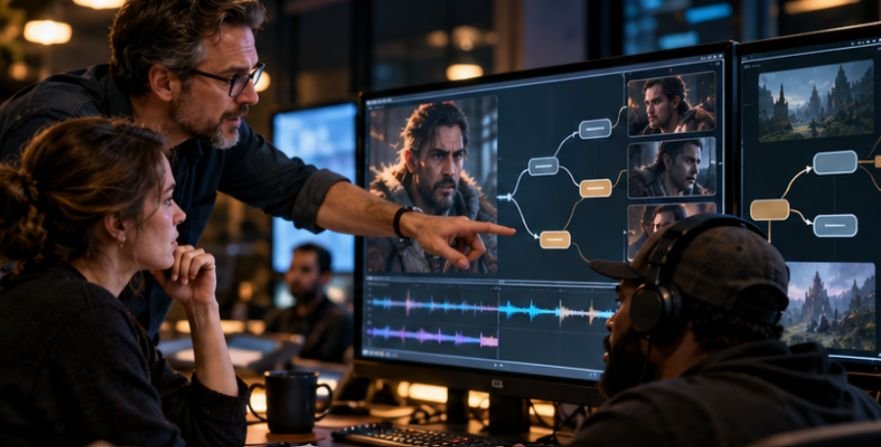
People can recognize emotional information from vocal qualities even when the words themselves offer little emotional context.
Research on emotional vocal communication has found that listeners can identify emotions through prosody, including changes in pitch, rhythm, intensity, and tone. Researchers have also found that vocal emotion contains more complexity than a simple happy-versus-sad scale. Game actors use those signals constantly.
A confident character may begin speaking faster after losing control. A villain might lower rather than raise their voice when angry. A companion recovering from trauma may hesitate before discussing certain subjects.
These choices create subtext: information the audience understands even though nobody explicitly says it.
Silence Can Be Part of the Performance
A pause can sometimes reveal more than another sentence.
Consider dialogue such as:
“I knew what would happen.”
Read immediately, it sounds confident.
Add a long pause after “knew,” and it may sound like regret.
That difference can completely alter how players interpret a character’s responsibility for what happened.
How Can Voice Acting Make Player Choices Feel More Important?
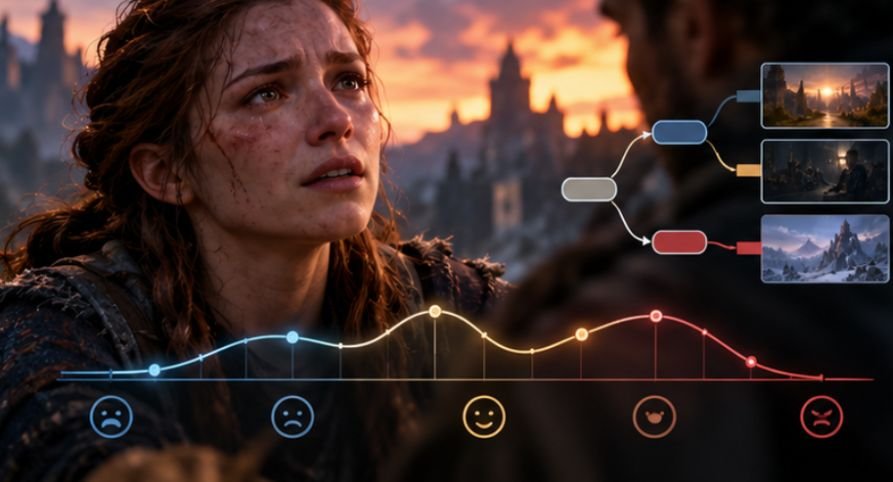
Branching narratives create an unusual acting challenge. A performer may record several reactions to decisions that players could make hours apart, sometimes without experiencing the complete scene in chronological order. Yet every version must feel emotionally consistent.
Games such as choice-driven RPGs depend heavily on this continuity because players judge characters partly by how naturally they respond to consequences.
In competitive titles, player progression also shapes the experience, and learning how to level up fast in Free Fire can help players improve their skills and make more effective use of their time in the game.
Research from the University of Rochester has linked autonomy, competence, and relatedness with video-game enjoyment and immersion. Giving players meaningful agency can therefore strengthen engagement, but choices still need believable character reactions around them.
A supposedly devastating decision becomes much less powerful if surrounding performances sound emotionally interchangeable.
Why Are Reactive Narrators So Effective?
Some games go further by making the narrator respond directly to player behavior.
Instead of delivering a fixed introduction and disappearing, narration may react when the player explores somewhere unexpected, dies repeatedly, ignores an objective, or makes a strange choice.
That turns the narrator into something closer to another participant.
The technique works because the player experiences an unusual relationship between action and storytelling: I did something, and the story noticed.
That feeling of acknowledgment can make even mechanically simple actions feel narratively significant.
How Do Actors Build Worlds Without Exposition Dumps?
World-building does not always require journals, encyclopedia entries, or long cutscenes.
Voice provides cultural information almost instantly.
Accent, vocabulary, speaking rhythm, formality, confidence, age, and social register can suggest where a character comes from and how they fit within the game’s society.
A military commander may use clipped sentences. A nervous recruit may overexplain. Two characters from rival regions may pronounce the same word differently.
Good performances communicate social hierarchy before the game explicitly explains it.
This becomes particularly useful in large environments where players encounter dozens or hundreds of characters. As games expand, maintaining meaningful storytelling becomes increasingly difficult, which is also part of the debate over whether open-world games are becoming too big .
What Changes When Actors Perform the Whole Character?
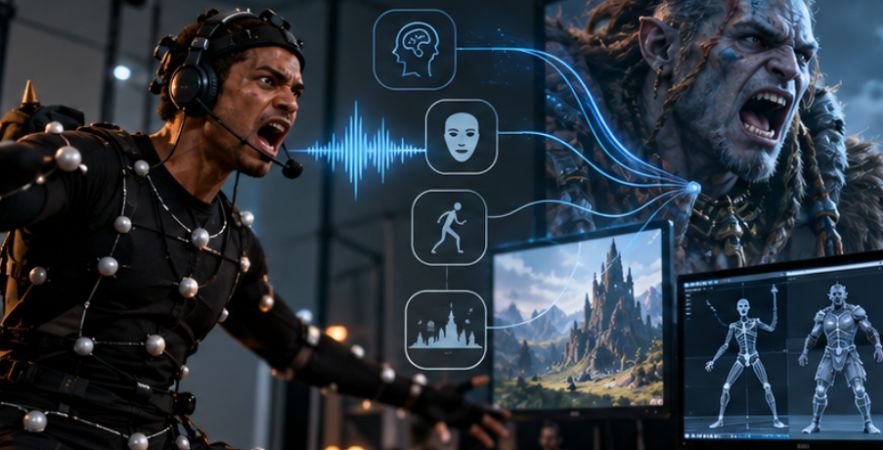
Modern game acting increasingly includes facial, body, and motion performance rather than voice alone.
SAG-AFTRA describes performance capture as skilled acting work in which movement can be recorded alongside other elements of a performance. The organization notes that these performances help create realistic character motion and emotion. That changes what actors contribute.
A character’s nervous laugh, shifting posture, delayed eye movement, or physical recoil may originate in the performance rather than animation alone.
The result is closer to character authorship shared among writers, directors, animators, designers, and performers.
NYU’s Game Center has even taught video-game voice acting through workshops covering character development, cold reading, microphone technique, and performance capture, illustrating how specialized interactive acting has become.
Where Can Voice Acting Go Wrong?
More acting does not automatically produce better storytelling. Overacting can make intimate scenes feel artificial. Celebrity casting can distract players if the performance never disappears into the character. Extremely distinctive accents may also become caricatures if developers prioritize novelty over authenticity.
Technical problems matter too. Carnegie Mellon University researchers found that noticeable audio-video synchronization problems can reduce perceived performance quality and emotional intensity.
There is also the problem of repetition. A convincing combat line becomes unintentionally funny after players hear it fifty times.
Writers, audio teams, directors, and actors therefore need enough alternate dialogue and contextual variation to preserve the illusion that characters are responding naturally.
Frequently Asked Questions
1. How do video game voice actors shape narrative?
They add emotion, personality, pacing, subtext, and psychological meaning to written dialogue, helping players understand characters and respond emotionally to interactive events.
2. Can voice actors change a video game character?
Yes. Actors may influence delivery, interpretation, physical performance, and occasionally dialogue choices through collaboration with writers and directors.
3. Why is voice acting harder in games than movies?
Game dialogue may be recorded out of sequence and must accommodate branching choices, repeated gameplay, alternate outcomes, combat reactions, and unpredictable player behavior.
4. Does every narrative game need voice acting?
No. Text-based and largely silent games can tell powerful stories. Voice acting becomes most useful when vocal emotion, character interaction, or cinematic performance supports the intended experience.
The Performance Players Remember
Players rarely remember every sentence a character says. They remember the exhausted crack in a hero’s voice, the companion who suddenly sounds afraid, or the villain whose calm delivery makes a threat more unsettling.
That is the real power behind how video game voice actors shape narrative. The script establishes what happened, but performance often determines what the moment means.
As games continue blending player choice, cinematic direction, reactive dialogue, and performance capture, the strongest characters will not simply be well written. They will feel as though someone genuinely lived behind the words.