

Professional gaming stopped being “just playing” a long time ago. Anyone who has spent time around esports teams or full-time streamers knows the reality looks closer to an athletic routine than a hobby. Long hours, tight schedules, pressure to perform, and constant adaptation define the day. What separates professionals isn’t raw talent alone. It’s the habits they build around their skill.
For many pros, growth happens when gaming becomes intentional. Every session has a purpose. Every routine supports performance. The difference shows up not only in tournaments or streams, but in how they manage their bodies, minds, and lives outside the screen.
Physical Discipline That Supports Long Sessions
Professional players treat their bodies like tools that need maintenance. Sitting for hours without structure simply doesn’t work at a high level. Many players follow short daily workout routines to counterbalance long gaming sessions. Cardio helps circulation and stamina. Strength training improves posture and reduces long-term strain.
Ergonomics also matters more than most casual players realize. Monitor height, chair support, and arm angles are carefully adjusted to avoid neck, shoulder, and wrist issues. Hand and wrist stretches between matches are common, especially during long scrim blocks. Eye care is part of the routine too. Many pros rely on the 20-20-20 rule to reduce eye strain during extended practice.
These habits don’t make headlines, but they quietly extend careers.
Mental Conditioning And Competitive Focus

Skill plateaus fast without mental structure. One of the strongest gaming habits of professional players is deliberate review. Watching recorded gameplay isn’t passive entertainment. Pros break down positioning errors, missed opportunities, and opponent tendencies. This type of learning compounds over time.
Mental control matters just as much. High-stakes competition creates emotional swings, especially during losses. Many organizations now work with performance coaches or sports psychologists. Simple breathing exercises, short meditation sessions, and reset rituals help players avoid tilt and stay consistent under pressure.
Understanding the meta is another mental edge. Professionals don’t just master mechanics. They study how strategies evolve, how opponents adapt, and when to break patterns. That awareness often decides matches before mechanical skill ever comes into play.
Nutrition And Sleep As Performance Tools
Energy drinks and late-night food still exist, but they are no longer the foundation. Top teams increasingly treat nutrition as cognitive fuel. Meals built around protein, healthy fats, and steady energy sources support focus during long sessions. Omega-3-rich foods and hydration are prioritized to protect reaction time and memory.
Sleep has become non-negotiable. Most professionals aim for seven to nine hours because reaction speed and decision-making drop quickly without rest. Some players track sleep quality to fine-tune their schedules, especially during tournament travel or heavy streaming weeks.
This shift toward balance is one of the clearest signs that professional gaming has matured.
Practice Structure That Replaces Endless Grinding
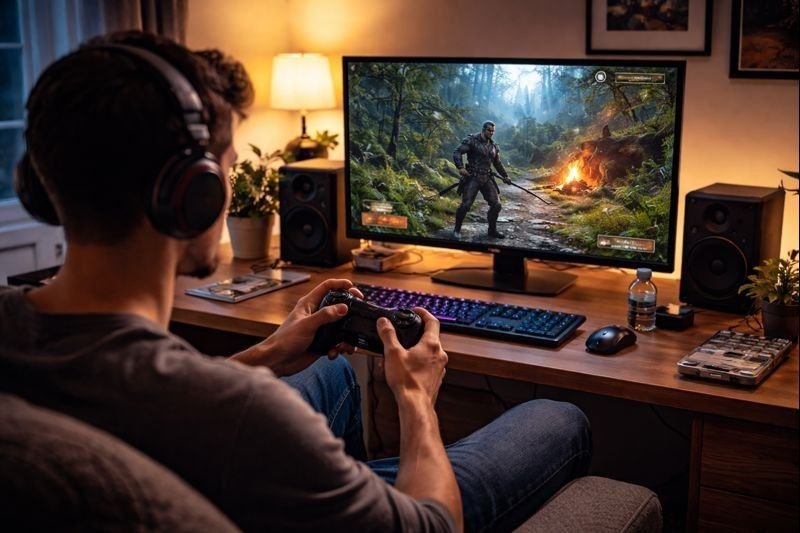
Grinding without direction is common among casual gamers. Professionals rarely do this. Practice blocks are planned around goals, whether that’s improving aim consistency, refining communication, or testing strategies.
A typical day may include:
- Structured team scrims with clear objectives
- Individual practice focused on specific mechanics
- Review sessions to analyze mistakes and trends
Breaks are built into the schedule. Many players follow a ninety-minute focus cycle with short resets in between. This keeps performance steady and reduces burnout over long seasons.
Streaming Habits And Public Performance
For players who also stream, habits extend beyond competition. Streaming adds another layer of discipline. Schedules are consistent. Energy management becomes critical. Interacting with an audience while maintaining gameplay quality takes practice.
Successful streamers plan content around their competitive goals. Some stream lighter sessions to protect focus. Others use community engagement to stay connected to evolving strategies. Building a brand is now part of professional survival, especially for long-term stability after competition.
Lifestyle Balance And Burnout Prevention

Burnout is one of the biggest threats in esports. Many professionals actively protect their mental health by building life outside gaming. Short walks, casual sports, or time away from screens help reset focus. Social interaction beyond teammates keeps perspective intact.
These habits don’t reduce competitiveness. They sustain it. Players who last longer in the scene are usually the ones who learned balance early.
Frequently Asked Questions (FAQs)
1. How many hours do professional gamers practice each day?
Most professionals practice between six and ten hours daily, but the key difference is structure. Sessions are planned, reviewed, and balanced with breaks rather than endless grinding.
2. Do professional players follow fitness routines?
Yes. Many include daily workouts, stretching, and posture training to prevent injury and maintain stamina during long gaming sessions.
3. Is streaming part of a professional gamer’s routine?
For many players, yes. Streaming helps build income, visibility, and post-career options, but it is often managed carefully to avoid performance decline.
4. What role does sleep play in competitive gaming?
Sleep directly impacts reaction time, focus, and decision-making. Most professionals prioritize consistent sleep schedules to maintain peak performance.
Final Thoughts
The gaming habits of professional players reveal a shift from raw obsession to sustainable performance. Talent still matters, but it only thrives when supported by structure, discipline, and balance. Physical care, mental conditioning, nutrition, and intentional practice quietly separate those who compete briefly from those who endure.
Professional gaming rewards those who treat it like a long game. Consistency, not chaos, builds champions.