
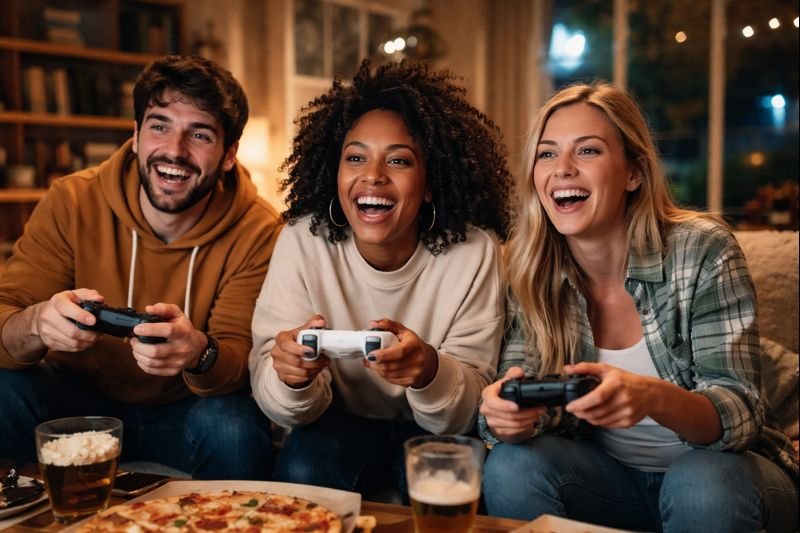
Gaming did not suddenly become important nowadays. It quietly grew alongside us. Many of us started with weekend consoles or school-day PC games, never thinking they would follow us into adulthood. Now, gaming sits comfortably between work meetings, family dinners, and late-night downtime. It feels normal. That shift matters.
Today, gaming reflects how Americans live, connect, and unwind. It shows up in friendships, mental health routines, and even the way culture speaks. With nearly two hundred million Americans playing video games, gaming is no longer an escape from real life. It is part of it.
Gaming As A Social Habit In Everyday American Life
Gaming has become a modern version of a “third place.” Not home. Not work. A digital space where people show up consistently and feel known. For many Americans, multiplayer games replace the neighborhood hangout or casual bar meetups that schedules no longer allow.
Online play makes the connection persistent. Nearly ninety percent of gamers play online, and more than half play socially every week. These interactions are not shallow. Long-term guilds, recurring teammates, and shared wins build real bonds over time. Some friendships exist entirely inside games, yet feel as real as offline ones.
Family dynamics have shifted, too. Gaming is now a shared household activity. Many parents play with their children to spend quality time together after school or work. Instead of separate screens, games create shared goals, conversations, and memories that feel collaborative rather than passive.
Gaming also lowers social barriers. For Americans with social anxiety, mobility limitations, or disabilities, games offer controlled environments. Communication happens at a comfortable pace. Identity feels flexible. Belonging comes without pressure.
Gaming As A Mental Health Habit, Not Just Entertainment
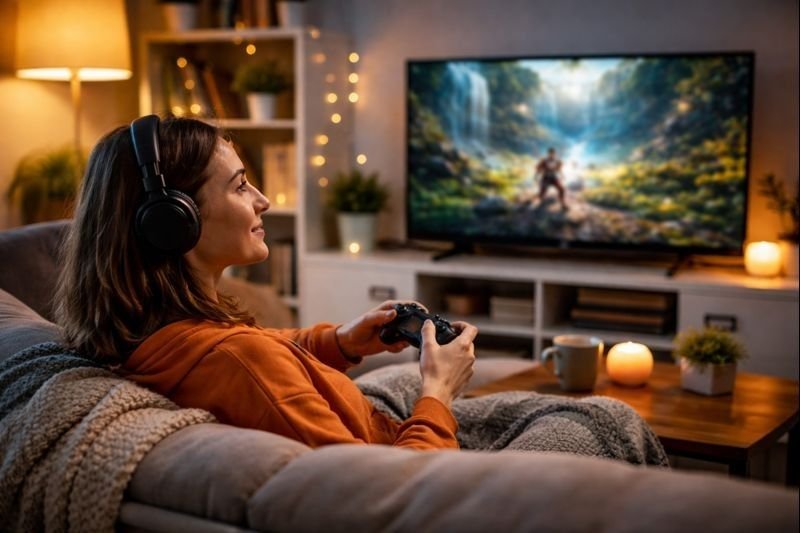
For many Americans, gaming now plays a quiet role in mental well-being. It is not framed as therapy, but it functions as emotional regulation in daily life. After stressful workdays or long commutes, gaming offers structured relief.
A large majority of players report reduced stress and better anxiety management through gaming. The appeal is not a distraction alone. Games create focus. Clear objectives replace mental clutter. Progress feels visible. That sense of control matters in unpredictable routines.
Cognitive engagement is another draw. Many players notice sharper problem-solving skills, improved memory, and quicker decision-making. Strategy games, puzzles, and action titles all demand attention and adaptability. These mental workouts feel enjoyable, not forced.
Gaming also creates flow states. Time fades. Pressure drops. The brain rests while still being active. Achievements, trophies, and milestones provide small but meaningful feelings of accomplishment that carry into real life.
In clinical settings, this impact is being recognized. Some commercial games are now adapted for therapeutic use, supporting individuals with attention challenges, trauma recovery, and emotional regulation. The line between play and mental support continues to blur.
Gaming As A Cultural Force
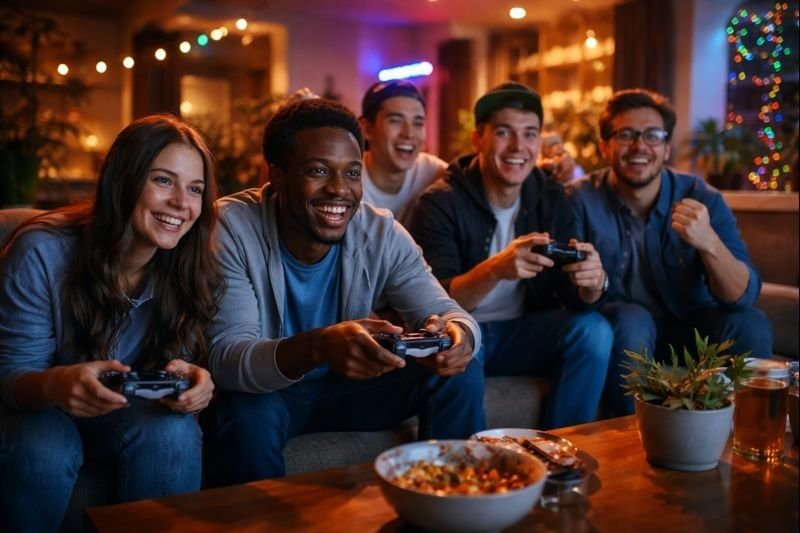
Gaming culture now sits at the center of American entertainment. Economically, the industry surpasses film and music combined. Culturally, its influence reaches far beyond consoles.
Stories born in games now dominate mainstream media. Television adaptations and streaming successes bring gaming narratives to audiences who may never hold a controller. Fashion brands launch inside virtual worlds. Musicians host concerts within games. These moments shape how culture moves.
Language has followed. Gaming terms slip into everyday American conversations. Phrases like “leveling up” or “grinding” describe work, fitness, and personal goals. Avatars allow experimentation with identity, expression, and creativity in ways traditional media never offered.
Demographics tell the clearest story. The average American gamer is in their mid-thirties. Gaming is not something people outgrow. It evolves alongside careers, families, and aging.
How Gaming Fits Into Modern Lifestyle Without Taking Over
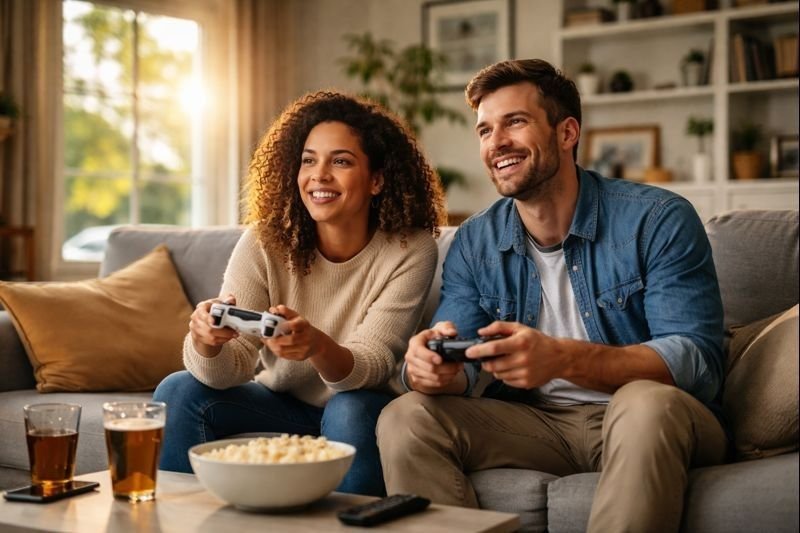
Healthy integration matters. Gaming works best when it complements life instead of replacing it. Most gamers naturally find balance through structure and intention.
Common habits that support balance include:
- Setting playtime windows around work and family routines
- Choosing games that support social or mental goals
- Treating gaming as intentional downtime, not avoidance
When approached this way, there are many benefits of gaming that strengthen routines instead of disrupting them. It becomes a tool, not a distraction.
Why Gaming Feels So Natural In Modern Life
Gaming aligns with modern lifestyles because it adapts. It fits into short breaks or long sessions, supports connection without location. It offers stimulation without exhaustion. Few other activities adjust so easily to changing schedules and emotional needs.
As work becomes digital and social spaces shift online, gaming mirrors those changes. It feels familiar because it grows where life already exists.
Frequently Asked Questions (FAQs)
1. Is Gaming Actually Social Or Mostly Isolating?
Gaming is highly social for most players. Multiplayer games foster teamwork, communication, and long-term friendships that often extend beyond the game itself.
2. Can Gaming Support Mental Health In A Healthy Way?
Yes, when balanced. Many Americans use gaming for stress relief, focus, and emotional regulation without negative effects.
3. Is Gaming Culture Only For Younger Generations?
No. The average American gamer is in their thirties, and many continue playing well into later adulthood.
4. How Much Gaming Is Considered Healthy?
Healthy gaming depends on balance. When gaming supports rest, connection, or enjoyment without replacing responsibilities, it fits naturally into daily life.
Final Thoughts
Gaming has woven itself into modern American life because it reflects how people actually live now. It supports social bonds that were once limited. Gaming also offers mental relief in overstimulated routines. It shapes culture through stories, language, and shared experiences. Gaming did not replace real life. It adapted to it.
As lifestyles continue evolving, gaming will likely remain present, not as an escape, but as a familiar, flexible space where Americans connect, recharge, and belong.