

The term “indie” has acquired a new meaning in the gaming industry in recent years, particularly with the popularity of single developer games. Even though the business is frequently dominated by big studios with enormous staff, independent developers are subtly demonstrating that one individual can create amazing things.
Millions of players worldwide have fallen in love with these individual projects, which range from Stardew Valley to Undertale. Let’s examine some of the top games made by lone developers and discover what made them successful.
Why Solo Developers Are Changing the Gaming Industry

Before we dive into the specifics of successful solo-developed games, it’s important to understand why one person can achieve what often takes entire teams. The rise of game development tools, such as Unity and Unreal Engine, has made it easier than ever for solo developers to create polished, full-fledged games.
With access to these tools, combined with platforms like Steam, itch.io, and Kickstarter, indie developers can bypass the traditional barriers to entry and connect directly with players.
Key Benefits of Solo Game Development:
- Creative Freedom: One person controls the entire vision and direction of the game, without the constraints of a team or publisher.
- Cost-Effectiveness: By handling everything themselves, solo developers save on staffing and overhead costs, often resulting in more financially efficient games.
- Personal Touch: The passion of a single developer often shines through in their work, creating a deeper connection with the audience.
This shift in the gaming landscape has allowed for a unique variety of games that challenge the status quo.
Top Solo-Developed Games That Became Phenomenal Hits
Let’s take a look at some of the most successful games made by one developer and break down what made them so special.
1. Stardew Valley
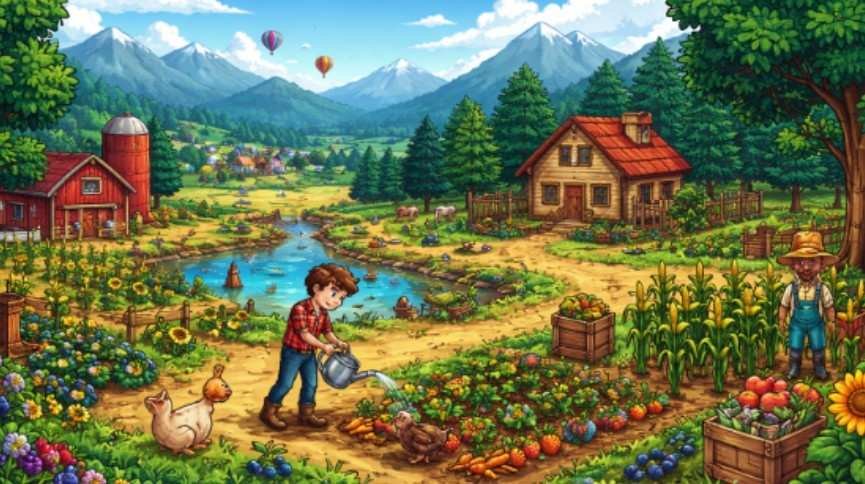
Developer: Eric Barone
Release Year: 2016
One of the most iconic examples of a solo-developed game is Stardew Valley. Eric Barone, who worked under the name ConcernedApe, spent four years creating this farming simulation game. His hard work paid off when the game became a massive success, selling millions of copies across multiple platforms.
Why It Became a Hit:
- Engaging Gameplay: The blend of farming, crafting, and relationship-building created a deep, immersive experience that kept players coming back for more.
- Constant Updates: Even after launch, Barone continued to improve the game with free updates, keeping the community engaged and loyal.
- Nostalgic Charm: The pixel art and relaxing gameplay evoked feelings of classic RPGs like Harvest Moon, making it a perfect choice for fans of that genre.
2. Undertale
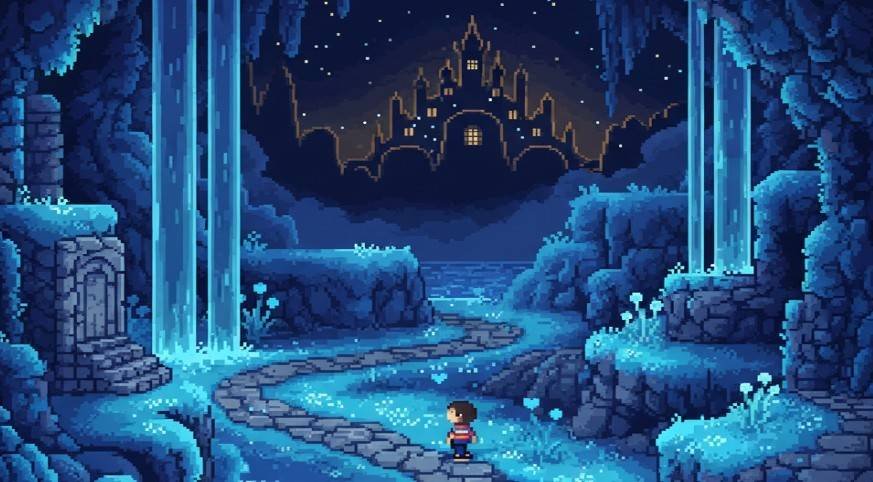
Developer: Toby Fox
Release Year: 2015
Undertale creator Toby Fox is one of the most influential indie games of all time. Its quirky characters, memorable music, and innovative gameplay made it a smash hit, even with its unconventional combat system where players can choose to spare enemies rather than fight them.
Why It Became a Hit:
- Innovative Mechanics: The “spare or fight” mechanic offered a fresh take on RPG combat and encouraged players to explore multiple playthroughs.
- Rich Storytelling: The emotional depth of the characters, especially in the game’s many endings, resonated with players on a personal level.
- Viral Appeal: The game’s unique dialogue and humor quickly became internet fodder, spreading through memes and fan art, contributing to its widespread success.
3. Minecraft
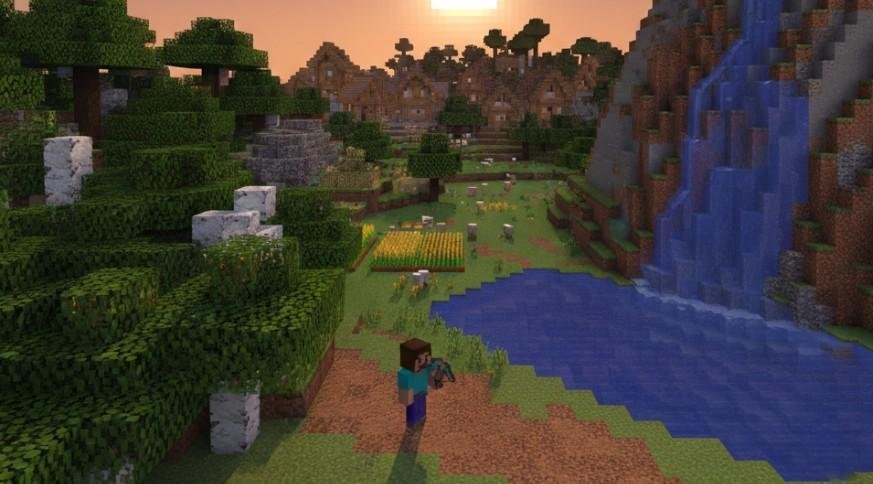
Developer: Markus “Notch” Persson
Release Year: 2011
While Minecraft may now be owned by Microsoft, it started as a solo developer project by Markus Persson built the Minecraft video game. His vision for an open-world, sandbox game focused on building and exploration captivated millions of players worldwide, leading to its success on every major platform.
Why It Became a Hit:
- Limitless Creativity: Players were given the freedom to build and create anything they imagined, leading to endless possibilities.
- Community Engagement: With multiplayer support, custom mods, and a huge online community, Minecraft quickly became more than just a game — it became a cultural phenomenon.
- Accessible to All Ages: Its simple graphics and non-violent nature made it accessible to a wide range of players, from kids to adults.
4. Vampire Survivors
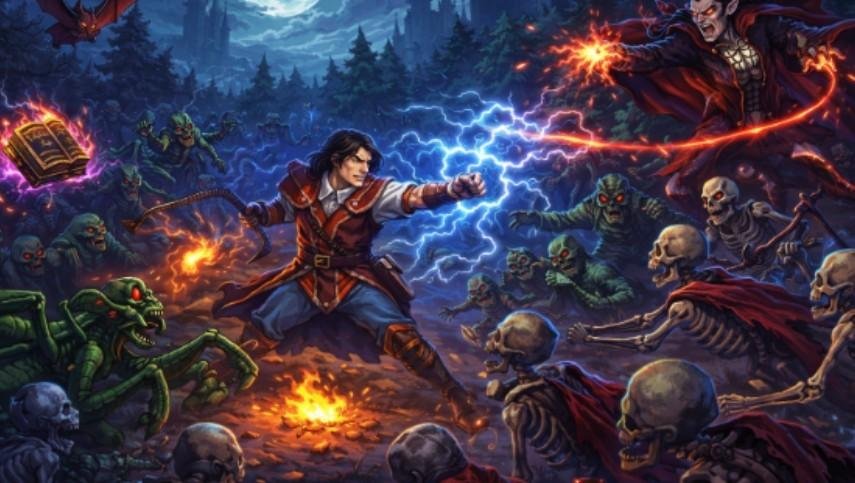
Developer: Luca Galante
Release Year: 2022
A more recent success, Vampire Survivors by Luca Galante, surprised many with its simple yet addictive gameplay. The game revolves around surviving waves of enemies while collecting upgrades, and its engaging mechanics led to a massive following.
Why It Became a Hit:
- Simplicity: The easy-to-learn, hard-to-master gameplay kept players hooked.
- High Replay Value: With tons of unlockables and randomized gameplay elements, every run felt fresh and challenging.
- Affordable Price: At a low price point, the game quickly became an accessible option for those looking for an engaging experience without breaking the bank.
5. Papers, Please
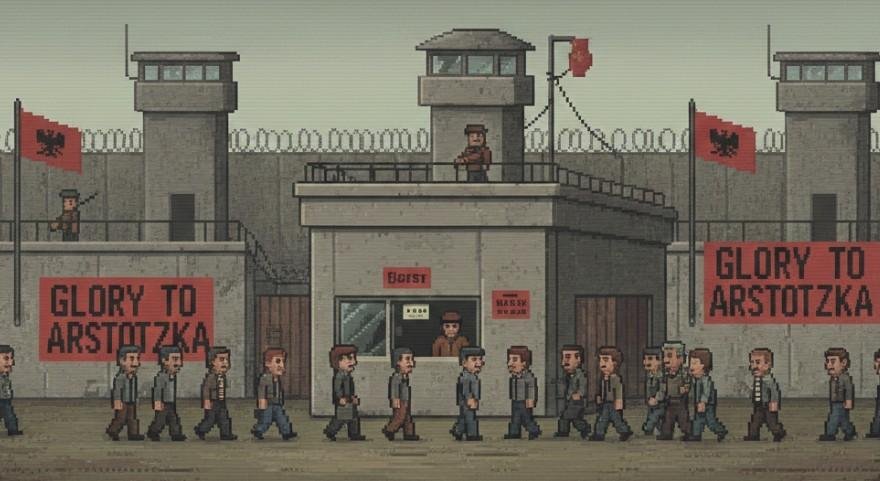
Developer: Lucas Pope
Release Year: 2013
Papers, Please by Lucas Pope is a thought-provoking dystopian puzzle game where players take on the role of a border control officer. The game’s unique theme and morally challenging choices set it apart from traditional titles.
Why It Became a Hit:
- Morally Complex Choices: The game forced players to make tough ethical decisions, which made for an emotionally engaging experience.
- Innovative Storytelling: Through the lens of a border guard, players experienced a unique narrative about bureaucracy, control, and survival.
- Cult Following: The game’s dark themes and pixel art style attracted a dedicated fanbase.
What Makes These Games Stand Out?
These solo-developed hits have several key things in common. They offer:
- Creative Risk-Taking: These developers weren’t afraid to try new concepts and break away from traditional gaming molds.
- Community Building: All of these games fostered strong communities that spread the word, creating lasting fanbases.
- Passion-Driven Development: It’s clear that the developers of these games were passionate about their projects, which translated into the quality of the games.
Key Takeaways
- Solo developers have the freedom to create unique, personal games that resonate with players.
- Successful solo games often combine innovation, community engagement, and deep passion.
- The rise of game development tools and platforms has empowered more solo developers to succeed.
Frequently Asked Questions
1. How long does it take for a solo developer to make a hit game?
It depends on the complexity of the game. For example, Stardew Valley took four years to complete, while simpler games like Undertale took a couple of years. Most solo developers spend significant time on development, especially when it comes to polishing the gameplay and refining mechanics.
2. Do solo developers make money from their games?
Yes, solo developers can make significant amounts of money, especially if their game goes viral. For example, Stardew Valley made millions in sales. However, success is not guaranteed, and many indie developers rely on crowdfunding or early access to generate initial funds.
3. What are the challenges of solo game development?
Solo developers face a wide range of challenges, from burnout to wearing many hats (programming, design, marketing, etc.). They also have limited resources and time, which can make it harder to compete with larger studios.
4. Can solo developers work with publishers?
Yes, many solo developers work with publishers to get their games to a wider audience. For example, Stardew Valley was published by Chucklefish, but Eric Barone handled much of the development himself.
Final Takeaways
The success of games made by one developer proves that passion, creativity, and hard work can lead to amazing results. Whether it’s the simplicity of Vampire Survivors or the emotional depth of Undertale, these solo-developed games show that even a single person can create something extraordinary.
As the gaming industry continues to evolve, we can expect to see more hit games coming from solo developers who dare to dream big and create on their own terms.