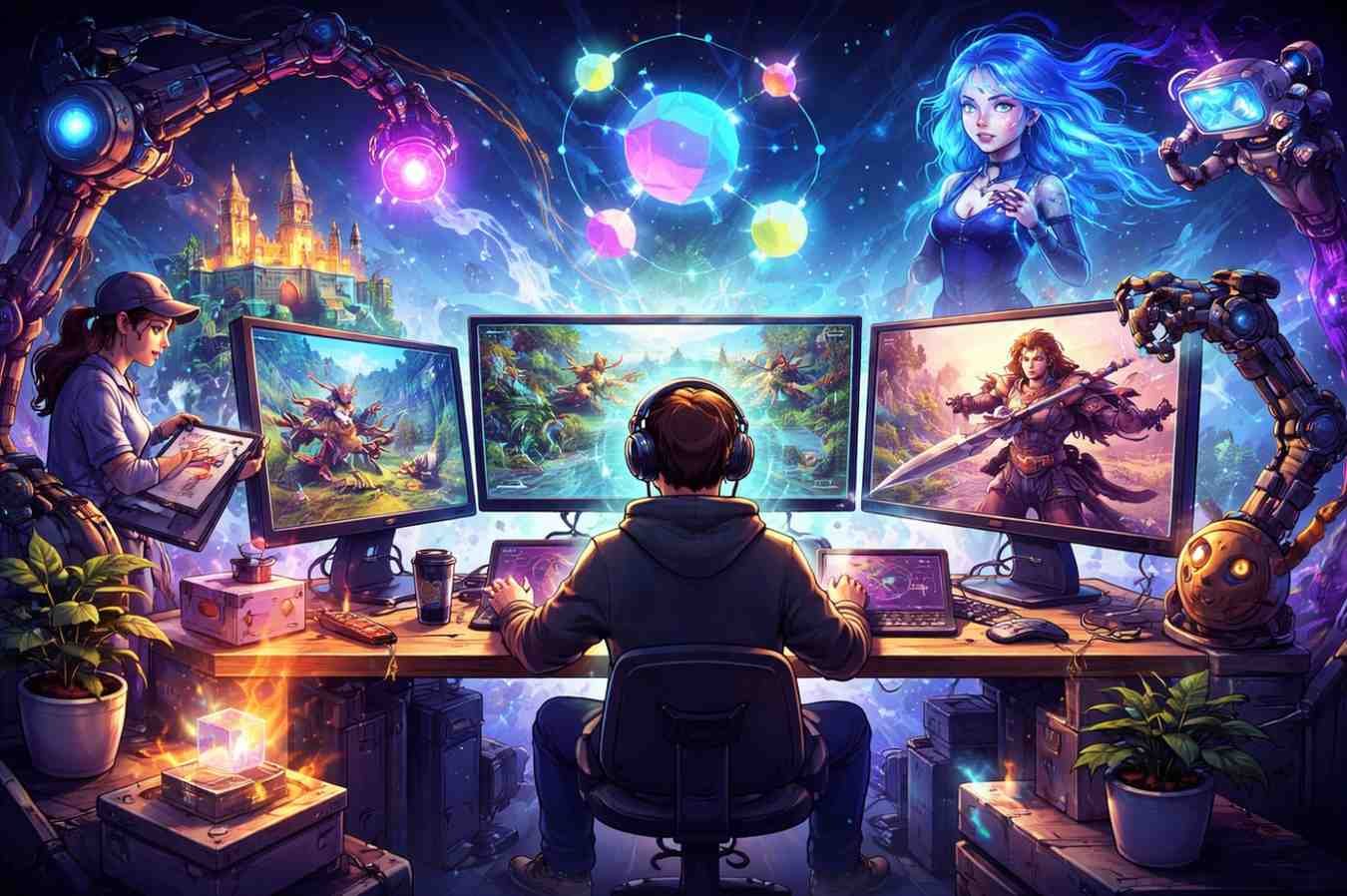
As an indie game developer, having the right tools at your disposal can make or break your project. While large studios might have big teams, indie developers can still punch above their weight by leveraging the power of AI tools for indie game developers. These tools help streamline everything from coding to asset creation, enabling indie devs to save time and focus on what matters most—bringing their creative vision to life.
In this blog, I’ll introduce you to the best AI tools for indie game developers in 2026, covering various aspects of game development, from coding to NPCs, asset creation, testing, and more. Let’s dive in!
What Are AI Tools for Indie Game Developers?
AI tools for indie game developers are revolutionizing the game development industry. They help automate repetitive tasks, optimize workflows, and enhance the creativity of developers. By utilizing AI, indie game developers can create stunning visuals, engaging NPCs, and efficient game mechanics—all while saving valuable time.
AI Tools for Coding & Game Logic
1. GitHub Copilot: Your AI Coding Assistant
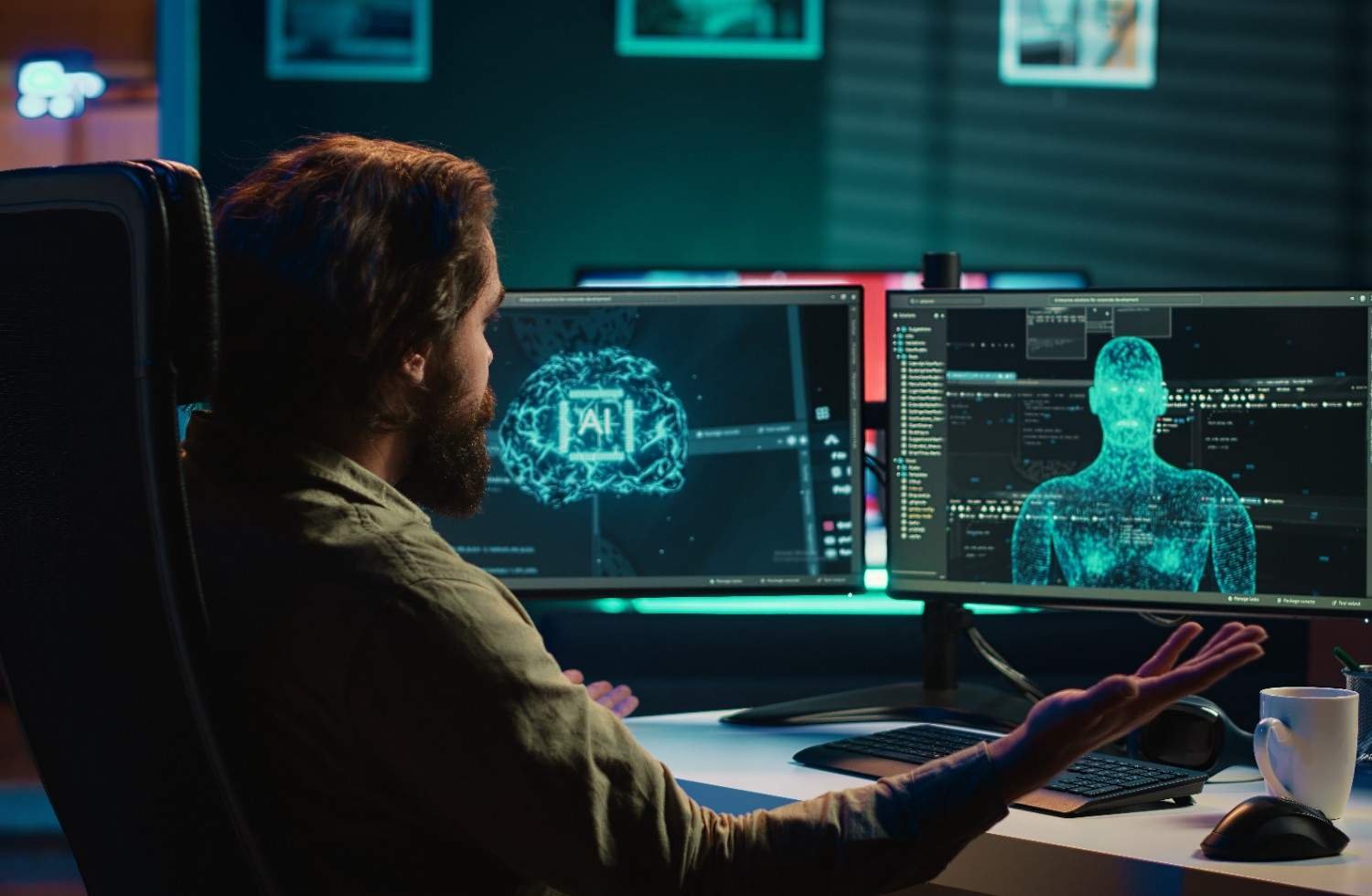
GitHub Copilot is one of the best AI-powered tools for developers. It uses machine learning to suggest code snippets and even generate entire functions based on your comments. It’s an excellent tool for speeding up coding tasks and eliminating repetitive tasks.
Why You Should Use GitHub Copilot:
- Provides real-time code suggestions and auto-completions.
- Integrates seamlessly with multiple programming languages.
- Helps save valuable time, allowing you to focus on creative aspects.
2. Unity ML-Agents Toolkit: Training AI Behaviors
For indie developers looking to create intelligent game behaviors, Unity ML-Agents Toolkit is a fantastic choice. It allows you to train machine learning models to create advanced AI behaviors within your game. Whether you’re designing enemy behaviors, NPC routines, or game difficulty scaling, ML-Agents can help.
Why You Should Use Unity ML-Agents Toolkit:
- Free to use, especially beneficial for indie developers.
- Customizable AI models to suit various game types and genres.
- Integrates well with Unity, one of the most popular game engines.
AI Tools for Art & Asset Creation
3. Luma AI: AI-Powered 3D Asset Generation
Creating 3D environments and assets can take a lot of time, but Luma AI is here to help. This AI-powered tool allows you to generate highly realistic 3D environments and assets with minimal effort. Whether you’re building expansive landscapes or detailed interiors, Luma AI speeds up the process significantly.
Why You Should Use Luma AI:
- Generates 3D models and textures from photos.
- Saves you hours of manual work on asset creation.
- Realistic designs that enhance the quality of your game’s world.
4. Artbreeder: Create Stunning Game Characters
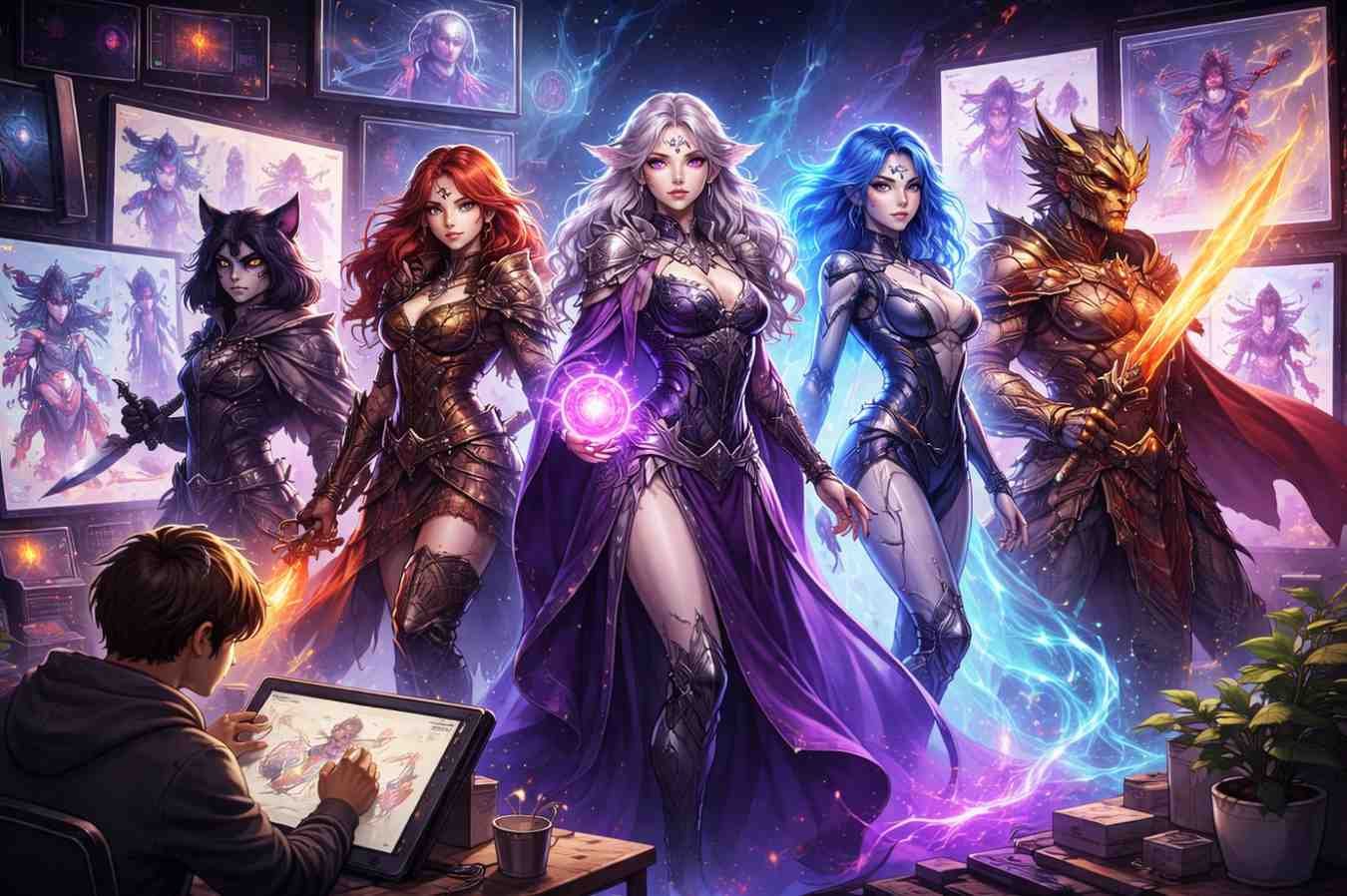
If you’re in need of character designs or artwork, Artbreeder is an excellent choice. It uses AI to help create unique characters, textures, and assets by blending different styles and concepts. This tool is great for indie developers who need original art without the high costs of hiring artists.
Why You Should Use Artbreeder:
- Easily customize and merge existing artworks.
- Perfect for creating game characters, textures, and environments.
- Fast and cost-effective for indie developers on a budget.
AI Tools for NPCs & Dialogue Systems
5. Inworld AI: Bring NPCs to Life
Inworld AI is a game-changing tool for creating lifelike NPCs that interact naturally with players. With natural language processing (NLP), Inworld AI allows you to build intelligent NPCs that can hold meaningful, context-aware conversations.
Why You Should Use Inworld AI:
- Context-aware conversations between NPCs and players.
- Easily integrates into game engines like Unity and Unreal.
- Dynamic NPC behavior based on player interactions.
AI Tools for Testing & Automation
6. Modl.ai: Automated Game Testing
Automated game testing is a must for indie developers, and Modl.ai is one of the best tools for this. It uses AI to simulate player behavior and test your game’s performance, helping you identify bugs and optimize game mechanics before launch.
Why You Should Use Modl.ai:
- Automates QA testing to detect bugs and performance issues.
- Simulates hours of gameplay to ensure game stability.
- Cost-effective for small studios and indie developers.
AI Tools for Sound Design & Music
7. AIVA: AI-Generated Music for Your Game
Sound design plays a key role in shaping your game’s atmosphere. AIVA (Artificial Intelligence Virtual Artist) is an AI composer that generates original music based on the themes and moods of your game. This can help save time and money, especially if you’re working on a tight budget.
Why You Should Use AIVA:
- AI-generated music that matches your game’s mood and style.
- Customizable compositions for unique soundtracks.
- Affordable alternative to hiring a composer.
How to Integrate AI Tools into Your Game Development Workflow
Integrating AI tools into your game development process is easier than you might think. Here’s a simple guide to get you started:
Identify your pain points: Think about where you need the most help—coding, asset creation, NPC interaction, testing, etc.
Pick the right tool: Based on your needs, select the AI tools for indie game developers that best fit your development process.
Integrate into your workflow: Use the tools in tandem with your existing pipeline (e.g., Unity, Unreal Engine, etc.).
Stay updated: AI is evolving quickly, so keep up with the latest tool developments to maximize your game’s potential.
Frequently Asked Questions (FAQs)
1. How can AI improve my game development process?
AI can automate repetitive tasks like asset creation, coding, and testing. It allows developers to save time, improve efficiency, and focus on creativity, ultimately speeding up the development process.
2. Are these AI tools expensive?
Many AI tools, such as GitHub Copilot and Luma AI, offer affordable pricing or even free tiers for indie developers. You can always find a tool that fits your budget while still offering powerful features.
3. Can AI replace game developers?
No, AI is designed to assist developers by automating tasks, not replace them. Developers still need to provide creative direction, game design, and oversight of AI-generated content.
Conclusion
In 2026, AI technologies for independent game makers will be more potent and widely available than ever before. There is an AI tool to meet your needs, whether they are related to coding, asset creation, NPCs, testing, or sound design.
By integrating these tools into your workflow, you can streamline your development process, reduce costs, and bring your indie game vision to life faster and more efficiently than ever before. Get started today by exploring the tools mentioned above, and see how AI can take your game development to the next level.