
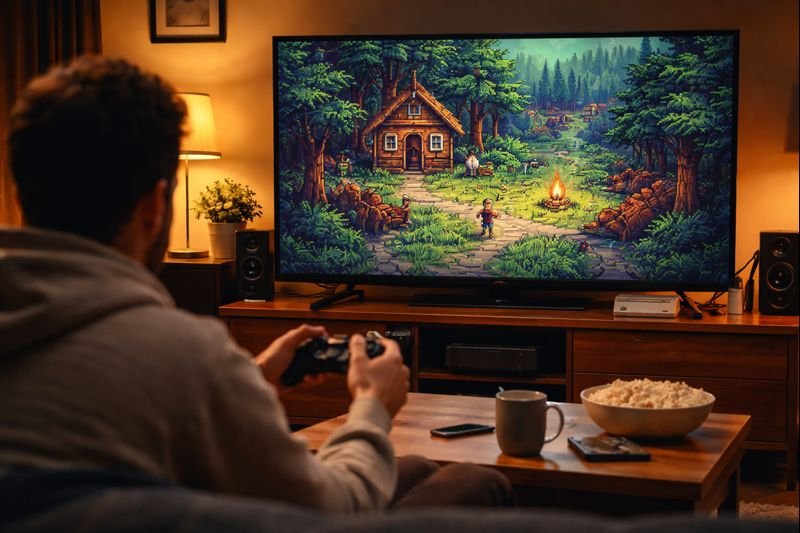
There was a time when I thought bigger budgets automatically meant better games. Living in the US gaming ecosystem, surrounded by blockbuster launches and endless hype cycles, it was easy to believe polish equaled passion. But over the years, something shifted. The games I kept reinstalling, replaying, and thinking about weren’t the loudest releases. They were quieter. Smaller. Human.
That’s where indie games that feel handcrafted started to stand out. These games don’t try to impress with scale. They pull you in with intention. In a market flooded with live-service models and monetization layers, handcrafted indies feel like someone actually sat down and made something for you, not for a quarterly report.
Why The Handcrafted Feeling Resonates With Players
In the United States, players are increasingly burned out on mass-produced experiences. AAA studios often chase realism, data-backed design, and aggressive monetization. Indie developers, by contrast, lean into limitations. And paradoxically, those limits create focus.
Handcrafted indie games usually emerge from a small team or even a single developer with a clear artistic vision. There are fewer approval layers, fewer compromises, and more room for personality. You can feel when a game was shaped by someone’s lived experience rather than a spreadsheet.
This difference matters to players who want meaning, not just mechanics.
Artistic Vision Over Corporate Optimization
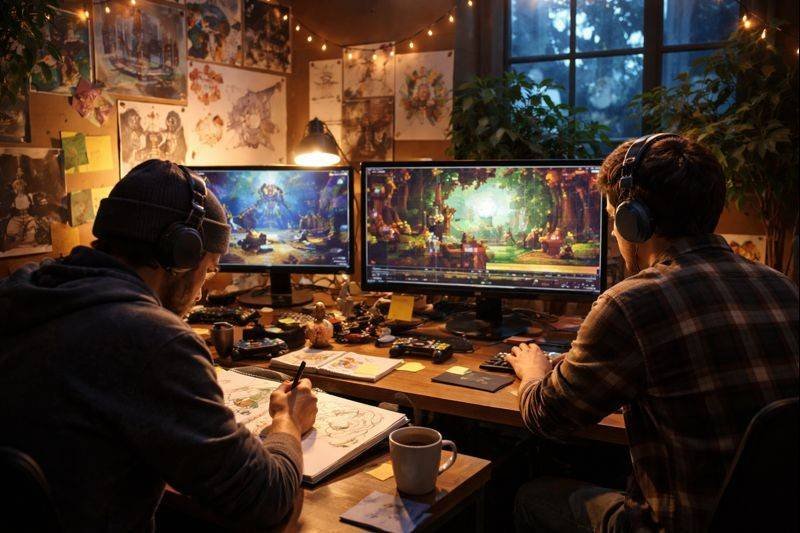
One defining trait of indie games that feel handcrafted is artistic consistency. The art, mechanics, and narrative usually serve one emotional goal. Nothing feels accidental.
Instead of asking, “What will maximize engagement metrics?” these developers ask, “What do I want the player to feel right here?” That question alone changes everything.
Stylized visuals, pixel art, hand-drawn animation, and minimalist worlds aren’t shortcuts. They’re deliberate. Without visual overload, players enter a stronger flow state. Focus improves. Emotional beats land harder. The experience feels intimate rather than overwhelming.
Emotional Investment Feels Personal, Not Programmed
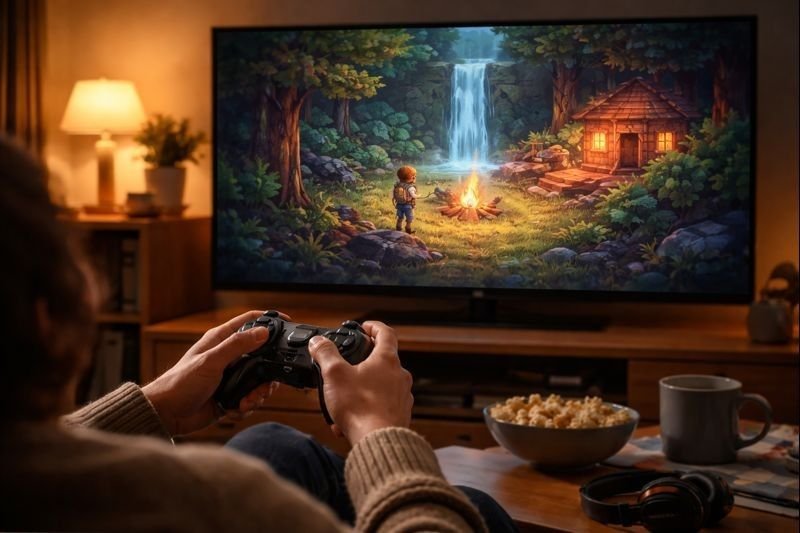
Many handcrafted indie games feel emotionally raw because they are. Developers often weave personal themes into the gameplay: loneliness, growth, grief, curiosity. These aren’t market-tested emotions. They’re human ones.
That honesty creates trust. Players sense when a game isn’t trying to manipulate them into staying longer or spending more. Instead, it respects their time.
A good example of this design philosophy is Undertale, which famously lets players choose empathy over combat. That single mechanic flips expectations and stays with players long after the credits roll.
Intentional Design Choices Create Better Focus
Handcrafted doesn’t mean unfinished. It means intentional.
Many indie developers consciously limit scope to protect the core experience. Fewer systems. Fewer distractions. Tighter mechanics. This design restraint is rare in modern AAA releases, where features are often stacked until the experience feels bloated.
For players, especially in the US, where gaming time competes with work and family, this clarity matters. A focused game respects limited time and delivers something complete.
Why Community Connection Builds Long-Term Loyalty
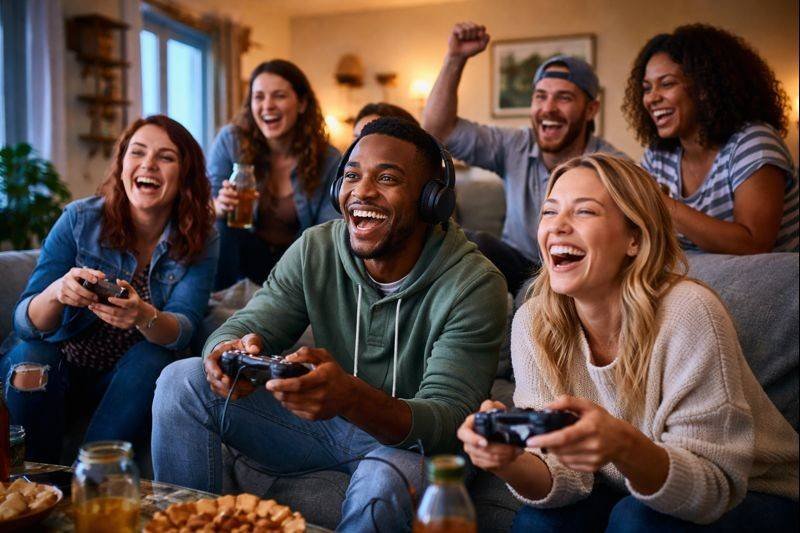
Another reason players keep returning is accessibility, not just in price, but in communication.
Indie developers frequently interact directly with players on Discord, Reddit, and Kickstarter. Feedback loops are real. Players feel heard. Sometimes they even influence the final game.
That dynamic changes the relationship entirely. You’re no longer just a consumer. You’re part of the process.
This direct bond builds loyalty that marketing budgets can’t buy.
Player-First Design Over Monetization Fatigue
Players are increasingly weary of microtransactions, battle passes, and gated progression. Many indie games that feel handcrafted deliberately avoid these systems.
Instead, they focus on:
- Complete experiences at fair prices
- No pressure loops or artificial scarcity
- Gameplay progression that feels earned
Lower price points on platforms like Steam and itch.io also encourage experimentation. Players are more willing to try something unusual when the financial risk is low.
Why These Games Age Better Than Blockbusters
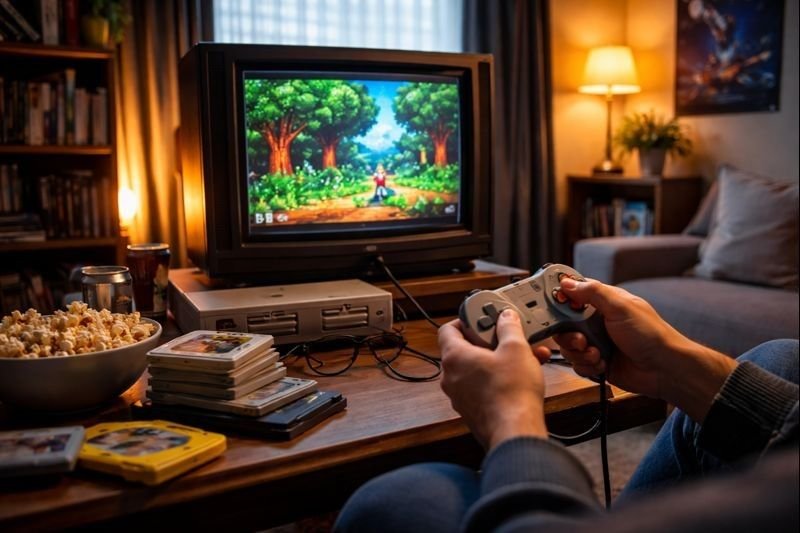
What keeps players coming back years later isn’t graphics. It’s memory.
Handcrafted indie games tend to age well because their appeal isn’t tied to realism or technical benchmarks. They rely on mood, mechanics, and meaning. Those don’t expire.
A game with a strong emotional core will still feel relevant long after its release window closes.
The Psychology Behind Player Retention
From a design psychology perspective, handcrafted indies often succeed because they:
- Break predictable reward patterns
- Encourage curiosity instead of compulsion
- Create intrinsic motivation rather than grind
Players return because they want to, not because they’re afraid of missing out.
That distinction matters more than ever.
How Indie Game Culture Keeps Handcrafted Games Alive
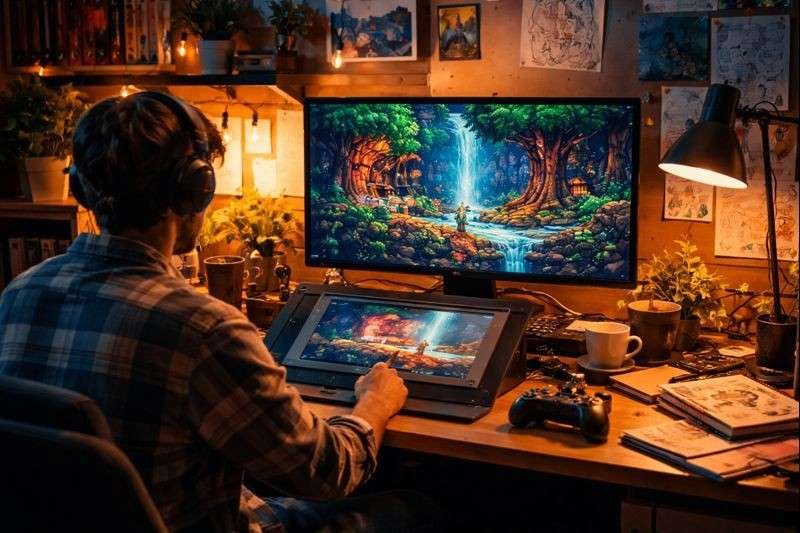
In the United States, the rise of indie games that feel handcrafted isn’t happening in isolation. It’s supported by a broader cultural shift in how players discover, talk about, and value games. Events like local game jams, indie showcases, and digital festivals give small developers visibility that would have been impossible a decade ago. These spaces celebrate experimentation over perfection, which reinforces why handcrafted design still matters.
Streaming and creator culture also play a role. When streamers highlight indie titles, they often focus on the story behind the game as much as the gameplay itself. Viewers hear about the solo developer, the late nights, and the risks taken. That context deepens appreciation and makes the experience feel shared rather than consumed. Players don’t just buy the game, they root for it.
Finally, platforms like Steam reviews and community forums allow word-of-mouth to scale organically. A handcrafted game doesn’t need a massive launch if players genuinely connect with it. In the US market, especially, trust spreads fast when a game respects players’ time, emotions, and intelligence. That cultural support system is a big reason these games don’t fade; they circulate, resurface, and stay relevant.
Frequently Asked Questions (FAQs)
1. Why Do Indie Games Feel More Personal Than AAA Games?
Because they’re usually created by small teams with a unified vision, allowing personal themes and creative risks that large studios often avoid.
2. Are Handcrafted Indie Games Only About Storytelling?
No. While many focus on narrative, others emphasize mechanics, atmosphere, or experimentation. The common thread is intentional design.
3. Do Indie Games Really Avoid Monetization Tactics?
Most handcrafted indie games avoid aggressive monetization, focusing instead on complete, player-respecting experiences.
4. Why Do Players Replay Indie Games More Often?
Emotional connection, focused gameplay, and trust-driven design create lasting impressions that players want to revisit.
Final Thoughts
Indie games that feel handcrafted succeed because they treat players like humans, not metrics. In a crowded market full of spectacle, these games offer sincerity. They remind us that limitations can sharpen creativity, and that emotional honesty still matters in interactive entertainment.
That’s why players don’t just play them once. They come back. Again and again.