

When I lose the last life in a puzzle game, the offer to watch a short video and keep playing feels like a fair trade. I get another chance at the level, and a company gets a few seconds to show me its product. But how do free mobile games make money from ads if I close the video without clicking or buying anything?
The short answer is that advertisers pay to show ads inside the game, and the game’s publisher earns revenue from eligible impressions under impression-based pricing. A single view can be worth a fraction of a cent on average. The business starts to make sense when you see how those small amounts add up across thousands of players and repeat sessions.
Who Pays When You Watch a Mobile Game Ad?
Imagine a company has just released a racing game. It wants people who play mobile games to try it, so it pays to advertise inside other apps. The puzzle game you’re playing has a spot available when you ask for an extra life. An ad network connects that opening with an advertiser that wants to reach players like you.
After you tap the button, the game requests an ad. In a bidding setup, eligible advertisers or ad sources can compete for the opportunity to show one. If an ad is selected and displayed, the system can record an impression. The publisher earns revenue under the terms of its advertising arrangement.
There’s a reason the ad you see might be for another game. Its publisher wants new installs, while the publisher of the game you’re playing earns money from the ad placement. Each company is paying for or selling access to the same moment in your session.
How Much Does a Free Mobile Game Earn Per Ad View?
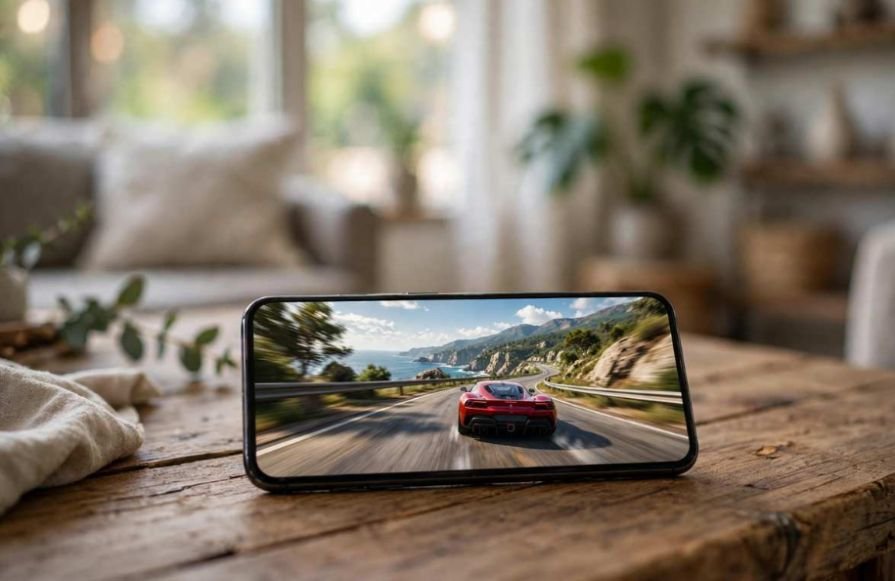
To understand how do free mobile games make money from ads in dollar terms, start with eCPM. It stands for effective cost per thousand impressions. From the game publisher’s perspective, it expresses how much the game earned per 1,000 times an ad was shown.
A simple mobile game ad revenue example
Suppose a game records 25,000 ad impressions at an average eCPM of $6. Dividing 25,000 by 1,000 gives you 25 groups of impressions. Multiply 25 by $6, and the game earns an estimated $150. That works out to $0.006 per impression on average, or six-tenths of a cent.
The $6 rate is hypothetical. Ad format, player location, device platform, the time of year, and advertiser demand can all affect earnings. That means two games can record the same number of impressions and earn different amounts. The same game can also earn different amounts from one month to the next.
Why Some Ads Give You Rewards and Others Interrupt Play
Rewarded ads offer something you can use
A rewarded ad starts with a choice. You might watch a video to revive your character, double the coins you just earned, or get a hint. Once you meet the stated viewing or interaction requirement, the game grants the reward. An extra life is especially appealing when you’re one move away from finishing a level.
Interstitial ads appear at breaks in the game
Interstitials are full-screen ads that can appear between levels or after a match. They usually come with no gameplay reward. Timing matters because an ad after the results screen interrupts less than an ad that appears while you’re lining up a shot or making a move.
Banner ads share space with gameplay
A banner typically sits along the top or bottom edge of the screen. It takes up less space than a full-screen ad, although it can still crowd the controls or cover information on a small display. Some full-screen and rewarded ads are playable, letting you try a short demo inside the ad itself.
Why More Ads Can Mean Less Revenue Over Time

A developer could show a full-screen ad after every level and get more impressions from that session. If players find the interruptions frustrating, some may close the game early or skip their next session. The game then loses future opportunities to show ads.
Two numbers help explain this trade-off. An ad request is the game asking an ad source for an ad. An impression is recorded when an ad is actually shown. A request can go unanswered or the player can leave before the ad appears, so requests can outnumber impressions. How often players return, how long they stay, and how many ads they actually see all shape revenue over time.
Session length is also influenced by the type of experience a game offers. Short narrative games, for example, can attract players who prefer focused stories and complete experiences that fit into a single sitting. These games demonstrate how a well-paced experience can hold attention without relying on lengthy progression systems.
Explore some best short narrative games to finish in one sitting to see how compact storytelling shapes the gaming experience.
The type of game also influences how long players stay engaged. Casual titles with simple mechanics and accessible gameplay can encourage people to return for short sessions without needing extensive preparation or outside assistance.
When players can easily understand the rules and enjoy the experience at their own pace, the game may become part of their regular routine. If you’re looking for examples, explore these games you can play casually without guides.
Why Free Games Also Sell Ad-Free Upgrades
Ads let a game earn revenue from players who never make a purchase. The same game can also sell an ad-free upgrade, extra levels, cosmetic items, or a monthly pass. This combination gives players more than one way to play and gives the publisher more than one source of income.
A game’s commercial success also depends on the experience it creates beyond monetization. Characters, dialogue, and voice performances can make players more emotionally invested in a game’s world and story. In narrative-driven titles, professional voice performances help bring characters to life and strengthen player engagement. Learn more about how video game voice actors shape narrative.
Check what the upgrade covers before buying. Some offers remove automatic ads between levels while keeping optional reward videos available. That distinction matters if your main reason for buying is to eliminate interruptions.
Frequently Asked Questions
1. How do free mobile games make money from ads if I never click?
With impression-based pricing, an eligible ad display can generate revenue for the game even if you never tap the ad or install the advertised app. Some campaigns pay for other actions, such as clicks or installs.
2. Do game developers get paid every time I see an ad?
A qualifying impression can contribute to earnings, depending on the pricing and reporting terms. The eCPM figure summarizes average earnings across many impressions, so it doesn’t tell you how much a particular view earned.
3. Why does the same mobile game ad keep appearing?
The same campaign may repeatedly be eligible to show an ad during your sessions. Which ad appears can depend on what advertisers are bidding, what campaigns are available, and whether limits apply to how often you see them.
What I Take Away From That Extra Life
When I ask how do free mobile games make money from ads, I think about the moment I choose to watch for another try. The advertiser gets a chance to reach me, the publisher can earn a small amount, and I get to keep playing. That one view may earn very little. What makes the model work is giving enough players a reason to come back and make that choice again.