
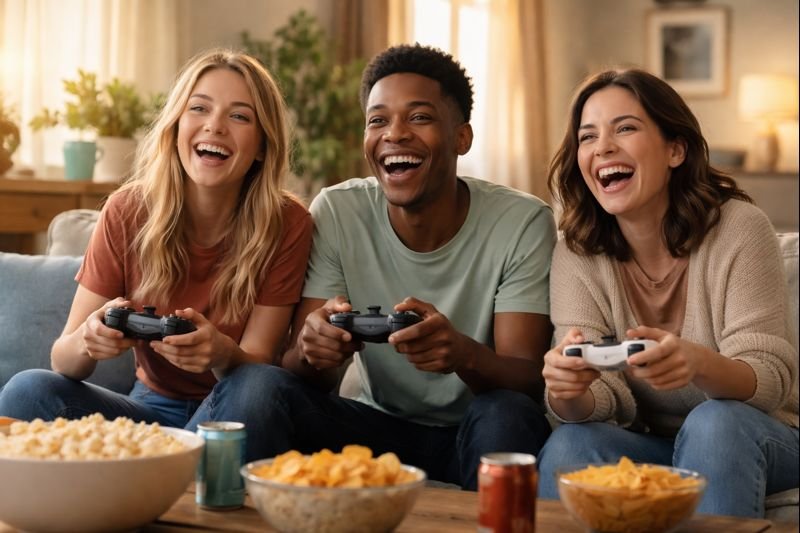
There was a time when games didn’t ask much from us. You picked something up, figured it out as you went, and enjoyed the moment. No tutorials. No pressure. Just play. Lately, a lot of people are quietly looking for that feeling again, especially after long workdays, school runs, or screen-heavy schedules.
That’s where games built around pure, simple fun really shine. These are experiences digital, tabletop, or physical that respect your time. You don’t need a guide open on your phone to memorize systems. You just start, play, and relax.
What “Pure, Simple Fun” Really Means In Games
In the gaming world, pure, simple fun usually means intuitive design. The rules are either obvious or learned naturally through play. There’s no punishment for not knowing the “right” way. For many players, this kind of game fits perfectly into short breaks, family evenings, or low-energy nights.
These games often share a few traits. They let you move at your own pace. They avoid constant competition. And they make progress feel good without demanding mastery.
Casual Digital Games You Can Learn As You Play
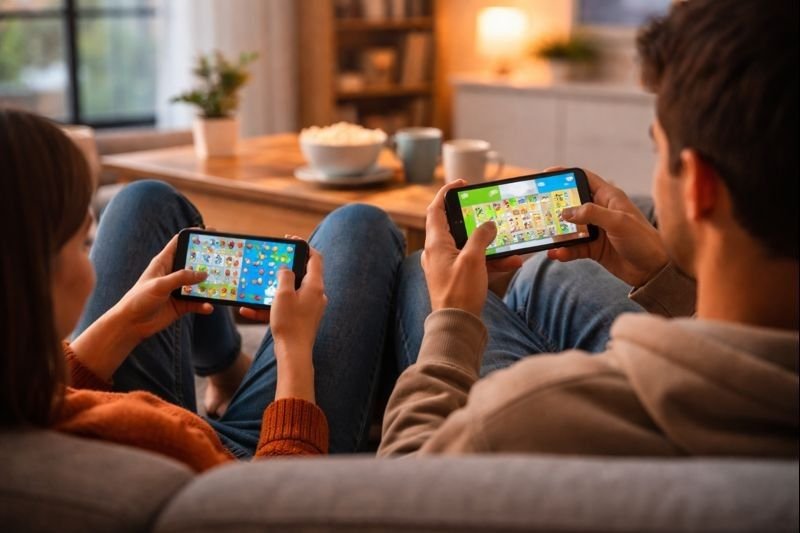
Some video games are designed to feel welcoming from the first minute. You don’t feel lost, even if you’ve never touched something similar before.
One of the best examples is Stardew Valley. You arrive in a small town, plant crops, and slowly build routines. There’s no rush and no wrong way to play. Many players treat it as a digital version of unwinding after a long day.
Then there’s Minecraft, especially in Peaceful mode. Without enemies, it becomes a calm space for building, exploring, or letting kids play creatively. It’s popular across US households because it works just as well for adults as it does for younger players.
PowerWash Simulator might sound odd at first, but it’s surprisingly meditative. You clean things. That’s it. No timers, no story pressure. Just a satisfying loop that feels almost therapeutic.
Games like A Short Hike and Unpacking lean into gentle storytelling and simple mechanics. They’re easy to control, emotionally warm, and perfect for players who want calm engagement rather than challenge.
Lighthearted Sandbox And Builder Experiences
Some games don’t even pretend to have goals, and that’s their strength.
Townscaper is a great example. You click, and colorful towns appear. There are no scores, no objectives, and no instructions. It’s closer to doodling than gaming.
Similarly, Slime Rancher focuses on exploration and collecting friendly creatures. It’s bright, forgiving, and easy to understand. Many players enjoy it as a way to decompress without thinking too hard.
These games prove that fun doesn’t need complexity. Sometimes freedom is enough.
Classic American Games That Never Needed Instructions
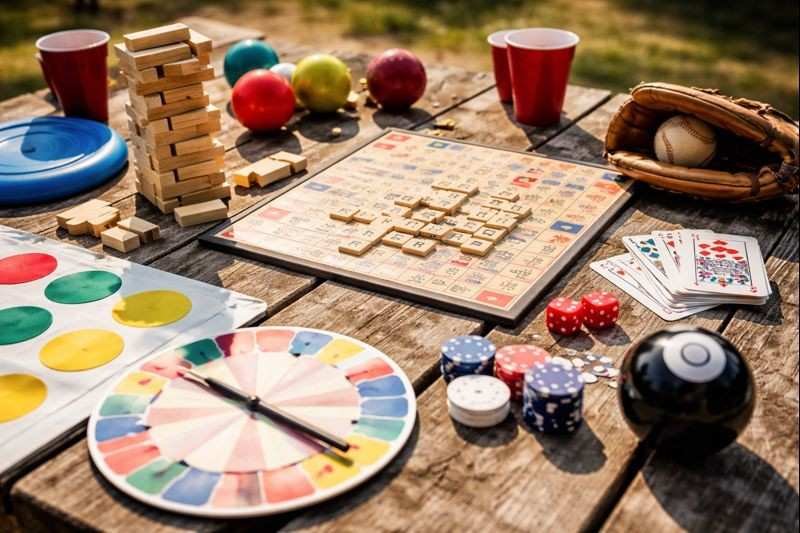
Not all casual games live on screens. A lot of traditional games are still popular precisely because everyone already knows how to play them.
Backyard and table games are a huge part of social life:
- Cornhole at weekend cookouts
- Jenga or Uno during family nights
- Simple card games passed down through generations
You don’t explain much. Someone starts, others follow. That’s the magic.
Even retro arcade games like Pac-Man and Tetris still work because the objective is instantly clear. Move, match, survive a little longer. Anyone can jump in.
Games You Can Play Anywhere, With Anyone
Some of the most relaxing games require nothing at all. Playground and verbal games still thrive across schools, camps, and families.
Hide and Seek. Tag. I Spy. Twenty Questions.
These games tap into instinctive play. No setup, equipment and explanations. They work just as well for kids as they do for adults, killing time during road trips or family gatherings.
That’s a reminder that casual play isn’t about platforms. It’s about accessibility.
Mobile Games For Short, Stress-Free Breaks
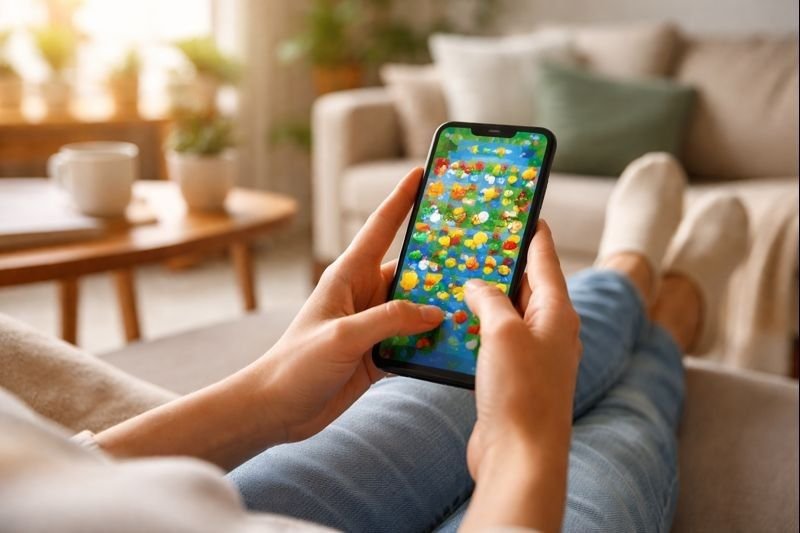
When time is limited, mobile games often fill the gap. Titles like Candy Crush Saga or simple block puzzles are popular in the US because they fit into everyday moments, waiting rooms, commutes, or coffee breaks.
They’re designed to be intuitive. You don’t read instructions. You tap, match, and move on. Even five minutes feels complete.
Why These Games Matter More Than Ever
Modern life is busy. Many players aren’t avoiding “serious” games; they’re just tired. Games you can play casually without guides offer something rare: permission to relax.
They don’t judge skill, don’t punish mistakes. They remind us that play can be gentle, familiar, and joyful.
Why Casual Games Feel More Rewarding As We Get Older

As adults, the way we relate to games changes. Time becomes fragmented. Energy dips after work. Responsibilities stack up. In that phase, games that demand constant focus or skill-building can start to feel like another task instead of an escape.
Casual games quietly solve that problem. They fit into real life instead of competing with it. You can play for ten minutes or two hours and still feel satisfied. There’s no guilt about stopping midway. No anxiety about forgetting controls or mechanics when you return days later.
This is why many people drift toward familiar, low-pressure play as they age. A quick round of a mobile puzzle. A calm farming day. A backyard game with friends. These moments don’t ask for commitment; they offer comfort. And that comfort is often what makes the experience feel genuinely rewarding rather than impressive or competitive.
Frequently Asked Questions (FAQs)
1. What Makes A Game Easy To Play Without A Guide?
Games without guides rely on intuitive controls, simple goals, and gradual learning through play instead of tutorials.
2. Are Casual Games Only For Kids Or Beginners?
Not at all. Many adults prefer casual games because they reduce stress and fit into busy schedules.
3. Can Casual Games Still Be Deep Or Meaningful?
Yes. Games like Stardew Valley or Unpacking show that simple mechanics can still deliver emotional depth.
4. Do Casual Games Work Well For Families?
Absolutely. Many casual games are perfect for mixed-age groups and shared family play.
Final Thoughts
Games you can play casually without guides bring gaming back to its roots. They focus on comfort, curiosity, and enjoyment rather than mastery. Whether it’s building quietly, cleaning virtual spaces, tossing a beanbag in the backyard, or matching colors on your phone, these games meet you where you are.
In a world that constantly demands attention, choosing simple fun is sometimes the smartest move you can make.