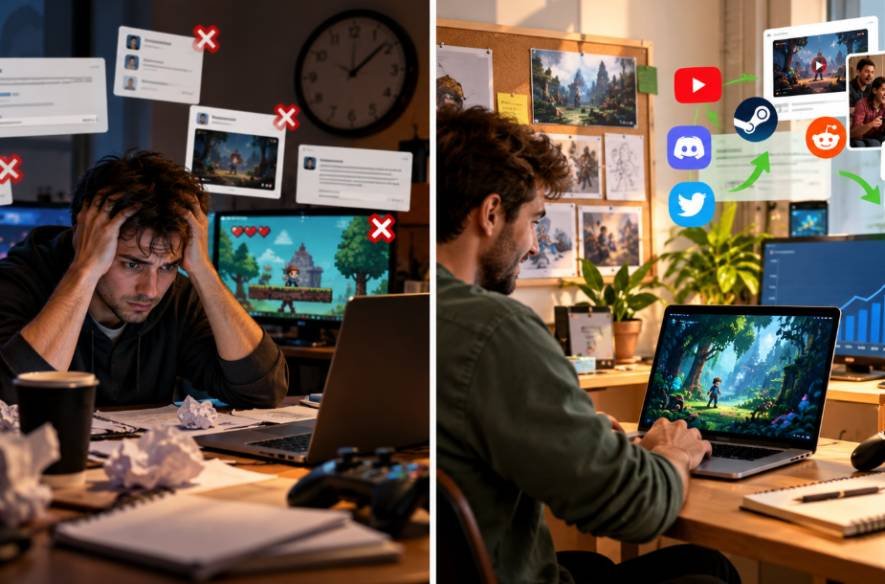
Building an indie game is exciting, but getting players to notice it can feel like an entirely different challenge. I believe independent developers don’t need expensive advertising campaigns to create genuine excitement around their projects. What they need is creativity, consistency, and a clear promotional strategy.
Learning how to market an indie game without a budget means trading money for time and transforming development into a story people want to follow.
From Steam wishlists to community building and influencer outreach, the following indie game marketing strategies can help attract players without spending money on ads.
Why Should You Start Marketing Your Indie Game Before Launch?
Waiting until release day to promote your game leaves little time to develop an audience.
I recommend beginning indie game marketing as soon as you have a clear concept and something interesting to share.
Early promotion helps you identify potential players, collect feedback, and understand which gameplay features generate excitement.
Planning promotional activities alongside development is important because how long it takes to make an indie game can influence when developers should begin building an audience and preparing for launch.
Whether you’re creating a cozy farming simulator, retro platformer, or survival horror title, your strongest selling point should guide your marketing messages.
How Can You Promote an Indie Game for Free?
1. Build an Active Discord Community and Email List
A dedicated community gives interested players somewhere to follow your development journey.
Create a Discord server for development updates, alpha testing, and meaningful conversations. You can invite members to vote on minor features, name characters, or suggest visual improvements.
I also recommend starting an email newsletter through free-tier services such as MailerLite or Substack.
Unlike social media followers, email subscribers give you a more direct communication channel, helping you announce demos, updates, and launch information.
2. Create Engaging TikTok Videos and YouTube Shorts
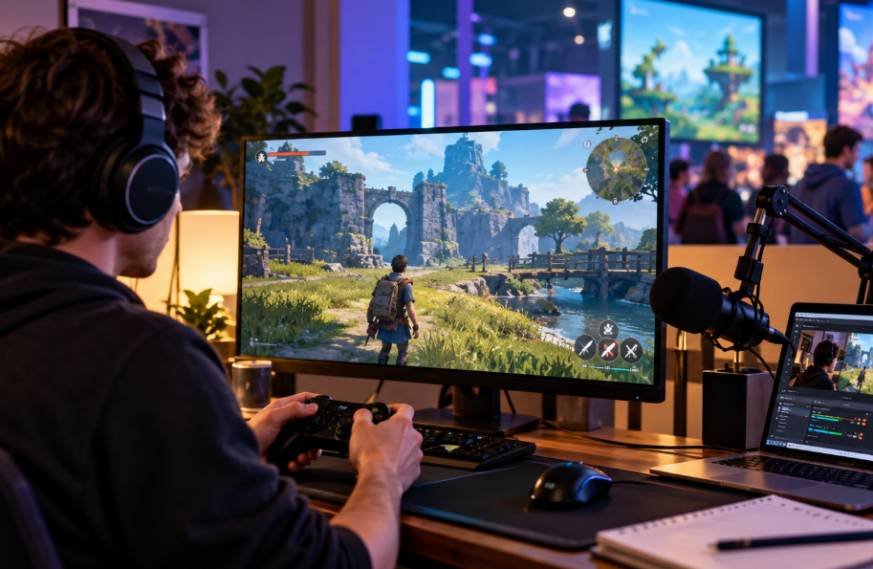
Short-form video is a useful tool for organic game discovery.
Share gameplay loops, funny bugs, character animations, unusual mechanics, and before-and-after development clips.
For example, a 15-second video showing an unexpected enemy interaction could encourage viewers to learn more about your game.
Short gameplay clips can be particularly effective when promoting indie games made for short play sessions, as they can quickly demonstrate the appeal of a compact gaming experience.
I would focus on entertaining content rather than repetitive advertisements.
Strong opening visuals, consistent posting, and genuine interaction can help your indie game social media marketing reach interested audiences.
3. Promote Your Game Through Reddit and X Communities
Reddit offers access to communities centered around specific gaming interests.
Subreddits such as r/indiegames, r/gamedev, r/cozygames, and r/metroidvania can help you connect with relevant audiences.
Share interesting development experiences, request feedback, and follow each community’s promotional rules.
On X, participate in discussions using community hashtags such as #ScreenshotSaturday, #IndieDevHour, and #WishlistWednesday.
I recommend prioritizing meaningful conversations over posting promotional links everywhere.
4. Optimize Your Steam Store Page for More Wishlists
Your Steam storefront should turn curious visitors into interested potential buyers.
Create compelling capsule artwork, select accurate genre tags, write a clear game description, and include appealing screenshots.
Show actual gameplay early in your trailer so visitors quickly understand the experience.
Publishing a Coming Soon page several months before release can provide time to collect wishlists.
Although wishlists help interested customers receive launch notifications, they do not automatically guarantee algorithmic visibility.
Remember that Steam charges a $100 publishing fee per game. Developers with no upfront funds can initially promote their projects through platforms such as itch.io.
5. Share Game Development Updates and Devlogs
Development updates create opportunities to maintain interest without purchasing advertisements.
Show how you designed a level, improved animations, fixed unusual bugs, or developed a challenging enemy.
I prefer updates that explain creative decisions because they make players feel involved in the development process.
Highlighting the artistic details and personal touches behind your project can also attract players interested in indie games that feel handcrafted, especially when sharing behind-the-scenes development stories.
Publishing these stories on YouTube, community forums, and your website also creates reusable promotional content.
6. Reach Small Gaming YouTubers and Twitch Streamers
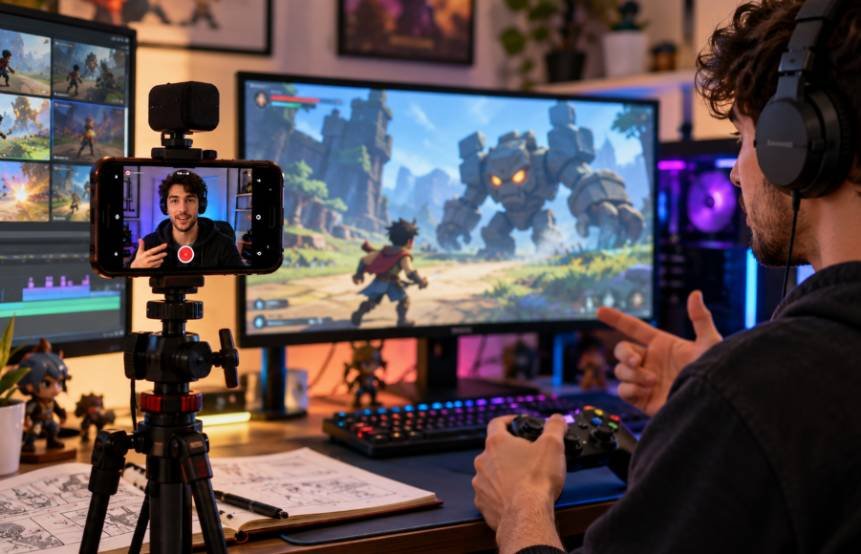
Indie game influencer outreach doesn’t require hiring a public relations agency.
Look for creators with roughly 1,000–20,000 followers who regularly feature games similar to yours.
Send personalized messages explaining your game’s unique appeal and offering a playable demo or review key.
A creator with a smaller, highly relevant audience may be more useful than a major streamer whose viewers prefer different genres.
Keep outreach professional, concise, and respectful.
7. Release a Demo and Participate in Steam Next Fest
A polished playable demo allows potential customers to experience your game’s strongest mechanics.
Consider creating a focused 15–30-minute experience if that length suits your game.
Eligible developers can also participate in Steam Next Fest to introduce their projects to interested players.
Developer livestreams are optional, but demonstrating gameplay and answering questions may encourage engagement.
Collect feedback, improve gameplay, and use the event to understand what attracts players.
8. Create a Free Press Kit and Distribute Review Keys
A professional indie game press kit makes your project easier for journalists and creators to cover.
Use Presskit() or a shared Google Drive folder to organize screenshots, transparent logos, game descriptions, fact sheets, and trailer links.
You can also explore creator key distribution platforms such as Keymailer, Woovit, and Terminals.io, checking their current pricing and eligibility before using them.
Clear presentation and personalized outreach can improve your chances of earning gaming press coverage.
9. Encourage Player Reviews and Word-of-Mouth Promotion
Players who enjoy your game can become valuable advocates.
Create memorable moments worth discussing, respond thoughtfully to feedback, and communicate important improvements.
Encourage honest reviews after release without offering inappropriate rewards.
I believe authentic recommendations build stronger long-term interest than aggressive promotional messaging.
10. Track Your Marketing Results Without Paid Tools
Free indie game promotion becomes more effective when you understand which activities work.
Monitor store visits, wishlist additions, demo downloads, email signups, and community engagement.
Use available storefront analytics and tracking links to identify which channels bring interested players.
Focus on meaningful actions rather than treating every video view as a potential sale.
What Is a Simple 30-Day Indie Game Marketing Plan?
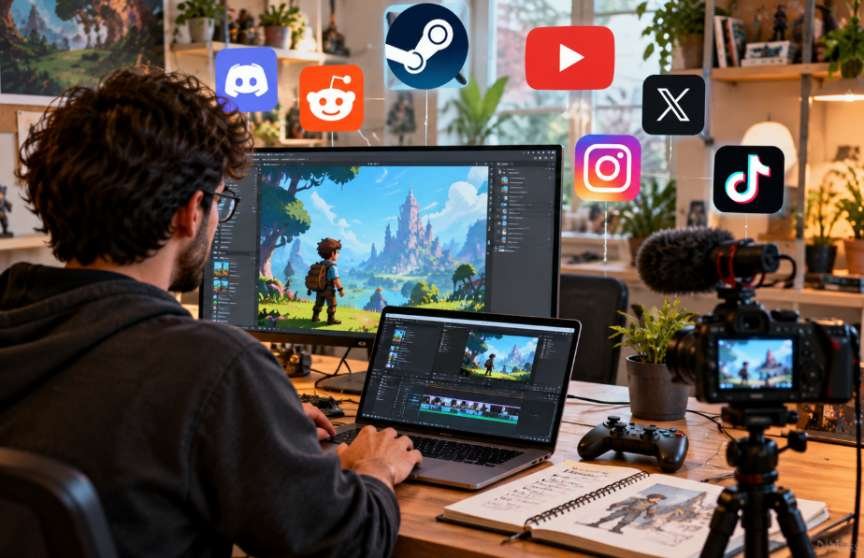
During the first week, identify your target audience, prepare promotional assets, and establish your main community channels.
In the second week, publish gameplay clips, participate in relevant Reddit discussions, and share development progress.
Spend the third week contacting micro-influencers, preparing press materials, and gathering demo feedback.
During the fourth week, evaluate traffic, wishlist growth, and audience responses.
I recommend maintaining a manageable routine instead of trying to dominate every promotional platform.
What Indie Game Marketing Mistakes Should You Avoid?
Avoid waiting until launch to build awareness, spamming unrelated communities, and exaggerating unfinished gameplay features.
Don’t assume viral videos guarantee purchases or that wishlist numbers alone determine commercial success.
Successful indie game launch marketing requires patience, honest communication, and consistent improvement.
Frequently Asked Questions
1. How Can I Market an Indie Game Without a Budget?
You can promote your game through organic social media videos, Discord communities, Reddit discussions, development updates, free demos, and personalized influencer outreach.
2. Where Can Indie Developers Promote Games for Free?
TikTok, YouTube Shorts, Reddit, Discord, X, itch.io, and relevant developer communities offer opportunities for free game promotion.
3. How Do You Get More Steam Wishlists Organically?
Improve your store page, publish engaging gameplay footage, contact relevant gaming creators, and direct interested audiences toward your Coming Soon page.
4. Is Steam Next Fest Worth It for Indie Developers?
It can provide valuable exposure, player feedback, and demo engagement for eligible unreleased games. Results depend on your game’s appeal and preparation.
Final Thoughts
I believe indie game marketing works best when developers focus on genuine connections rather than expensive promotional campaigns.
Start with a few manageable channels, share interesting gameplay moments, and invite players into your development journey.
You don’t need an unlimited marketing budget to create awareness. Consistent effort, useful feedback, and a memorable game can help you build an audience that genuinely wants to play.