Some games impress me with breathtaking realism, but others capture my attention with nothing more than colorful pixels and clever design. There is something fascinating about exploring a beautifully crafted world where every tiny detail contributes to the adventure. That’s what makes indie games with retro pixel art graphics so appealing. They bring the charm of classic gaming into modern experiences filled with creative mechanics, memorable characters, and surprises.
From peaceful farming towns and mysterious fantasy landscapes to intense battles and challenging platforming levels, these games prove that impressive visuals do not always require cutting-edge technology. I’ve picked some standout titles that combine nostalgic artwork with gameplay worth experiencing.
Why Are Retro Pixel Art Indie Games Still Popular?
Pixel art allows independent developers to create recognizable worlds without relying on photorealistic graphics. Limited color palettes, expressive characters, and detailed backgrounds establish a visual identity that players can recognize immediately.
I particularly appreciate how modern retro games combine traditional 8-bit and 16-bit aesthetics with advanced lighting, fluid animation, and improved gameplay mechanics.
These games also attract different generations. Longtime gamers enjoy the nostalgia, while younger players discover creative experiences that feel different from mainstream AAA releases.
Which Indie Games Have the Best Retro Pixel Art Graphics?
Stardew Valley: Best for Cozy Farming and Relaxation
Stardew Valley captures the charm of 16-bit SNES games through its colorful farming environments and expressive characters.
Created by Eric Barone, this farming and life simulation lets players grow crops, raise animals, explore mines, and develop relationships with villagers.
What keeps me interested is its rewarding progression. Every season introduces new opportunities, while friendships and community activities make the world feel alive.
For anyone searching for relaxing indie games with pixel graphics, Stardew Valley offers an excellent balance of creativity, exploration, and peaceful gameplay.
Celeste: Best for Challenging Retro Platforming
Celeste combines modernized 8-bit and 16-bit-inspired graphics with demanding precision platforming.
Players guide Madeline through dangerous mountain environments using jumping, climbing, and midair dashing mechanics.
I appreciate how its touching story about personal struggles complements the difficult gameplay. Each completed level creates a genuine sense of accomplishment.
Celeste also includes Assist Mode, making its challenges more approachable for players who prefer a customizable experience.
Shovel Knight: Best for Classic NES-Style Adventure
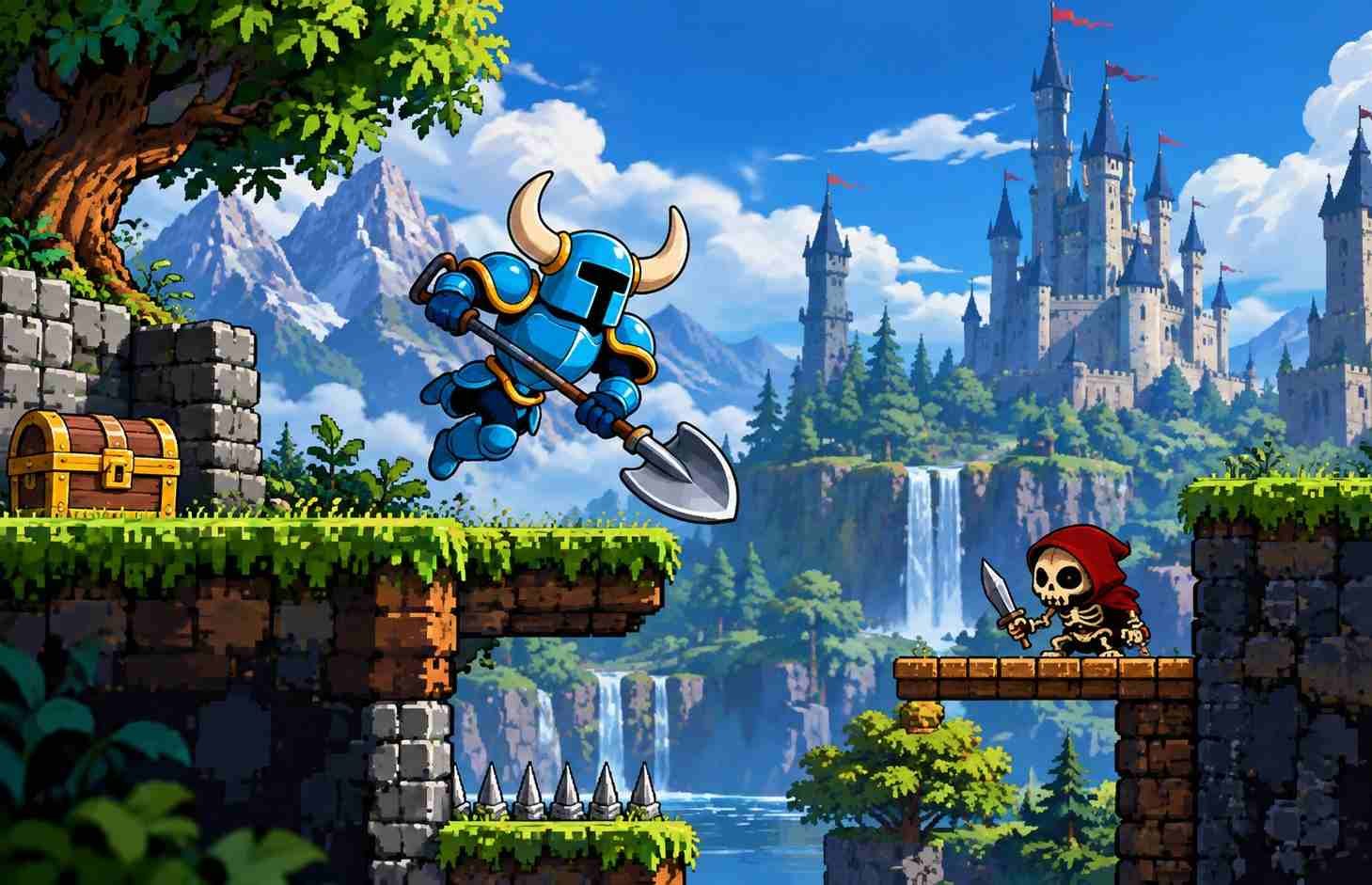
Shovel Knight recreates the excitement of vintage 8-bit action platformers with colorful levels, memorable bosses, and traditional side-scrolling mechanics.
Players control an armored knight who uses a shovel to defeat enemies, uncover secrets, and navigate challenging environments.
Its responsive controls and carefully designed stages remind me of classic NES adventures without feeling outdated.
If you enjoy nostalgic indie games with traditional platforming mechanics, Shovel Knight deserves attention.
Dead Cells: Best for Fast-Paced Roguelike Combat
Dead Cells uses fluid modern pixel art to create an energetic action roguelike experience.
Its responsive animations make sword attacks, dodging, and enemy encounters feel remarkably smooth.
Unlike traditional platformers, Dead Cells encourages repeated runs through changing environments. Players experiment with different weapons, develop combat strategies, and gradually improve their skills.
I recommend it to anyone who enjoys challenging gameplay where every unsuccessful attempt teaches something useful.
Sea of Stars: Best for Classic 16-Bit RPG Fans
Sea of Stars draws inspiration from classic 16-bit JRPGs while introducing detailed environments, dynamic lighting, and modern turn-based combat.
Players follow two Children of the Solstice through a fantasy adventure filled with mysterious locations, memorable characters, and strategic encounters.
Its combat system features timed attacks, character combinations, and opportunities to interrupt powerful enemy abilities.
What impresses me most is how changing light and shadows enhance its colorful pixel art environments.
For fans of classic role-playing adventures, Sea of Stars provides an engaging combination of nostalgic visuals and thoughtful party-based combat.
Hyper Light Drifter: Best for Atmospheric Exploration
Hyper Light Drifter transforms vibrant pixel art into a mysterious adventure filled with ruined civilizations and dangerous creatures.
Players explore interconnected environments, discover hidden secrets, and experience fast-paced combat.
Rather than relying on lengthy conversations, the game communicates much of its story through environmental details and visual storytelling.
I especially appreciate its atmospheric soundtrack and carefully chosen colors, which give the adventure a distinctive personality.
Undertale: Best for Emotional Retro RPG Storytelling
Undertale proves that simple graphics can support unforgettable storytelling.
Created by Toby Fox, this retro-style RPG introduces unusual characters, humorous dialogue, and choices that influence how encounters unfold.
Players can resolve many conflicts without defeating enemies, creating opportunities for different outcomes.
Its minimalist pixel art complements the writing and memorable soundtrack.
For players interested in pixel art games with great stories, Undertale remains a compelling choice.
CrossCode: Best for Detailed 16-Bit-Inspired Action RPG Gameplay
CrossCode blends colorful 16-bit-inspired environments with modern action combat and intricate puzzles.
Players control Lea while exploring a fictional online game world, solving environmental challenges, and uncovering an intriguing mystery.
Its detailed character sprites and science-fiction settings create a strong visual identity.
I recommend CrossCode to players who enjoy classic RPG exploration but prefer real-time combat over traditional turn-based encounters.
Animal Well: Best for Mysterious Pixel Art Exploration
Animal Well presents an atmospheric world where exploration and observation matter more than fighting enemies.
Players navigate interconnected environments, discover hidden pathways, and solve puzzles involving unusual creatures and objects.
Its sophisticated lighting and subtle animations give the pixelated environments surprising depth.
I find its mysterious atmosphere particularly appealing because discoveries feel earned rather than constantly explained.
What Is the Difference Between 8-Bit and 16-Bit Pixel Art?
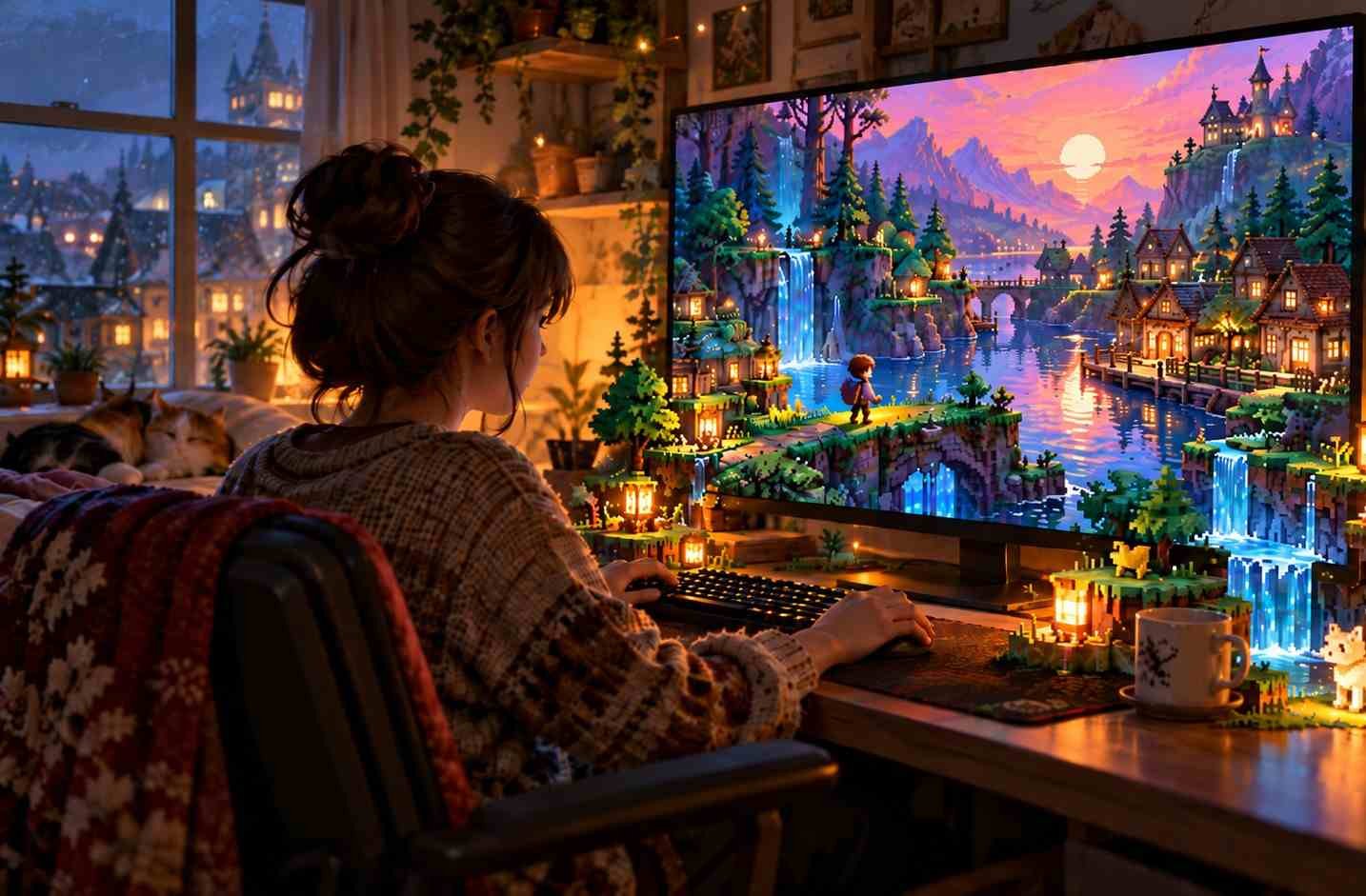
Classic 8-bit games typically used simpler sprites and more restricted color palettes because of hardware limitations. Shovel Knight deliberately recreates much of that familiar NES-era aesthetic.
The 16-bit era allowed richer colors and more elaborate environments. Games such as Stardew Valley, CrossCode, and Sea of Stars draw inspiration from that visual tradition.
Modern pixel art developers can go further by incorporating dynamic lighting, smoother animation, and contemporary visual effects without abandoning the retro appearance.
How Do You Choose the Best Retro-Style Indie Game?
I usually choose games based on gameplay preferences rather than graphics alone.
Stardew Valley suits players who enjoy relaxed progression and meaningful relationships. Celeste and Shovel Knight offer traditional platforming challenges, while Dead Cells delivers intense combat.
Sea of Stars and Undertale appeal to RPG enthusiasts, whereas Hyper Light Drifter, CrossCode, and Animal Well reward players who appreciate exploration.
Many of these titles are available through American PC and console storefronts. Before purchasing, check platform compatibility, accessibility features, and system requirements.
Frequently Asked Questions (FAQs)
1. What Are the Best Pixel Art Indie Games for Beginners?
Stardew Valley is an approachable option for beginners who enjoy farming and exploration. Undertale is another good choice for players interested in character-driven RPG adventures.
2. Why Do Developers Create Indie Games With Retro Pixel Art Graphics?
Developers use pixel art to create distinctive visuals, support creative storytelling, and capture classic gaming aesthetics. The style also provides artistic flexibility, although detailed animation still requires considerable work.
3. Are Retro Pixel Art Games Available on Modern Consoles?
Yes. Many modern pixel art indie games are available on Nintendo Switch, PlayStation, Xbox, and PC. Individual game availability depends on the platform.
4. Can Pixel Art Games Have Modern Gameplay Features?
Absolutely. Modern pixel art titles can include sophisticated combat, dynamic lighting, accessibility settings, online features, and detailed progression systems.
Final Thoughts: Why Retro Pixel Art Games Still Stand Out
I believe great indie games succeed because of their creativity, not the number of pixels on the screen.
From Stardew Valley’s comforting farming routines to Sea of Stars’ beautiful RPG environments and Dead Cells’ challenging combat, these games demonstrate how timeless visual styles can support modern experiences.
Whether you want nostalgic platforming, meaningful storytelling, imaginative exploration, or indie games with fishing mechanics, these retro-inspired adventures prove that small pixels can create unforgettable gaming memories.